Zipline Expands to Serve 100M Nigerians by 2028
Drone delivery company Zipline is building 12 new hubs across Nigeria to bring lifesaving medical supplies to 100 million people within four years. What started as a small pilot now aims to connect 20,000 health facilities in Africa's most populous nation.
A company that began delivering vaccines by drone to a few Nigerian communities in 2022 is now building the infrastructure to reach half the country's population with lifesaving medical supplies.
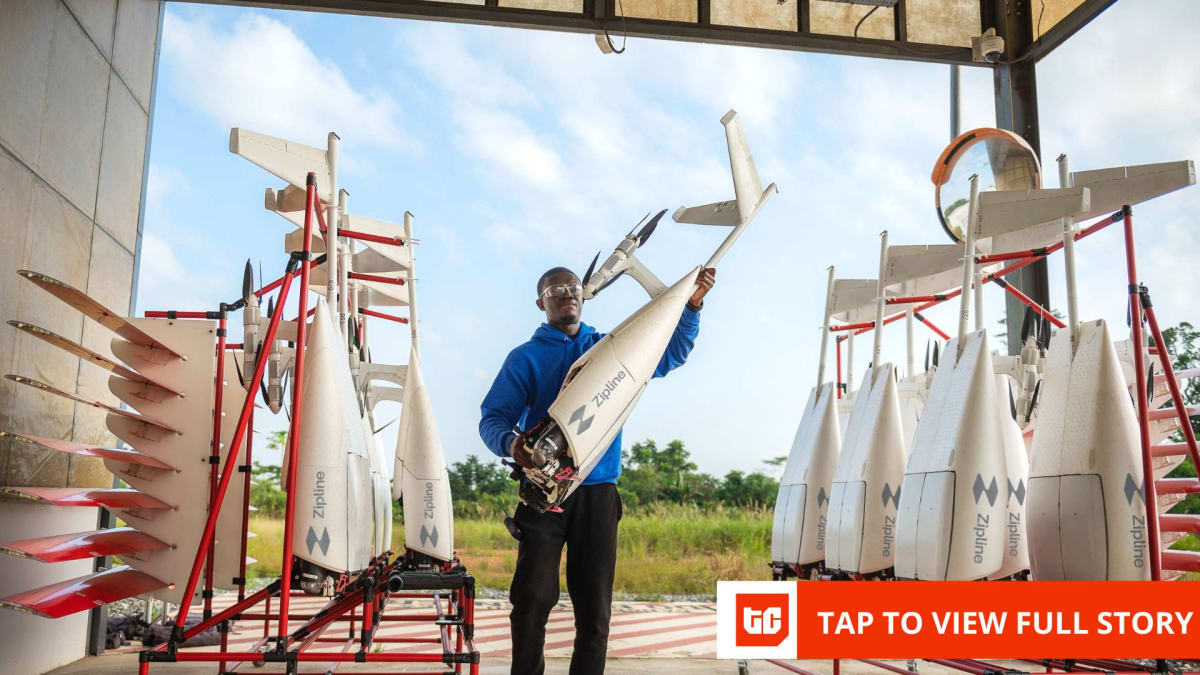
Zipline announced plans to expand from three distribution centers to 15 facilities across Nigeria by 2028. The autonomous drone company currently serves 1,300 health facilities and six million people in Kaduna, Cross River, and Bayelsa states.
Country Director Anthonio Pinheiro says the expansion will connect up to 20,000 health facilities and provide healthcare access to nearly 100 million Nigerians. The California-based company is shifting from state-by-state partnerships to a federal framework that makes Nigeria its largest African market.
The expansion tackles a problem that has plagued rural Nigeria for decades. More than half of rural health facilities run out of essential medicines within three months, forcing patients to travel hours only to find vaccines, blood supplies, or malaria medication unavailable.
Zipline's model eliminates the need for hospitals to maintain costly storage by managing supplies centrally and delivering within 30 to 45 minutes. When a clinic runs short on vaccines or needs emergency blood, the company's AI-powered system dispatches autonomous drones from solar-powered hubs.
The results are already showing impact. Vaccine stockouts in supported areas have fallen significantly, while maternal mortality rates in partnered facilities have dropped by more than 50% due to faster blood deliveries.
Pinheiro shared an example of a snakebite victim who received anti-venom within 47 minutes of an urgent hospital request. Without the rapid delivery to the remote location, the patient likely wouldn't have survived.
The Ripple Effect
The technology is proving that advanced healthcare logistics can work in challenging environments. Zipline operates its Nigerian facilities entirely on solar power with backup systems, bypassing the country's unreliable electricity grid.
The company is building more than a delivery service. It's creating AI and robotics infrastructure that reduces storage costs, cuts transportation expenses, and gives health officials real-time visibility into medical supply usage across vast distances.
While healthcare remains the focus, the infrastructure could eventually support agriculture, e-commerce, and broader logistics once the network matures. Partnership backing from Nigeria's Federal Ministry of Health and U.S. government grants is helping scale what began as an ambitious pilot into national infrastructure.
By 2028, when a rural clinic in Nigeria needs emergency supplies, help will arrive from the sky in under an hour.
Based on reporting by TechCabal
This story was written by BrightWire based on verified news reports.
Spread the positivity!
Share this good news with someone who needs it