Ziti-Sized Fish Scales 50-Foot Waterfall in Congo
Tiny shellear fish in the Democratic Republic of the Congo are climbing waterfalls taller than skyscrapers using microscopic hooks on their fins. Scientists just documented this extraordinary 10-hour vertical journey for the first time.
A fish the size of a pasta noodle just put human rock climbers to shame by scaling a 50-foot waterfall in the Congo River Basin.
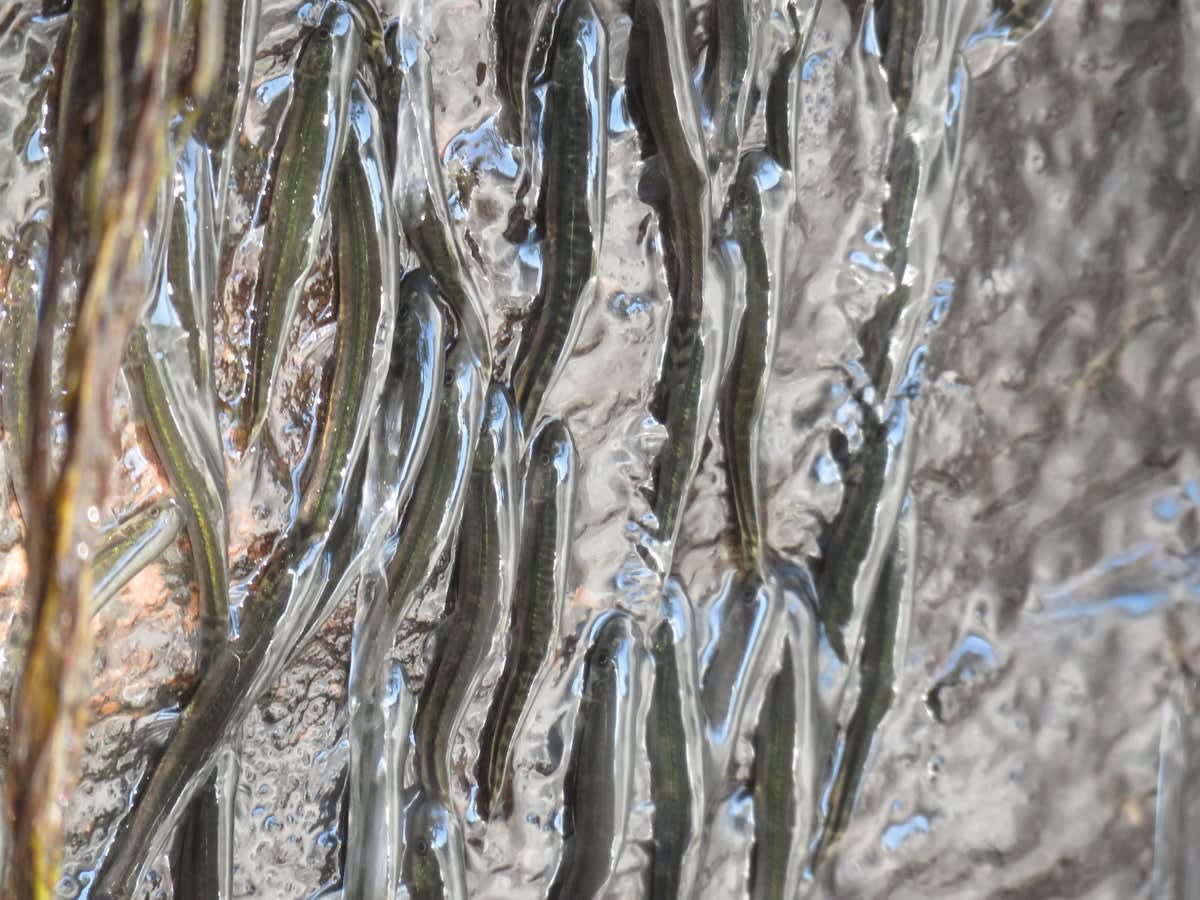
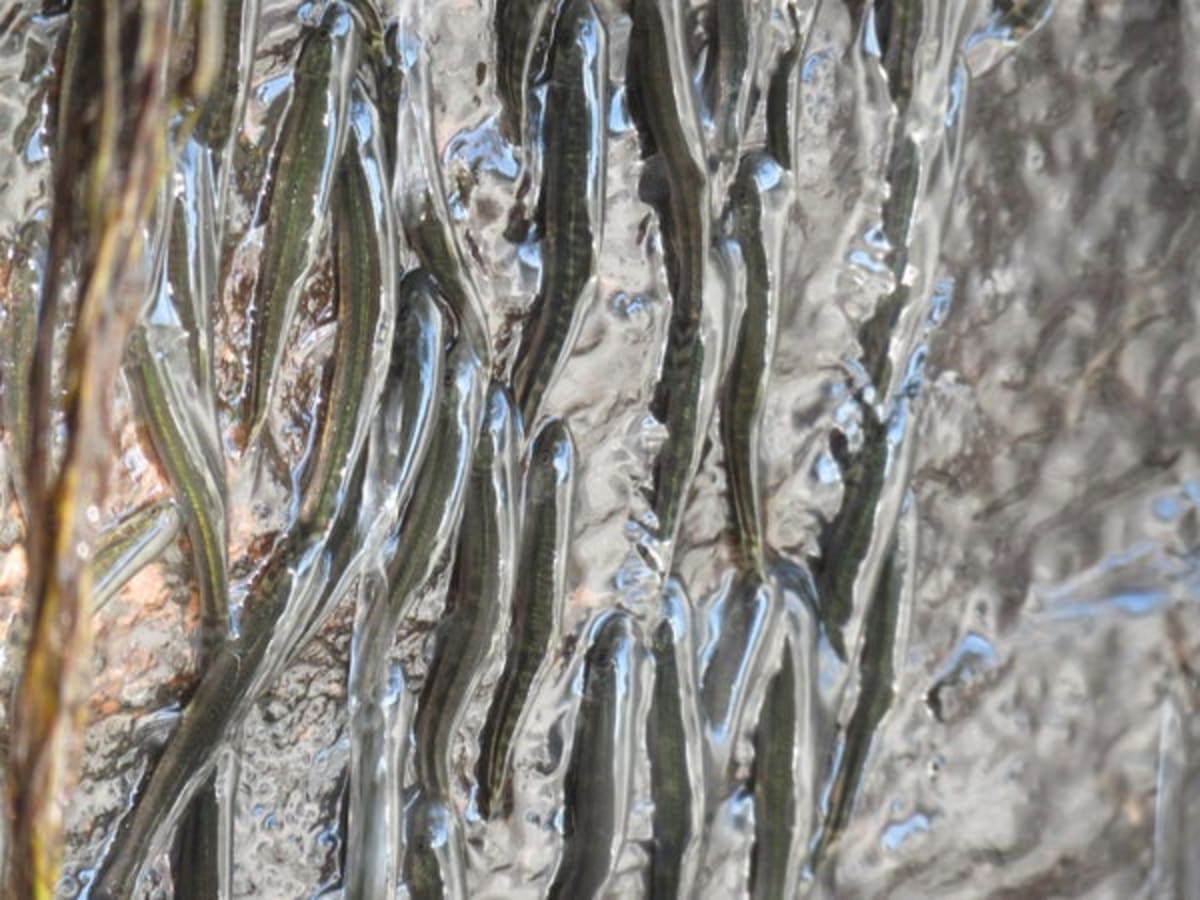
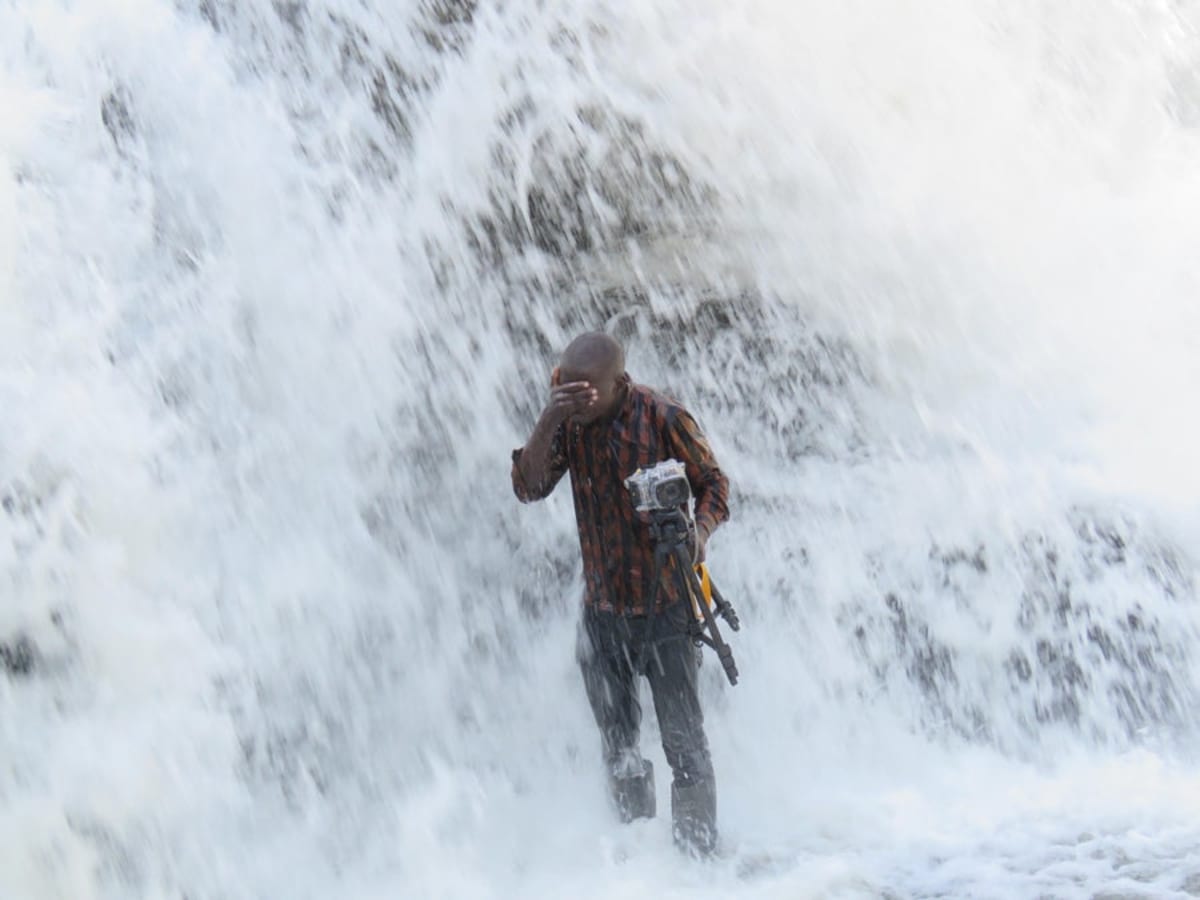
Scientists have documented the shellear fish making an incredible vertical migration up Luvilombo Falls for the first time. During major floods, thousands of these tiny swimmers gather at sunset to begin their upward journey through the splash zone on either side of the main waterfall.
The secret to their success? Microscopic hooks covering their fins that create friction against the sheer rock face. Kiwele Mutambala Pacifique, a PhD student at the University of Lubumbashi in the Democratic Republic of the Congo, calls these single-celled structures "petit crochet" or little hooks.
The fish press their fins flat against the rock and wiggle their tails to inch upward. "It's as if the fish is swimming but in vertical," Pacifique explains in the new study published in Scientific Reports.
The 50-foot climb is proportionally like a human scaling a building 50 percent taller than the 101-story Taipei skyscraper that made climber Alex Honnold famous. But unlike Honnold's famous free climb, the shellear take their time with plenty of rest breaks.
The whole journey takes about 10 hours, and most of that time is spent resting. The fish take quick breaks under a minute and longer hour-long rests whenever they find a ledge. Some fish fall and have to start the entire climb over again.
Why This Inspires
Scientists aren't certain what drives these tiny fish to attempt such a grueling climb. They might be escaping predators below, searching for food upstream, or looking for mates.
What makes this discovery particularly special is the friction technique itself. Adam Summers, a biologist at the University of Washington who studies unusual fish adaptations, calls it "fabulous." Other climbing fish like lumpsuckers use suction cups, but the shellear's friction hooks only work because of their tiny size. Larger individuals get left behind at the waterfall.
The researchers hope this remarkable discovery will inspire ecotourism focused on African wildlife beyond the famous "big five" game animals. "There are amazing things to see in little fish," says Emmanuel Vreven, an ichthyologist at the Royal Museum for Central Africa in Belgium who co-authored the study.
Sometimes the most extraordinary athletes come in the smallest packages.
More Images


Based on reporting by Scientific American
This story was written by BrightWire based on verified news reports.
Spread the positivity!
Share this good news with someone who needs it