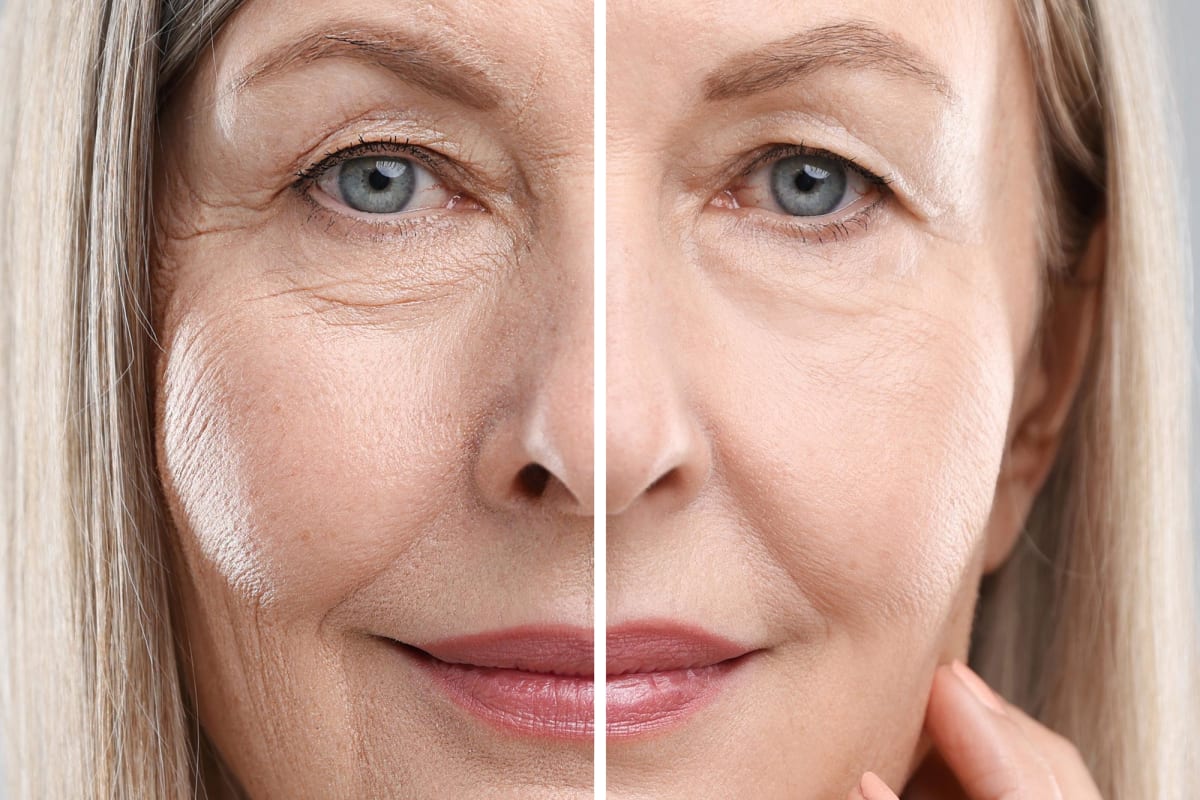
Zombie Cells" May Actually Help You Live Longer
Scientists discovered that aging "zombie cells" aren't all bad. Some may actually help repair tissues and keep your organs healthy.
The cells scientists once blamed for aging might actually be helping you stay healthy.
For years, researchers viewed senescent cells (nicknamed "zombie cells") as purely harmful. These cells stop dividing and were thought to just accumulate in your body, releasing inflammatory molecules that damage surrounding tissues and drive disease.
But a major new review published in Aging-US reveals these cells are far more complex than anyone realized. Scientists at West China Hospital discovered that while some zombie cells do contribute to chronic inflammation and disease, others play crucial roles in wound healing, tissue repair, and maintaining normal organ function.
The research team, led by Jian Deng and Dong Yang, examined how senescent cells behave across different organs including the liver, lungs, kidneys, heart, brain, and skin. What they found challenges everything scientists thought they knew about aging.
Senescent cells aren't a uniform group acting the same way everywhere. Some may prevent excessive scarring after injury or help tissues heal properly. Others promote inflammation, metabolic disorders, and even cancer progression.
This discovery is transforming how researchers approach anti-aging treatments. Early therapies focused on destroying all senescent cells using drugs like dasatinib and quercetin. Now scientists are developing precision approaches that target only the harmful cells while preserving the helpful ones.
Why This Inspires
This breakthrough represents a fundamental shift from viewing aging as something to fight against to understanding it as a process we can work with intelligently. The researchers introduced a concept called "precision geroprotection" that aims to identify and eliminate only disease-causing senescent cells.
Advanced technologies like single-cell analysis and spatial profiling are helping scientists map exactly which zombie cells help and which hurt. Future treatments might use engineered CAR-T cells to recognize and destroy only harmful senescent cells, or senomorphic drugs that reduce inflammatory signals without killing the cells themselves.
The challenge ahead involves developing highly specific biomarkers to distinguish good zombie cells from bad ones and safely delivering treatments to the right places without damaging important tissues. The researchers caution that removing all senescent cells could interfere with tissue repair, immune function, and organ stability, especially in sensitive areas like the heart and brain.
This more nuanced understanding offers genuine hope for healthier aging without the risks of blunt-force approaches that might do more harm than good.
More Images
Based on reporting by Google News - Scientists Discover
This story was written by BrightWire based on verified news reports.
Spread the positivity!
Share this good news with someone who needs it