
Webb Telescope Captures Window Into Early Universe
NASA's James Webb Space Telescope photographed a star nursery that mirrors conditions from billions of years ago. Scientists can now study how the first stars formed after the Big Bang.
Read the latest positive news, breakthroughs, and inspiring stories about james webb telescope, curated daily by BrightWire.
NASA's James Webb Space Telescope photographed a star nursery that mirrors conditions from billions of years ago. Scientists can now study how the first stars formed after the Big Bang.

Scientists just discovered that a comet from another star system looks remarkably like icy worlds in our own cosmic backyard. The finding suggests planet formation might work the same way across the galaxy.

The James Webb Space Telescope discovered the most distant ring galaxy ever found, glowing with newborn stars just 2.1 billion years after the Big Bang. The rare find offers scientists a window into how galaxies formed and collided in the early universe.

A scorching planet 280 light-years away defies expectations by maintaining a thick atmosphere that reflects 75% of starlight. Scientists believe clouds of minerals act like a protective shield while molten rock continuously feeds fresh gases into the air.

The James Webb Space Telescope spotted something lighting up twice in what appeared to be completely empty sky. Scientists have no idea what it is, and the possibilities are thrilling.

NASA's James Webb Space Telescope just revealed stunning new images of the Lion Nebula, a dying star creating cosmic fireworks 5,000 light years away. The images show a beautiful but temporary spectacle that will completely disappear in 10,000 years.

The James Webb Space Telescope just created the first weather map of a distant planet's atmosphere, revealing hot and cool zones shaped by powerful winds. This breakthrough proves we can study actual weather patterns on worlds beyond our solar system.
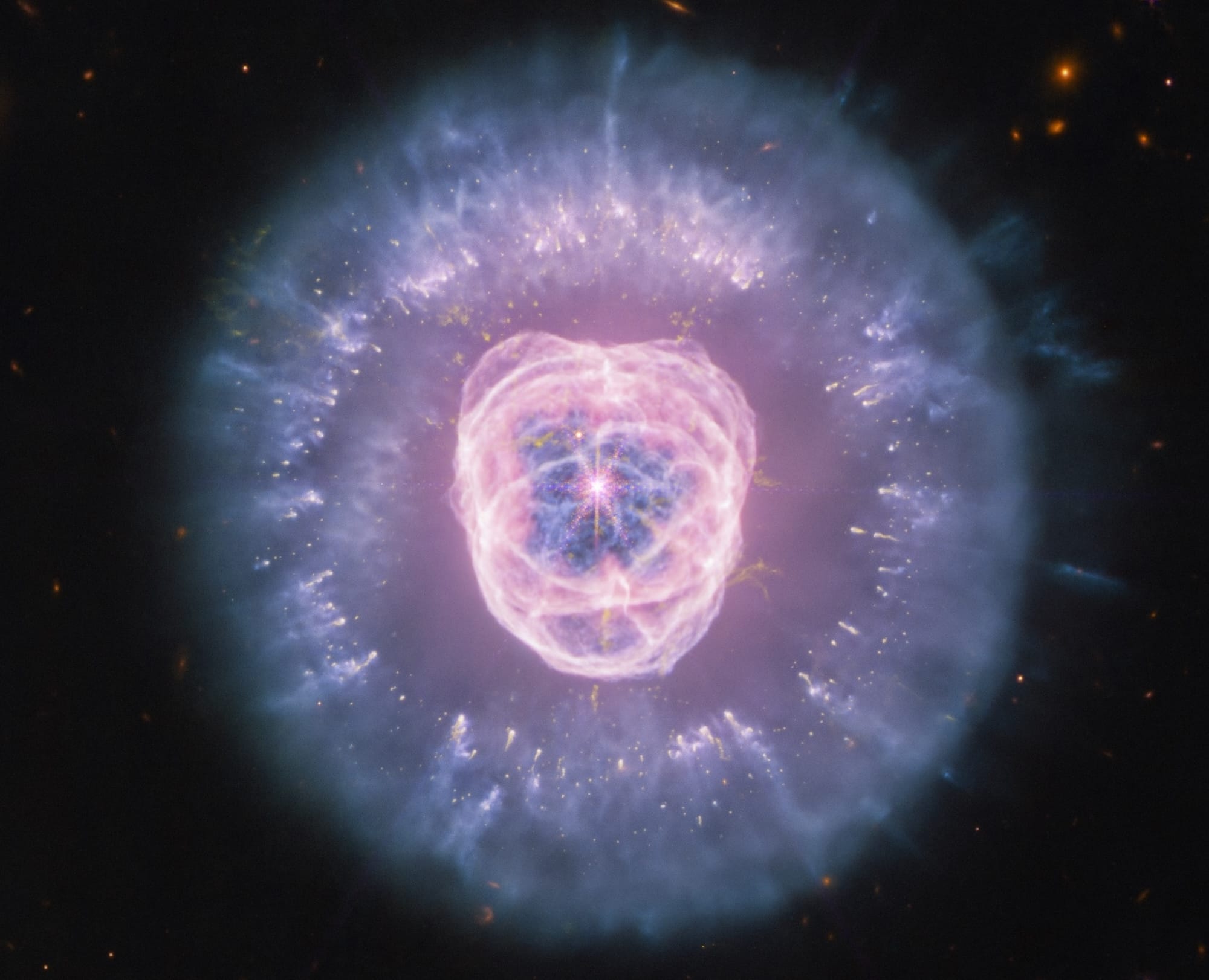
NASA's James Webb Space Telescope just revealed stunning images of the Lion Nebula, where a dying star has created what looks exactly like a cosmic lion staring back at us. The glowing "face" is actually a bubble of superheated gas being cooked by the star's intense radiation.
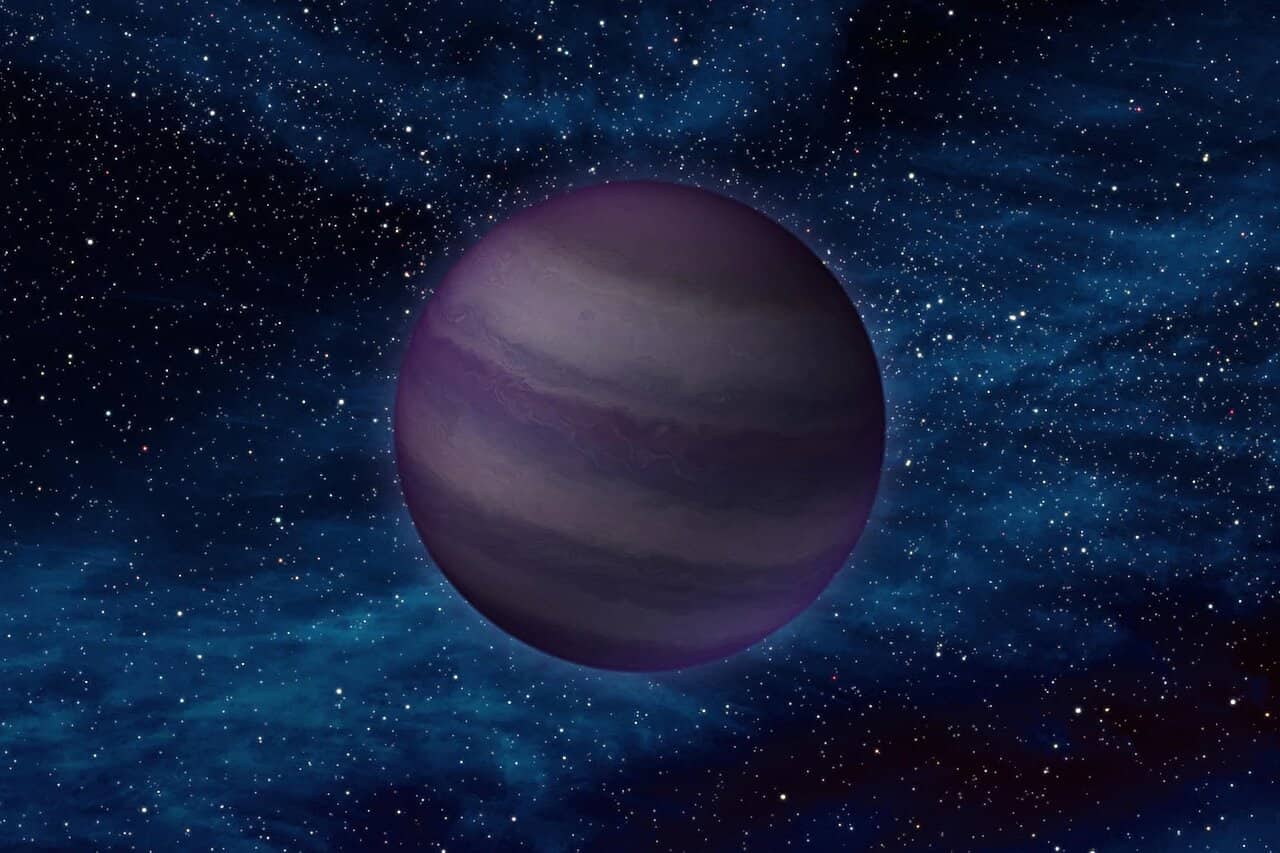
For the first time, astronomers watched water clouds grow and shrink beyond our solar system, tracking weather patterns on a nearby brown dwarf. The discovery opens new ways to understand distant worlds.

For the first time ever, astronomers have revealed the actual shape of a distant world beyond our solar system. The breakthrough shows that our predictions about faraway planets are right on target.

The James Webb Space Telescope was built to study ancient galaxies, but scientists say its greatest achievement isn't what it was designed to find. The discovery has reshaped how we understand our place in the cosmos.

Astronomers just detected the most distant fast radio burst ever recorded, traveling 11 billion years from a surprisingly tiny galaxy. The discovery is helping scientists map the invisible universe and solve one of space's biggest mysteries.