
Eli Lilly Opens Access to Obesity Drug Before Approval
Eli Lilly will now let more patients access its unapproved obesity drug retatrutide through a special program. The decision came after the company initially granted access to just one patient.
Read the latest positive news, breakthroughs, and inspiring stories about pharmaceutical access, curated daily by BrightWire.
Eli Lilly will now let more patients access its unapproved obesity drug retatrutide through a special program. The decision came after the company initially granted access to just one patient.

Merck just agreed to let seven companies make free generic versions of its experimental HIV prevention pill for low and middle-income countries. The pharmaceutical giant isn't waiting for approval, it's planning ahead so millions can access the once-a-month pill as soon as it's ready.
A twice-yearly injection that's nearly 100% effective at preventing HIV could transform global health. Doctors Without Borders is pushing to make it accessible worldwide for just $40 per person per year.
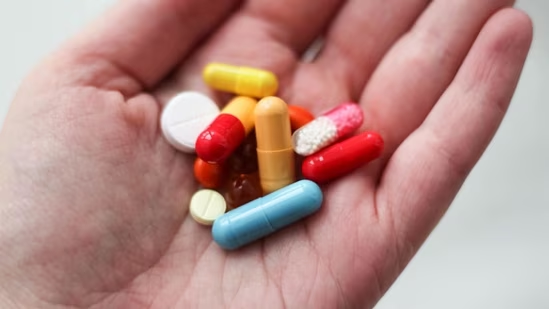
When pharmaceutical patents end, generic competition can slash prices overnight, making life-saving medicines affordable for millions. India's booming generic drug market shows how this shift is reshaping global healthcare access.

When Ghana's prison system faced a critical medicine shortage, a pharmaceutical company delivered essential supplies to help inmates and officers get the care they need. The move is sparking hope for more private sector support to close healthcare gaps.
Rwanda just secured a groundbreaking deal with Swiss pharmaceutical giant Sandoz to guarantee stable access to 60 essential medicines, including cancer treatments and antibiotics. The partnership could transform how African nations access affordable, quality healthcare.
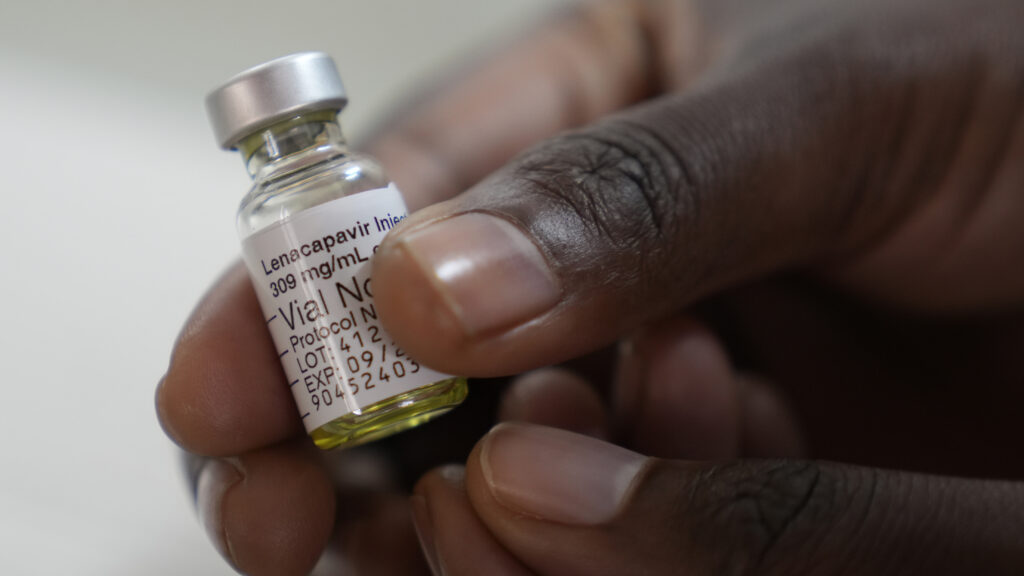
South Africa is partnering with Gilead Sciences to manufacture a revolutionary HIV prevention medicine that requires just two injections per year. The deal could bring affordable access to a drug that offers near-complete protection against HIV infection.
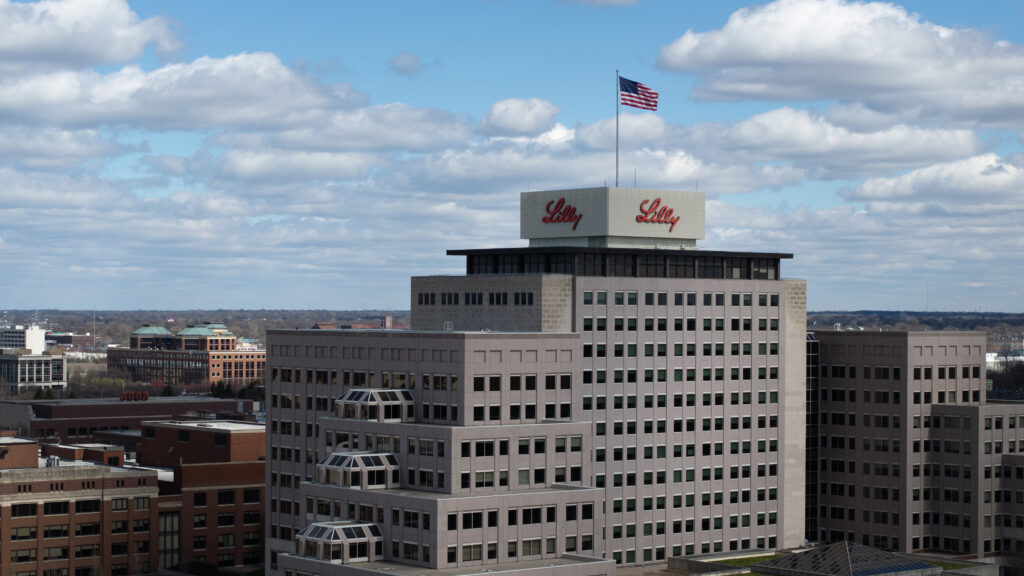
Eli Lilly just made its weight loss drug Zepbound more affordable for millions of workers by letting employers chip in on the cost. Instead of charging insurance prices, they're offering it at $449 a month with flexible employer subsidies.

Patient advocates from 30 countries are already calling on Merck to ensure its promising monthly HIV prevention pill reaches everyone who needs it. The treatment could revolutionize HIV prevention by replacing daily pills with a once-a-month option.
