66 Species Saved: Captive Breeding Brings Animals Back
Animals once down to their last dozen are now thriving in the wild again, thanks to captive breeding programs that have brought 66 species back from extinction's edge. From California condors to black-footed ferrets, conservationists are proving that recovery is possible when we act with purpose.
📺 Watch the full story above
When only 18 black-footed ferrets remained on Earth in 1981, extinction seemed inevitable. Today, over 300 of these weasels roam free across American prairies, one of dozens of comeback stories proving we can reverse even the direst wildlife declines.
The numbers tell a remarkable story of hope. Bald eagles grew from just 500 nesting pairs in the 1960s to more than 10,000 by the early 2000s after DDT pesticide bans and habitat protections took effect. California condors crashed to only 22 birds in 1987, but captive breeding programs have since released over 500 into the wild, with 300 now soaring free.
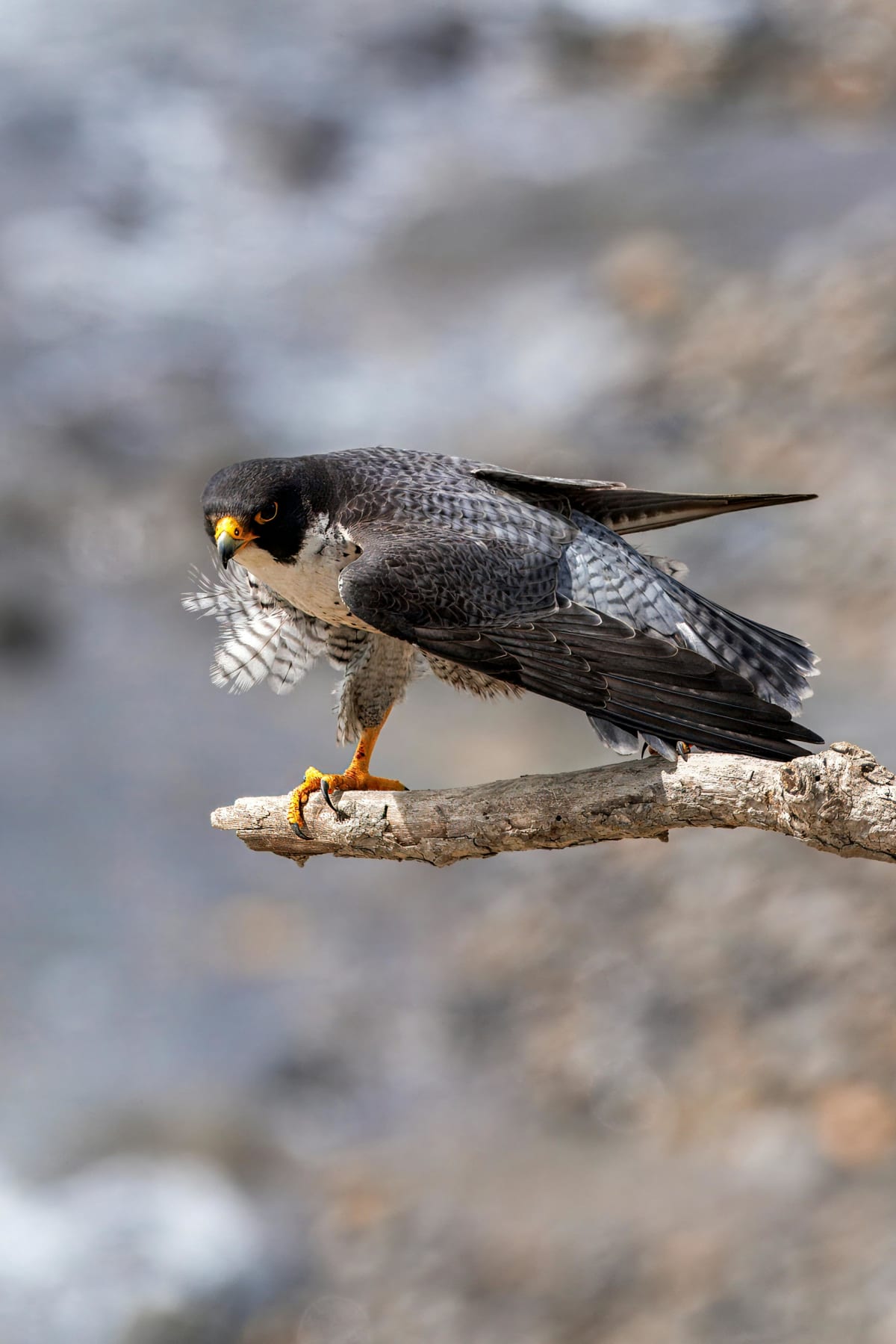
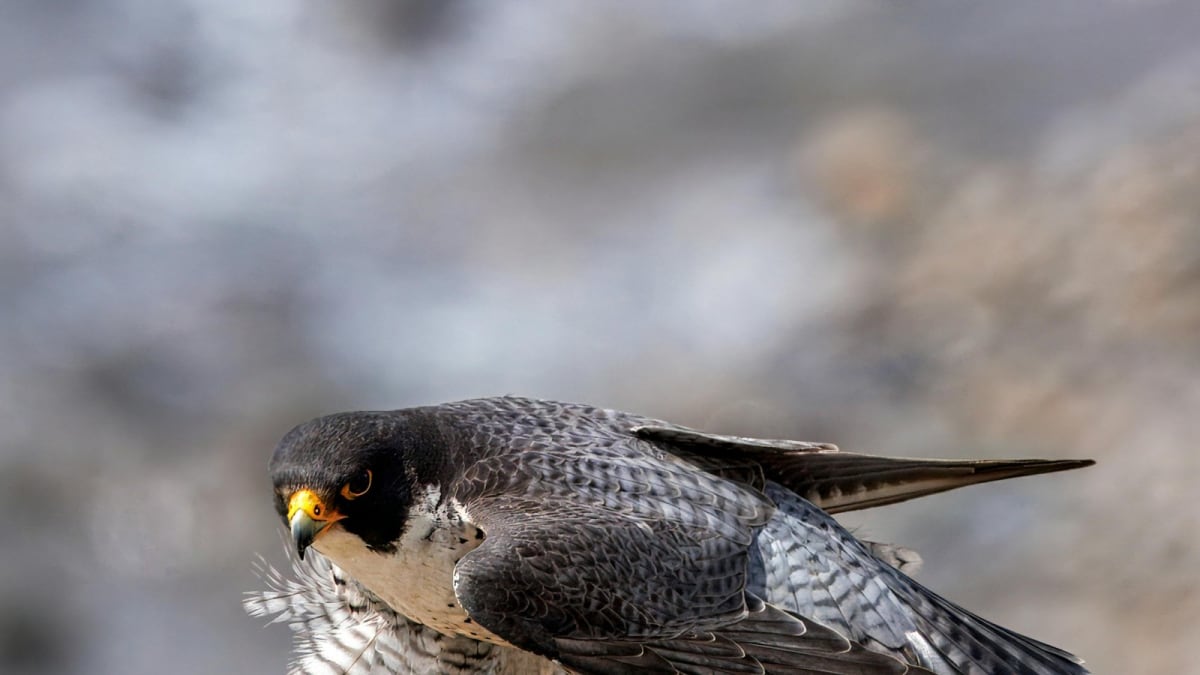
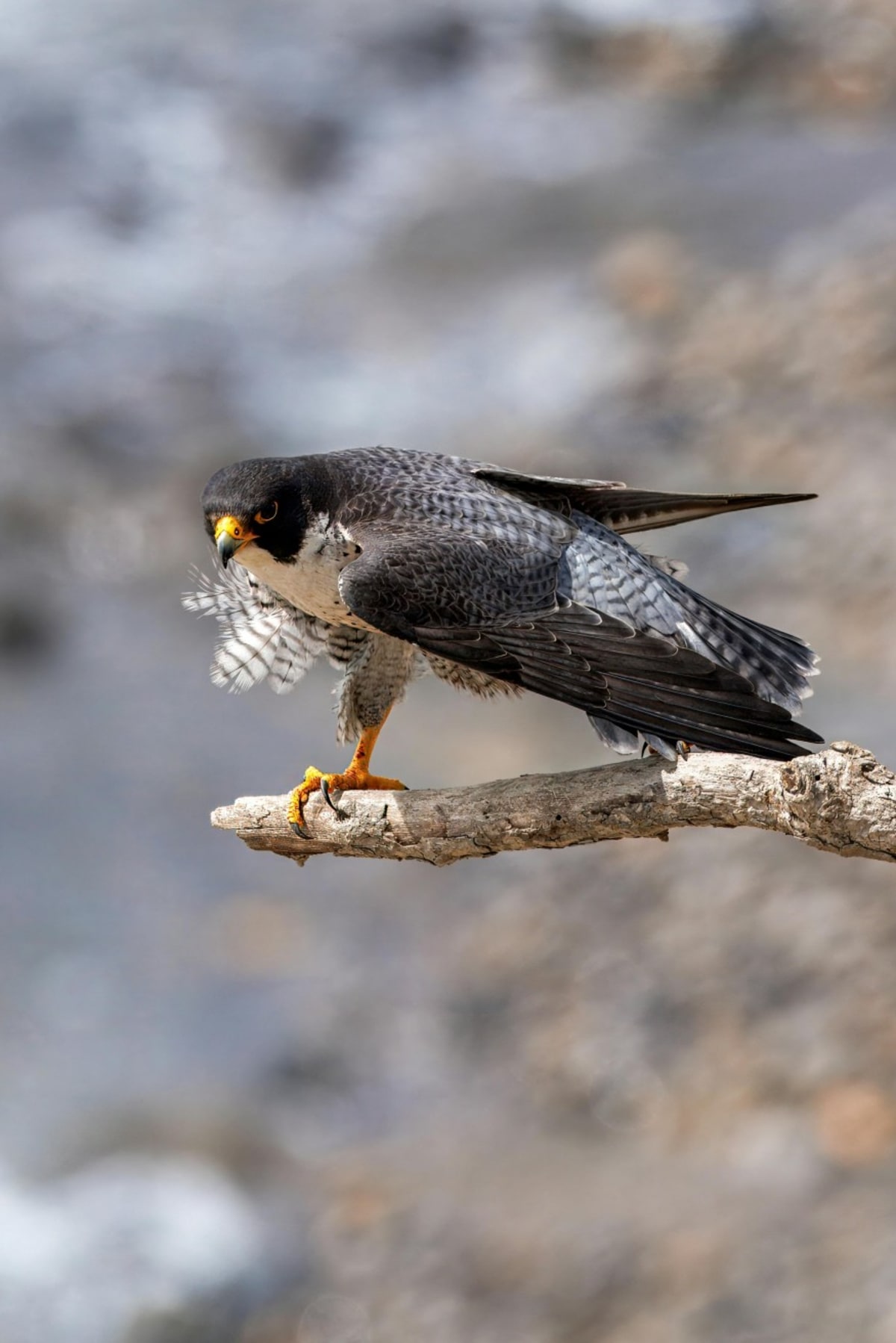
Peregrine falcons faced their own crisis when pesticides thinned their eggshells and populations plummeted by 90 percent. Recovery teams released 6,000 captive-bred birds starting in the 1970s, and by 1999 the species nested across North America again.
The strategy combines careful science with patience. Conservationists breed animals in protected facilities while prioritizing genetic diversity to keep populations healthy. They address root threats like pollution, poaching, and habitat loss before releasing offspring into restored environments.
Arabian oryx disappeared completely from the wild by 1972, surviving only in zoos. Captive breeding in the UAE brought them back, and now over 1,000 roam protected deserts with anti-poaching patrols keeping watch.
Habitat protection makes the difference between temporary wins and lasting recovery. New Zealand's kiwi birds rebounded 425 percent in areas where predator traps eliminated rats and stoats. Brown pelicans returned to U.S. coasts after wetland restoration multiplied their nesting sites, earning them removal from the endangered list in 2009.
Even marine life benefits from these approaches. Humpback whales increased their calf births after shipping routes changed to reduce strikes and fishing gear modifications prevented entanglement.
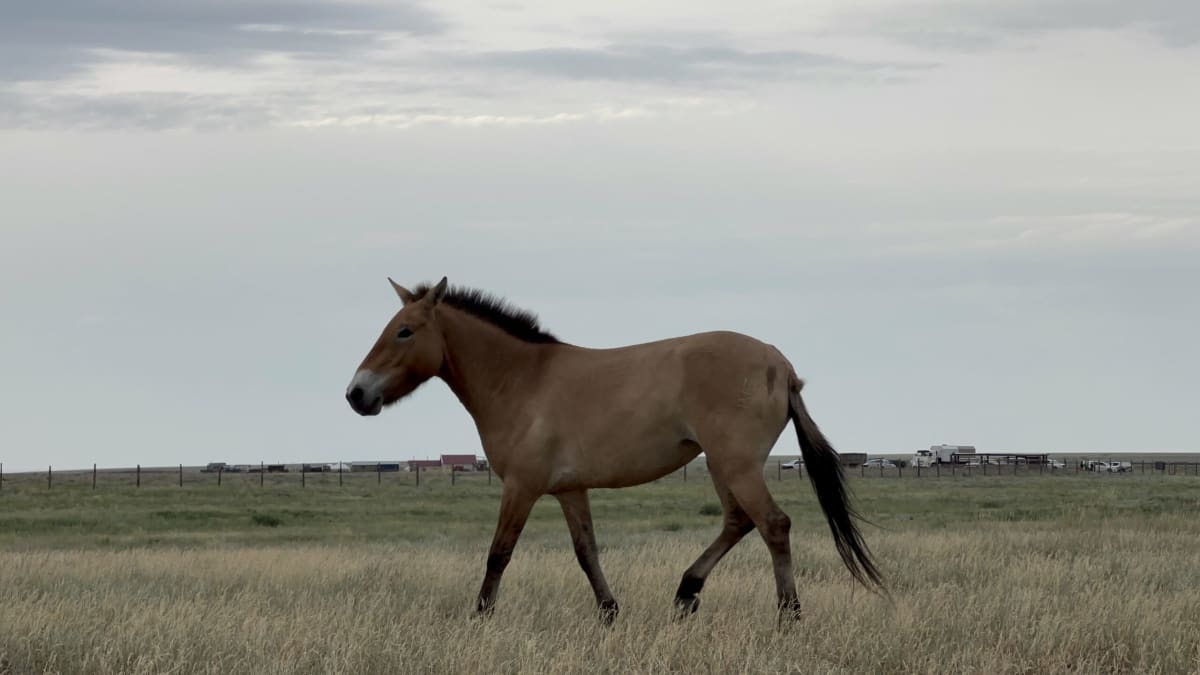
The programs follow a proven roadmap: assess threats, develop site-specific plans with local partners, implement breeding or protection measures, then monitor and adjust based on data. For Przewalski's horses, extinct in the wild by the 1960s, this meant reintroducing over 2,000 descendants to Mongolia with fenced reserves and reliable water sources.
The Ripple Effect
These recoveries create waves far beyond individual species. When bald eagles returned, they signaled healthier rivers and forests for entire ecosystems. Condor conservation led to lead ammunition bans that protect dozens of other scavenging birds and mammals from poisoning.
China's giant pandas illustrate how one species can anchor broader conservation. Their numbers climbed from 1,000 to over 1,800 through bamboo corridor creation, and those protected forests now shelter countless other plants and animals. Every ferret reintroduction helps restore prairie ecosystems where their presence controls rodent populations and provides food for larger predators.
Community involvement sustains these wins long term. Ranchers monitor ferret populations, fishers report whale sightings, and local groups maintain predator traps for kiwis. This shared stewardship turns wildlife recovery into a collective achievement.
Since 1973, the U.S. Fish and Wildlife Service has delisted 66 recovered species, proof that targeted action works when we commit to seeing it through.
More Images

Based on reporting by Google: species saved endangered
This story was written by BrightWire based on verified news reports.
Spread the positivity!
Share this good news with someone who needs it