Agatha Christie Novel Saves Dying Toddler in 1977
When doctors couldn't diagnose a critically ill 19-month-old girl, a nurse reading an Agatha Christie mystery recognized the symptoms and identified the poison killing her. The literary clue led to life-saving treatment and a full recovery.
📺 Watch the full story above
A nurse's bedtime reading saved a dying child's life in one of the most unexpected medical breakthroughs ever recorded.
In June 1977, doctors at London's Hammersmith Hospital faced a terrifying puzzle. A 19-month-old girl from Qatar was dying before their eyes, and no one could figure out why. Her blood pressure plummeted, breathing became labored, and her hair fell out in clumps.
Every test came back inconclusive. The medical team tried everything they knew, but the toddler's condition only worsened. Desperation settled over the hospital ward as time ran out.
Then nurse Marsha Maitland noticed something strange. She was reading Agatha Christie's 1961 novel "The Pale Horse" while caring for the girl. In the book, murder victims displayed one distinctive symptom: hair loss from thallium poisoning.
Maitland looked at her patient and saw the exact same sign. The next morning, she shared her theory with Dr. Victor Dubowitz, who later admitted the team was "in a state where almost any suggestion was welcome."
Thallium poisoning was so rare in Britain that the hospital couldn't even test for it. Dubowitz contacted Scotland Yard, who located a specialized lab and connected them with an imprisoned thallium expert who had detailed notes on the poison's effects.
The results shocked everyone. The little girl had ten times the lethal level of thallium in her system. Investigators traced the source to pesticides used for cockroach control in her family's Qatar home.
Armed with the correct diagnosis, doctors began targeted treatment immediately. Within three weeks, the child showed remarkable improvement. Four months later, she walked out of the hospital healthy and returned home with her parents.
Why This Inspires
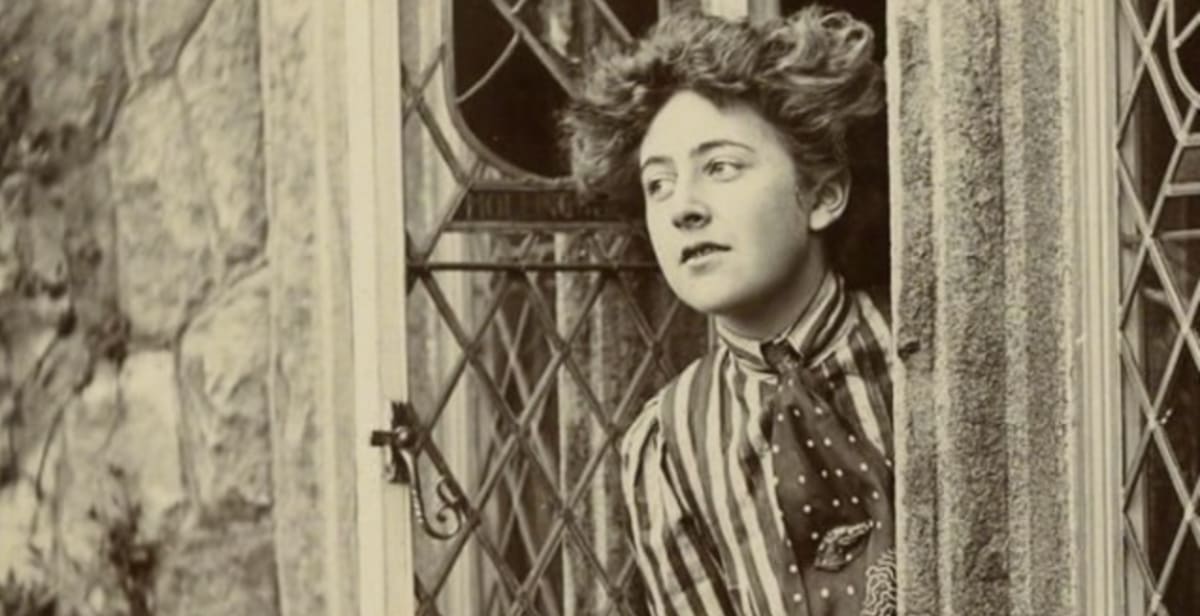
Christie's accuracy wasn't just creative genius. During World War I, she worked in a hospital dispensary, mixing precise medicinal formulations by hand. That experience gave her clinical knowledge of lethal compounds that most authors never acquire.
Decades after Christie wrote those pages, her meticulous attention to detail leaped off the page and into reality. A nurse who loved mysteries connected the dots that medical textbooks couldn't provide.
Sometimes the answers we desperately need come from the most unexpected places.
More Images



Based on reporting by Upworthy
This story was written by BrightWire based on verified news reports.
Spread the positivity!
Share this good news with someone who needs it