AI Evolves Self-Healing Robots That Survive Being Cut in Half
Northwestern University engineers created modular robots that reassemble themselves after damage and adapt to any terrain. These "legged metamachines" use AI-evolved designs to survive injuries that would destroy traditional robots.
📺 Watch the full story above
Robots that bounce back from being chopped in half sound like science fiction, but engineers at Northwestern University just made them real.
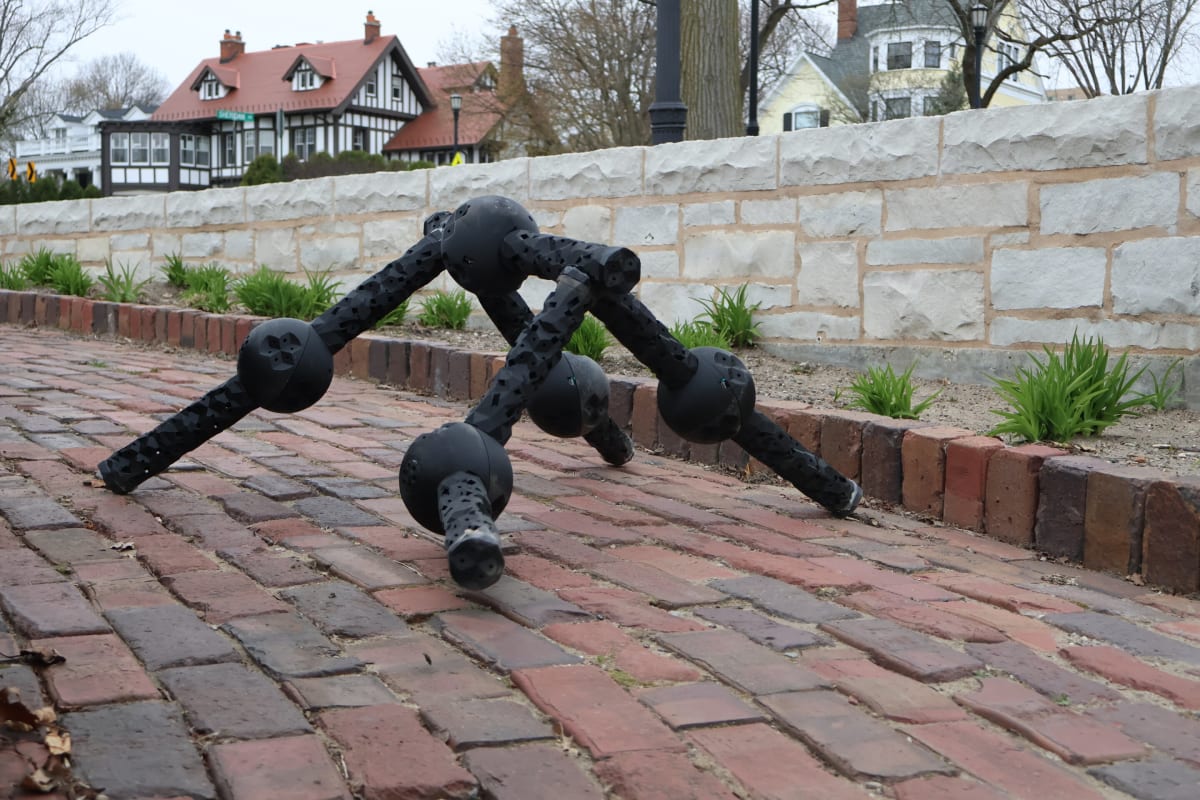
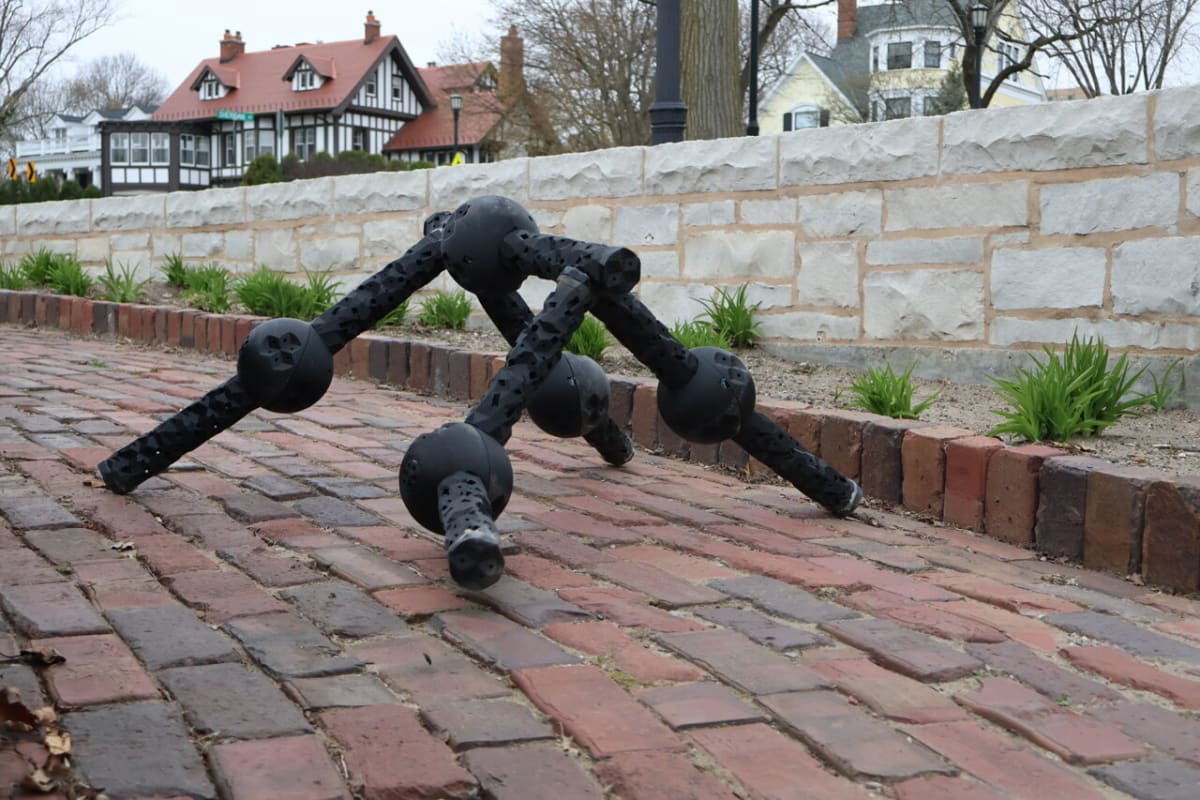
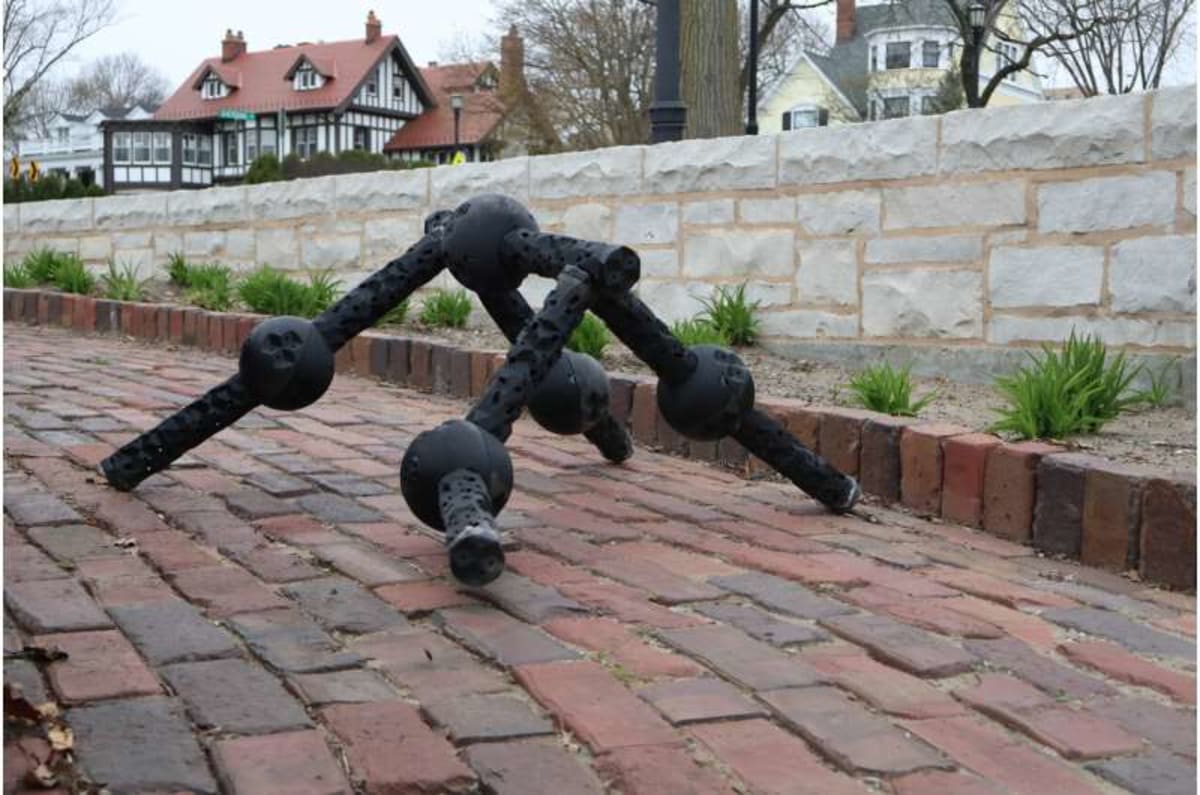
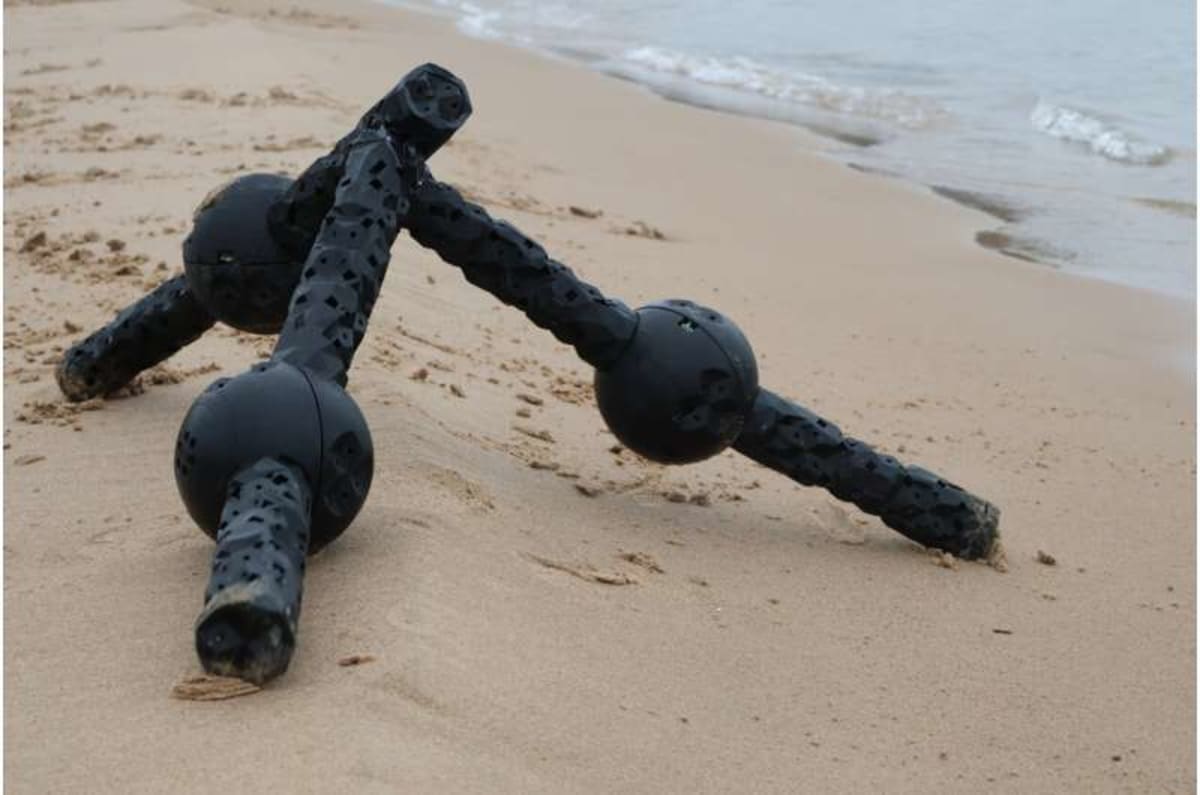
The team developed "legged metamachines" that snap together like Lego bricks and refuse to quit no matter what happens to them. Each building block is a complete robot with its own motor, battery and computer that can roll, turn and jump on its own.
The breakthrough comes from letting artificial intelligence design the robots instead of humans. Rather than copying dogs or people, the AI evolved entirely new "species" of machines through simulated natural selection. The result? Robots that undulate like seals, bound like lizards and spring like kangaroos.
"These are the first robots to set foot outdoors after evolving inside of a computer," said Sam Kriegman, the assistant professor who led the study published in the Proceedings of the National Academy of Sciences. The robots assembled quickly and immediately started moving across real-world terrain.
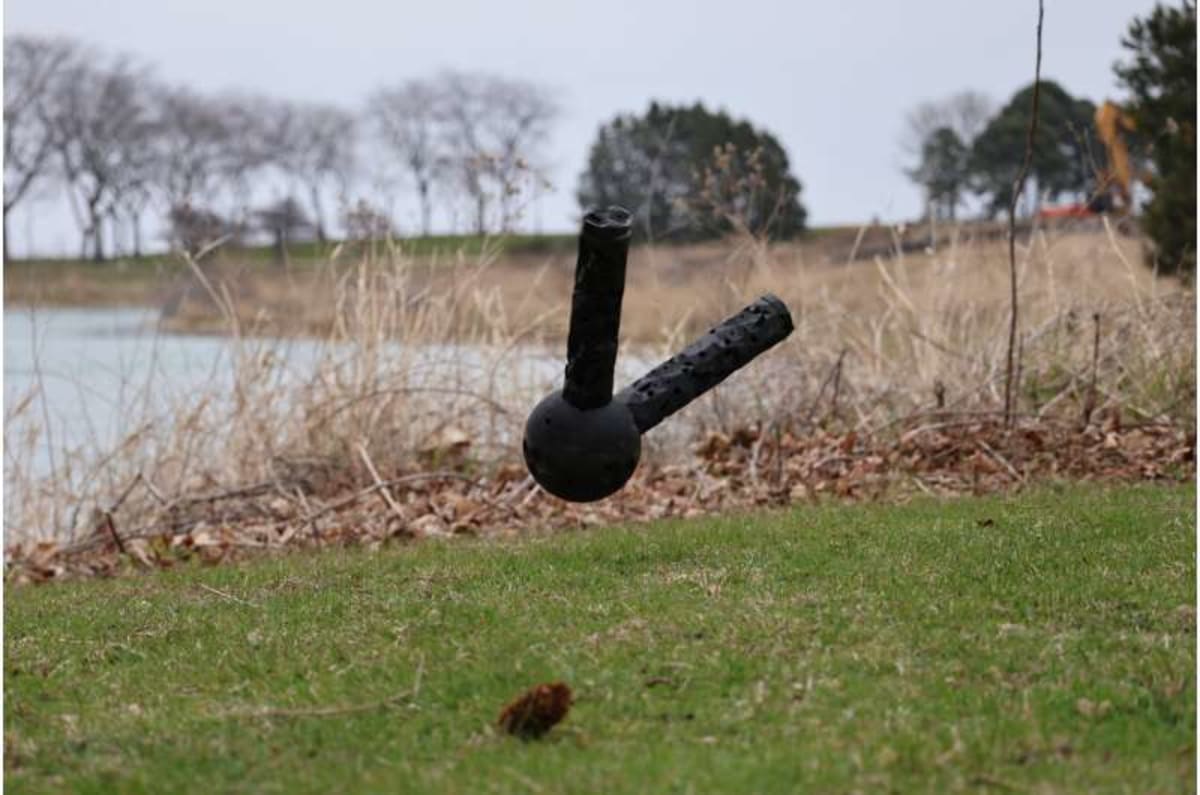
The machines tested their skills on gravel, grass, tree roots, sand and mud without missing a beat. When flipped upside down, they right themselves and keep going. When cut in half, both pieces continue moving and can rejoin the team.
This resilience solves a major problem with today's robots. Break a leg on a robotic dog and it becomes useless. These metamachines treat damage differently because they're essentially robots made of other robots.
The Ripple Effect
This technology opens doors for robots that work in disaster zones, explore remote planets or assist in dangerous environments where repairs aren't possible. Instead of bringing fragile machines that need constant maintenance, rescue teams could deploy adaptable robots that keep working through damage.
The modular design means robots can reconfigure themselves for different tasks on the fly. Need to cross rough terrain? Snap into a lizard shape. Need to squeeze through tight spaces? Break apart and reassemble on the other side.
Traditional robots follow rigid designs that limit their usefulness. These evolved machines point toward a future where robots act less like pre-programmed tools and more like resilient organisms that adapt to whatever challenges they face.
The research team gave their AI one simple goal: design robots with efficient, versatile movement. The algorithm mixed and matched modules in different combinations, tested each design in simulation, kept the winners and discarded the rest. Evolution that took nature millions of years happened in days inside a computer.
When separated, every module becomes an independent agent that can operate alone or seek out teammates. This cooperative intelligence means the robots never truly fail. They just adapt.
The future of robotics isn't about building tougher machines but about creating systems that embrace damage as part of the design.
More Images
Based on reporting by Phys.org - Technology
This story was written by BrightWire based on verified news reports.
Spread the positivity!
Share this good news with someone who needs it