AI Robot Learns to Use 9,000 Different Hands and Tools
A new AI system can control robots with thousands of different hands and tools, switching between them mid-task like a skilled craftsperson picking the right tool for the job. This breakthrough could help robots adapt to countless real-world situations.
📺 Watch the full story above
Imagine a robot that can swap between using a whisk, a screwdriver, and tongs without missing a beat. That's exactly what Generalist's new AI model, GEN-1, can do.
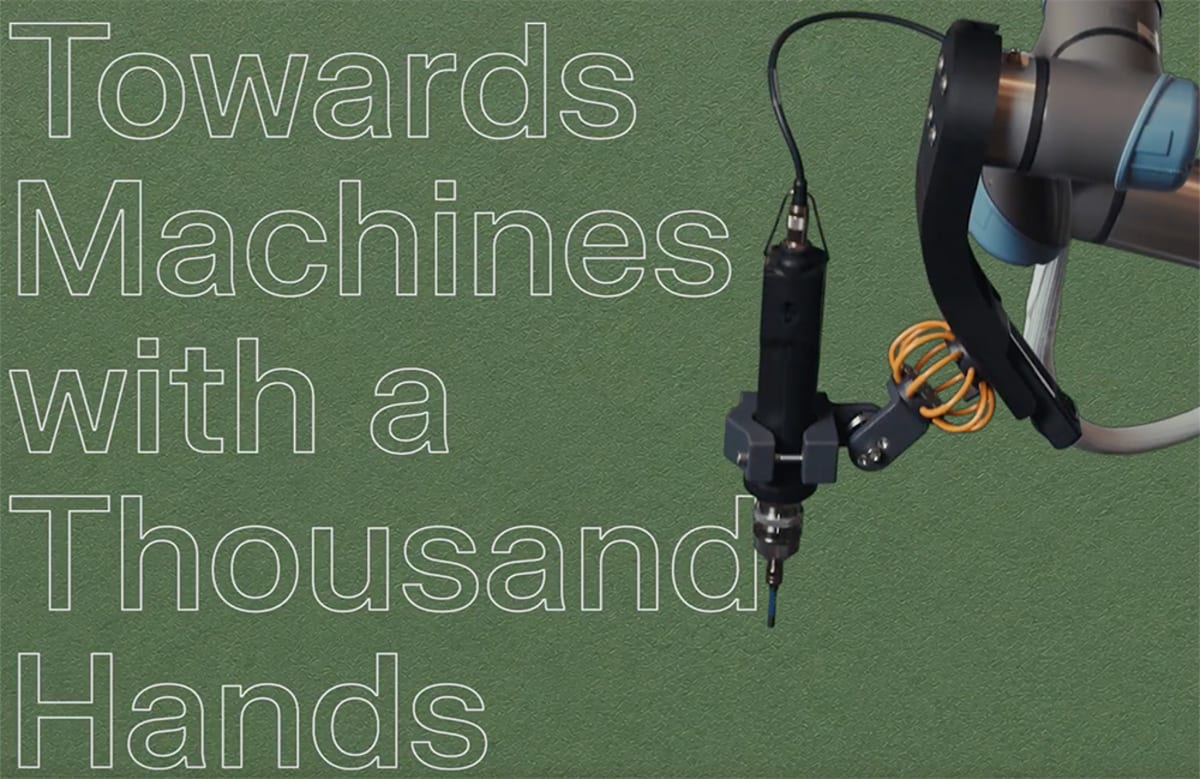
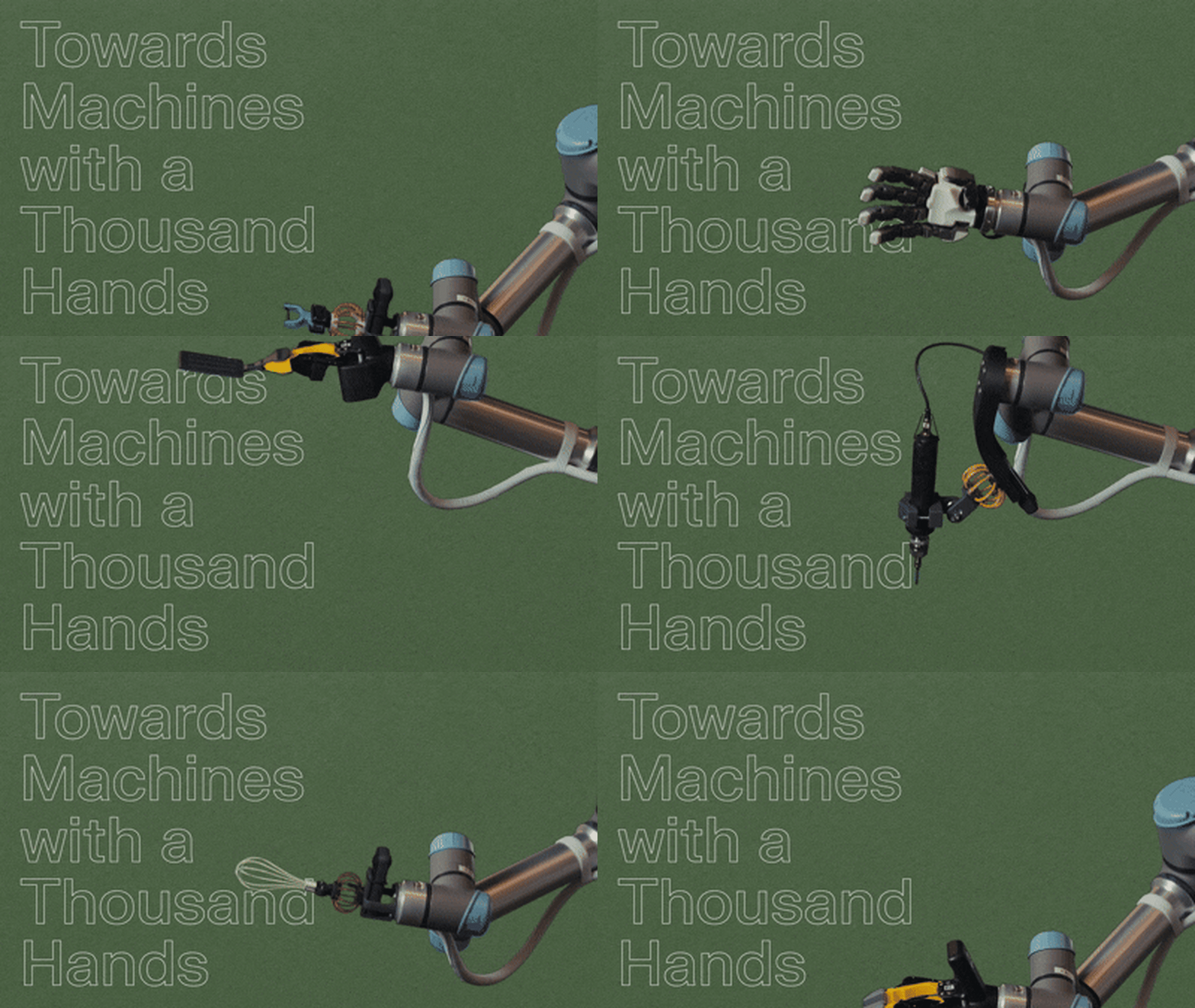
The company trained their AI on over half a million hours of real robot interactions using 9,000 different end effectors. These range from five-fingered hands to power screwdrivers, tape dispensers, spatulas, box cutters, and even vegetable peelers.
Here's the remarkable part: GEN-1 doesn't just memorize how to use each tool separately. It learns universal physical skills that transfer between different hands, understanding friction, force, and contact the way humans naturally do.
The system knows that power screwdrivers rotate faster than fingers can turn. It understands that tongs have spring-force dynamics requiring a different approach. Metal spatulas work against surfaces rather than around objects, demanding different contact strategies entirely.
The researchers compare it to learning multiple languages. Just as multilingual people understand concepts that transfer between languages, GEN-1 grasps physical principles that apply across different tools and hands.
In one stunning demonstration, scientists physically swapped the robot's hand mid-task. The AI immediately recognized the new tool, adjusted its strategy on the fly, and completed the same goal using a completely different approach.
Why This Inspires
This technology represents a fundamental shift in how robots learn. Instead of programming robots for specific tasks with specific tools, we're teaching them adaptable physical intelligence.
The implications stretch far beyond research labs. Robots that can flexibly use different tools could assist in warehouses, help with household tasks, or support people with mobility challenges. They wouldn't need reprogramming every time they picked up a different object.
Generalist is carefully studying which tools provide the most learning value. They've discovered that whisks, with their thin wire geometry, teach the AI more about visual perception than peelers do. These insights help them expand their training dataset strategically, focusing on tools that maximize learning.
The team isn't claiming every tool helps equally. Some provide little new information, and certain grippers carry more real-world importance than others. But by deliberately expanding their dataset and testing on real benchmarks, they're building AI that genuinely understands physical interaction.
The future they're building looks like robots that think about tools the way we do: choosing the right one for the right job, adapting when circumstances change, and learning from each new experience.
More Images



Based on reporting by The Robot Report
This story was written by BrightWire based on verified news reports.
Spread the positivity!
Share this good news with someone who needs it