AI Tractors Help Aging Farmers Keep Food Growing
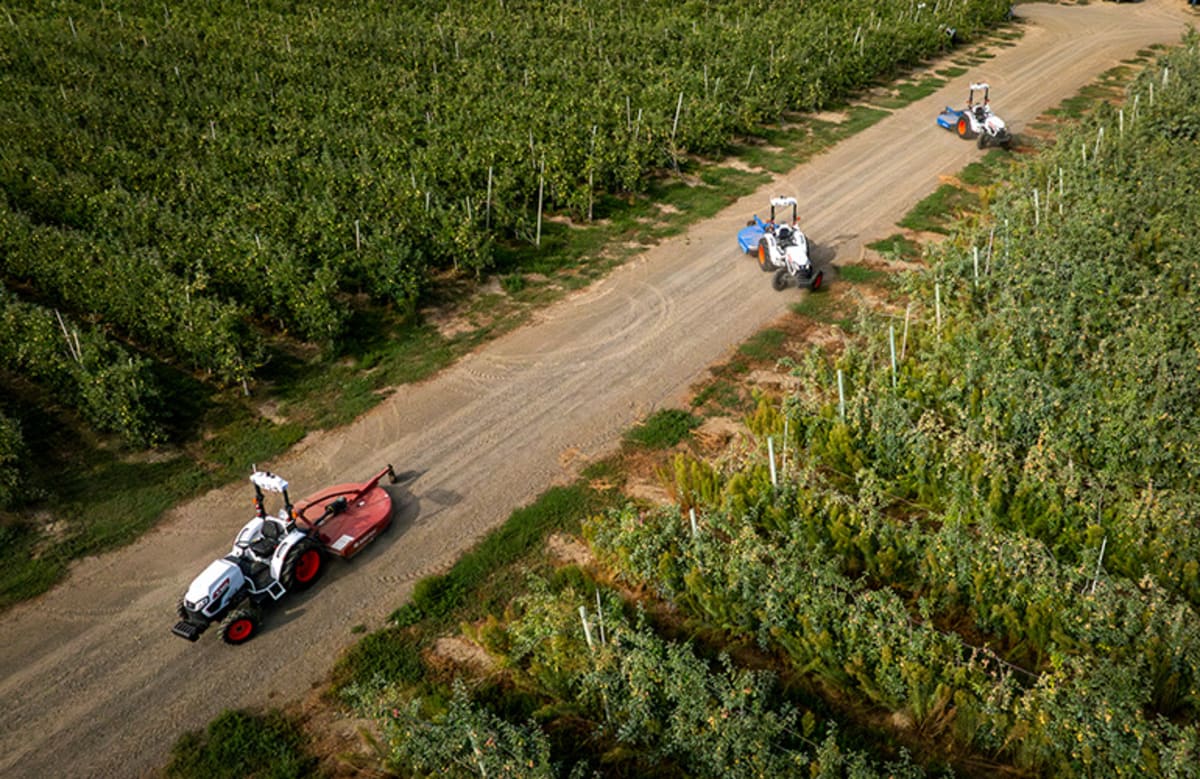
As skilled farm operators retire faster than they can be replaced, AI-powered tractors are learning to work vineyards and orchards on their own. Major equipment makers are racing to add intelligent "brains" to proven machines, solving agriculture's labor crisis without waiting for humanoid robots.
📺 Watch the full story above
The average American farmer is nearly 60 years old, and more than 40% are over 65. When they retire, there aren't enough skilled operators to replace them, putting our food supply at risk.
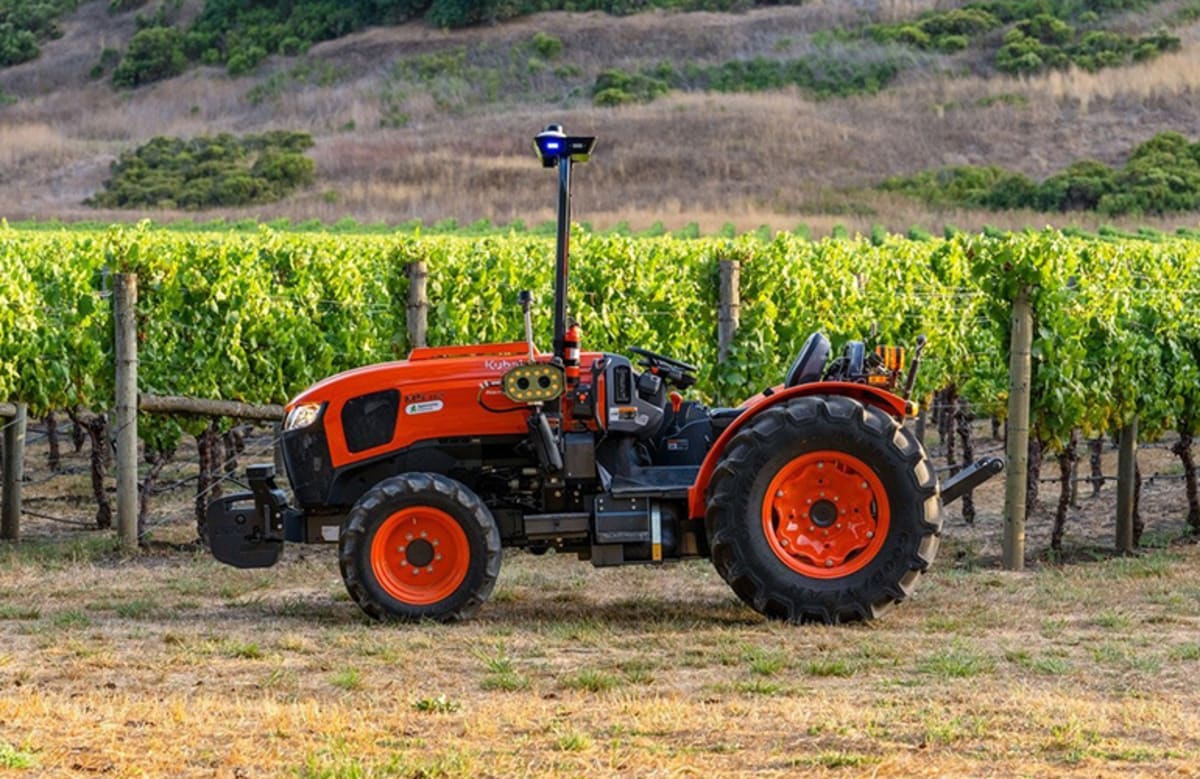
But help is arriving in an unexpected form: AI that lives inside the tractors and equipment farmers already trust. Companies like Kubota are embedding intelligent perception systems directly into heavy machinery, letting one operator supervise multiple machines working simultaneously across fields.
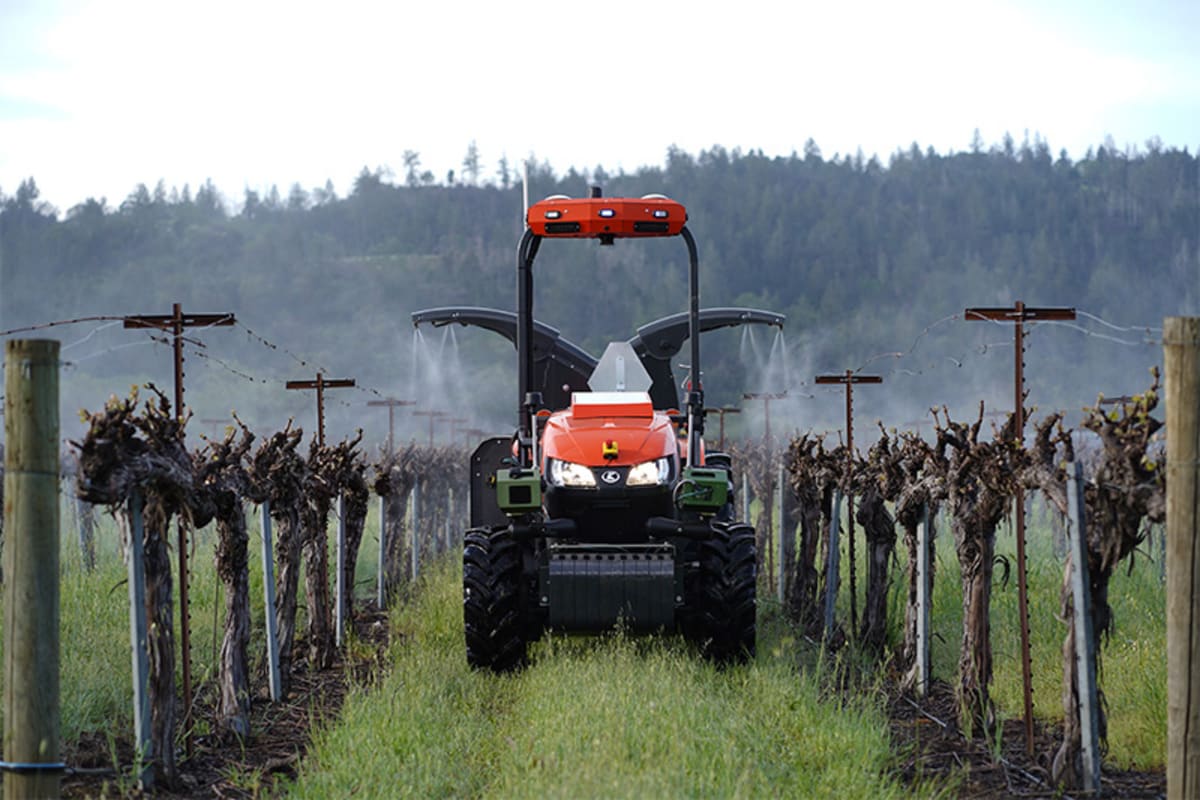
These aren't simple GPS-guided tractors. In vineyards and orchards, machines must navigate inches from valuable plants, thread through trellises, avoid irrigation lines, and work on slopes where satellite signals fail. The AI uses onboard sensors to see the environment in real time and make split-second decisions at the edge, just like a skilled human operator would.
The technology solves farming's most urgent problem without reinventing the wheel. Equipment manufacturers are adding perception systems, edge computing, and autonomy software to the same reliable tractors, sprayers, and mowers that have worked for decades. The iron stays the same; only the brain gets smarter.
Construction faces identical pressures. The industry needs hundreds of thousands of new skilled workers in 2025 just to replace retirees, not to handle growth. AI-enabled equipment helps small crews accomplish more with the experienced workers they still have.
One operator using AI-assisted machines can now do work that previously required a full team. Training time drops from weeks to hours because the machines handle the hardest perception and decision-making tasks. Safety improves because the AI never gets tired and monitors blind spots from every angle.
The Ripple Effect
This isn't just about saving individual farms. When equipment manufacturers build AI into their standard product lines, they transform autonomy from an expensive experiment into accessible infrastructure. Established companies already have dealer networks, financing programs, and service teams that reach every rural community.
That means even small farms and contractors can access technology that keeps them competitive. The same vineyard owner struggling to find seasonal workers can now maintain consistent spraying and mowing schedules. Construction companies can take on projects they'd otherwise refuse because of labor shortages.
Physical AI isn't replacing farmers and builders. It's giving them the tools to stay in business while the workforce transforms around them. Every AI-equipped machine that rolls off the production line doesn't just join the fleet; it joins the workforce.
The future of food production won't wait for humanoid robots to learn farming from scratch. It's already growing in fields where smart machines and experienced farmers work side by side, keeping crops healthy and communities fed.
More Images


Based on reporting by The Robot Report
This story was written by BrightWire based on verified news reports.
Spread the positivity!
Share this good news with someone who needs it