Amur Leopards Double From Near-Extinction in Conservation Win
Once down to just 30 individuals, Amur leopards have rebounded to 130 thanks to protected wildlife corridors. Five other species show similar recovery signs as targeted conservation efforts prove successful worldwide.
📺 Watch the full story above
Conservationists are celebrating remarkable comebacks for some of Earth's rarest animals, proving that focused protection efforts can reverse even the steepest population declines.
The Amur leopard, which teetered on the brink with barely 30 individuals in the early 2000s, now boasts roughly 130 leopards prowling Russia's Far East and China. Protected corridors linking their habitats have boosted genetic diversity and given the species breathing room to recover.
New Zealand's quirky kakapo parrot tells an even brighter story. After intensive predator eradication on island sanctuaries, the flightless nocturnal birds have climbed to 236 individuals. Recent breeding seasons are yielding record numbers of fledglings, marking one of conservation's most impressive turnarounds.
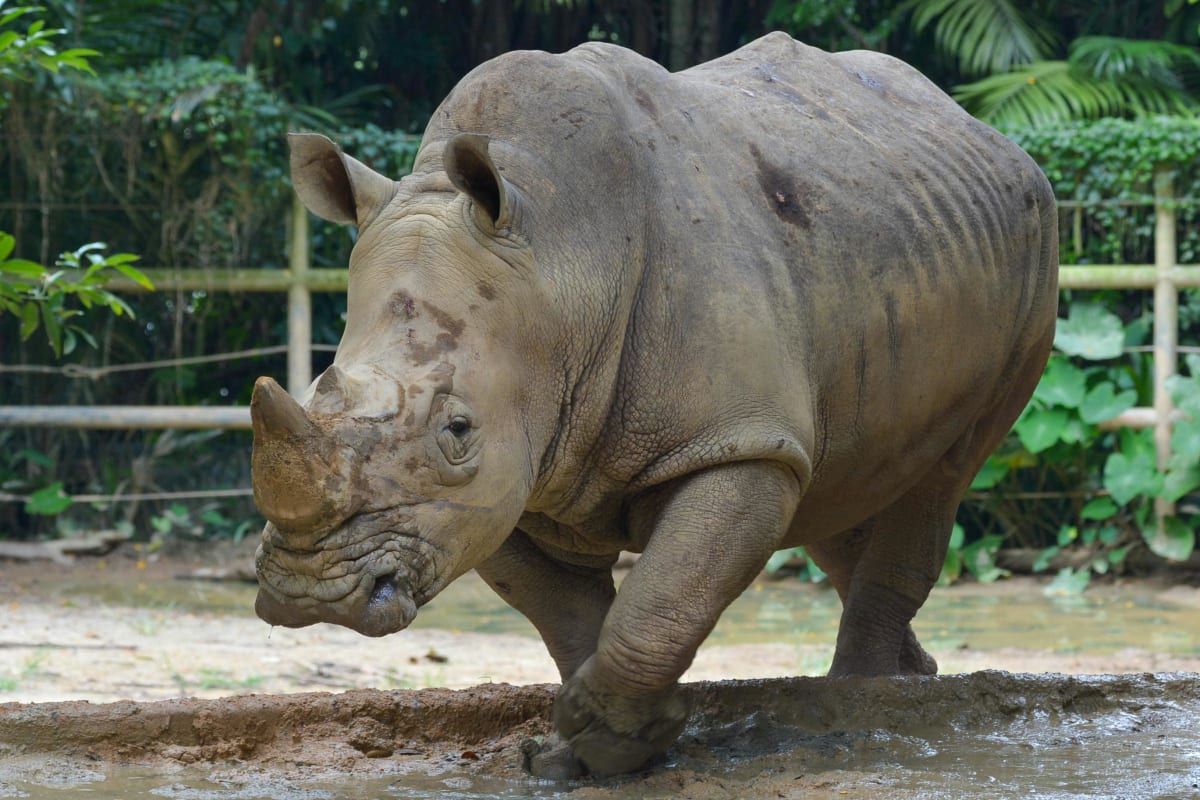
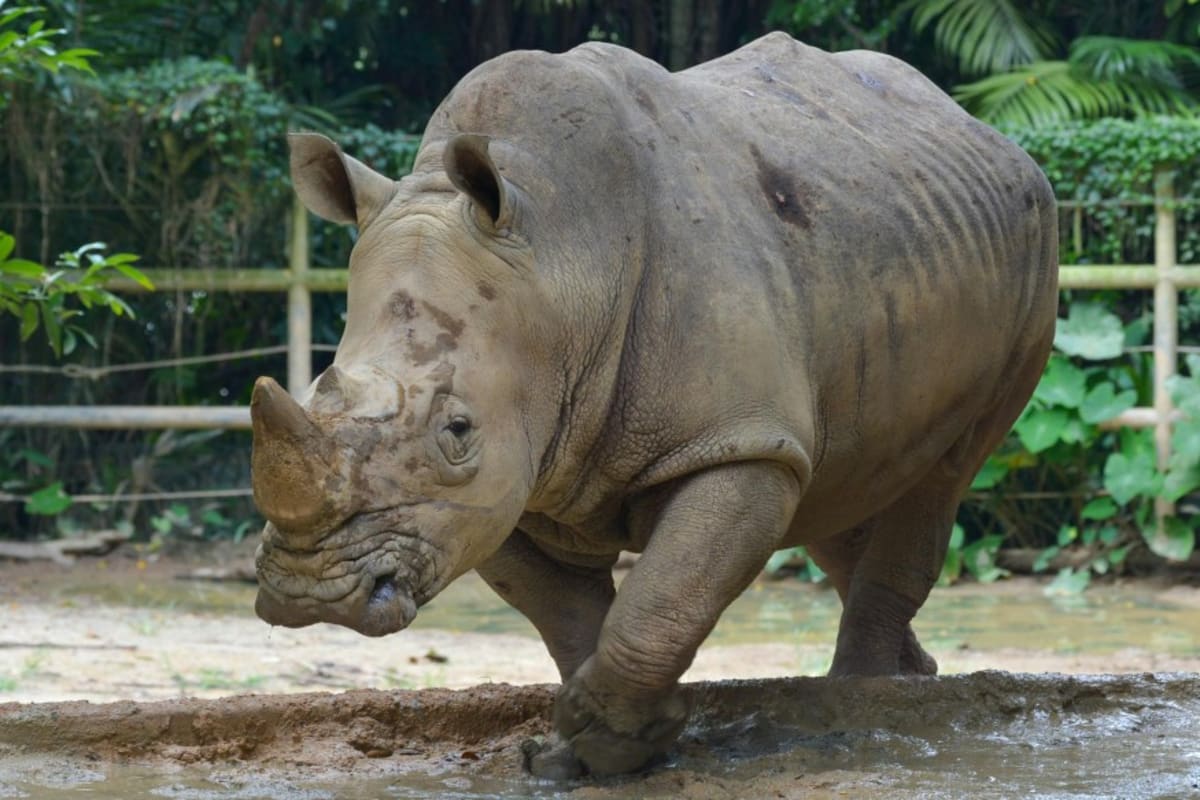
The Sumatran rhino offers fresh hope too. Despite numbering only 34 to 47 in the wild, translocation to managed breeding sites has produced successful births. Each new calf represents a genetic lifeline for the species.
Even the tiny Cross River gorilla shows promise. Community-led patrols in Cameroon and Nigeria have slashed illegal killings by 50% in key zones, stabilizing troops that once faced relentless pressure from bushmeat hunters.
The Ripple Effect
These recoveries share common threads that conservation groups are replicating worldwide. Ranger teams equipped with modern technology like drones and night-vision gear can spot threats before they become fatal. Communities living near wildlife reserves increasingly benefit from ecotourism and employment as patrol guides, reducing their reliance on hunting.
Wildlife corridors prove especially powerful. By connecting fragmented habitats, they allow animals to find mates beyond their immediate area, preventing the inbreeding that dooms small populations. The success with Amur leopards has inspired similar corridor projects for Sumatran elephants navigating plantation landscapes.
Organizations like the African Wildlife Foundation report that donations funding these on-the-ground efforts deliver measurable results. When local people have economic stakes in wildlife survival, poaching drops dramatically.
The kakapo's record breeding seasons prove that even species once written off as doomed can surprise us when given protected space to thrive.
More Images


Based on reporting by Google: species saved endangered
This story was written by BrightWire based on verified news reports.
Spread the positivity!
Share this good news with someone who needs it