Baby Eagles Track Wisconsin River Pollution From Their Nests
Scientists are using blood samples from baby bald eagles to map PFAS contamination across Wisconsin's rivers. The eagles act as early warning systems for toxins threatening both wildlife and people.
📺 Watch the full story above
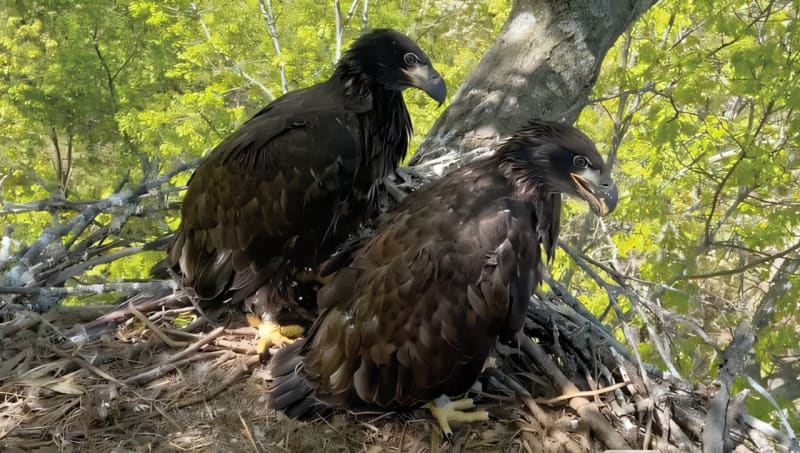
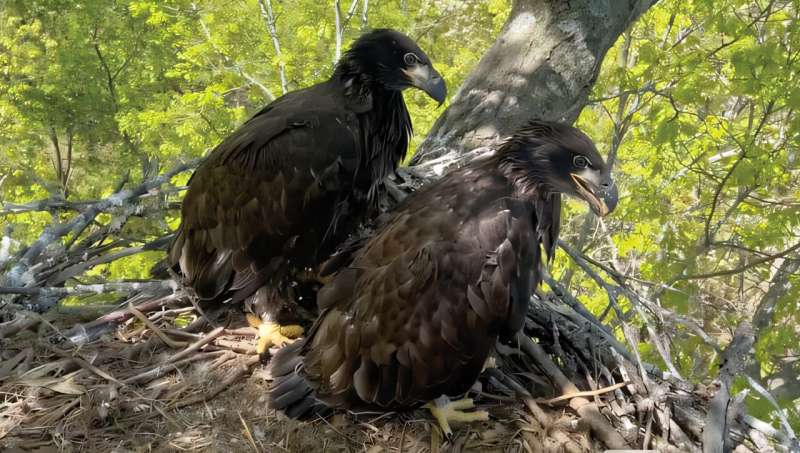
When wildlife biologist Dan Goltz climbed 70 feet up a white pine tree along the Wisconsin River, two bald eagles circled overhead, chirping warnings to protect what was in their nest. Their distress was exactly what the Great Lakes Eagle Health team hoped for.
Since 1990, this team of federal, state, and academic researchers has tracked pollution levels in Wisconsin's bald eagles. Now they're focusing on a new threat: PFAS, the so-called "forever chemicals" found in everyday items like non-stick pans and waterproof jackets.
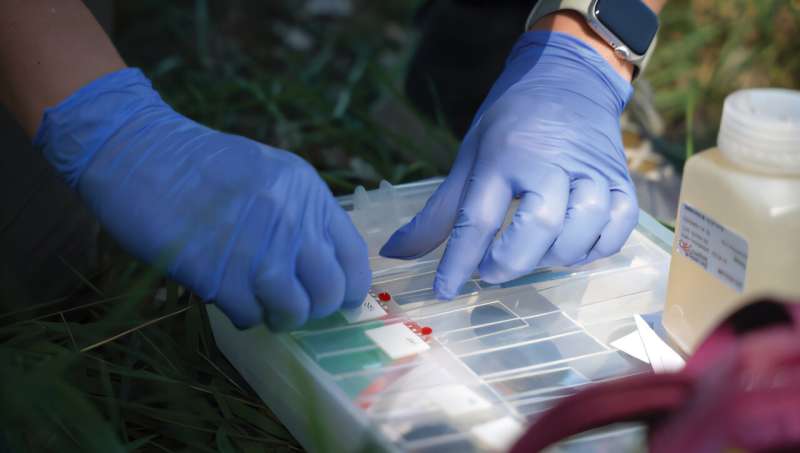
The team samples baby eagles that are too young to fly, taking small blood samples before carefully returning them to their nests. Because these nestlings can't leave home yet, the only PFAS in their blood comes from food their parents bring. That makes them perfect indicators of how these chemicals move through the environment.
"They eat a lot of the same foods that we do," said Gavin Dehnert, an emerging contaminants specialist who joined the project in 2023. Eagles feast on fish and deer, giving scientists a clear picture of contamination levels in both water and land food sources.
The team spent two weeks in May 2025 sampling eagle nests from Prairie du Chien to Minocqua along the Wisconsin River. They chose this route deliberately because the river's length provides a natural gradient to track how PFAS levels change from area to area.
Researchers expect to find higher contamination in the middle section of the river, where industries have historically used PFAS. Communities like French Island and Marinette have already discovered high PFAS concentrations in their drinking water.
Why This Inspires
This project represents conservation coming full circle in the most beautiful way. Bald eagles, once endangered and fighting for survival, are now healthy enough to help protect us. These majestic birds that symbolize American resilience are acting as guardians, alerting scientists to invisible threats before they harm more communities.
The research goes beyond just measuring contamination levels. Emily Cornelius Ruhs, a researcher from the Field Museum, is studying how PFAS affects eagle immune systems, hormone levels, and growth. The answers will help scientists understand risks to both wildlife and humans who share the same food sources.
"We don't know a lot about it or how it impacts wildlife," said Cornelius Ruhs. But each blood sample brings answers, turning eagle nests into early warning stations scattered across Wisconsin's rivers.
The eagles that once needed our protection are now watching over us.
More Images

Based on reporting by Phys.org
This story was written by BrightWire based on verified news reports.
Spread the positivity!
Share this good news with someone who needs it