Black-Led Climate Groups Turn $50M Into Real Change
Across America, Black-led community organizations are solving climate problems from the ground up—installing water-making solar panels in South Carolina towns with toxic water, transforming vacant lots into thriving urban farms, and building training centers that teach clean energy jobs. The Solutions Project has invested over $50 million in 350 grassroots groups proving that the communities hit hardest by climate change are leading the most effective solutions.
📺 Watch the full story above
When Florence, South Carolina residents received yet another boiling water alert in 2020, Rev. Leo Woodberry didn't wait for the city to fix it. His organization, New Alpha Community Development Corporation, installed hydropanels—solar devices that literally pull drinking water from air—right at his church.
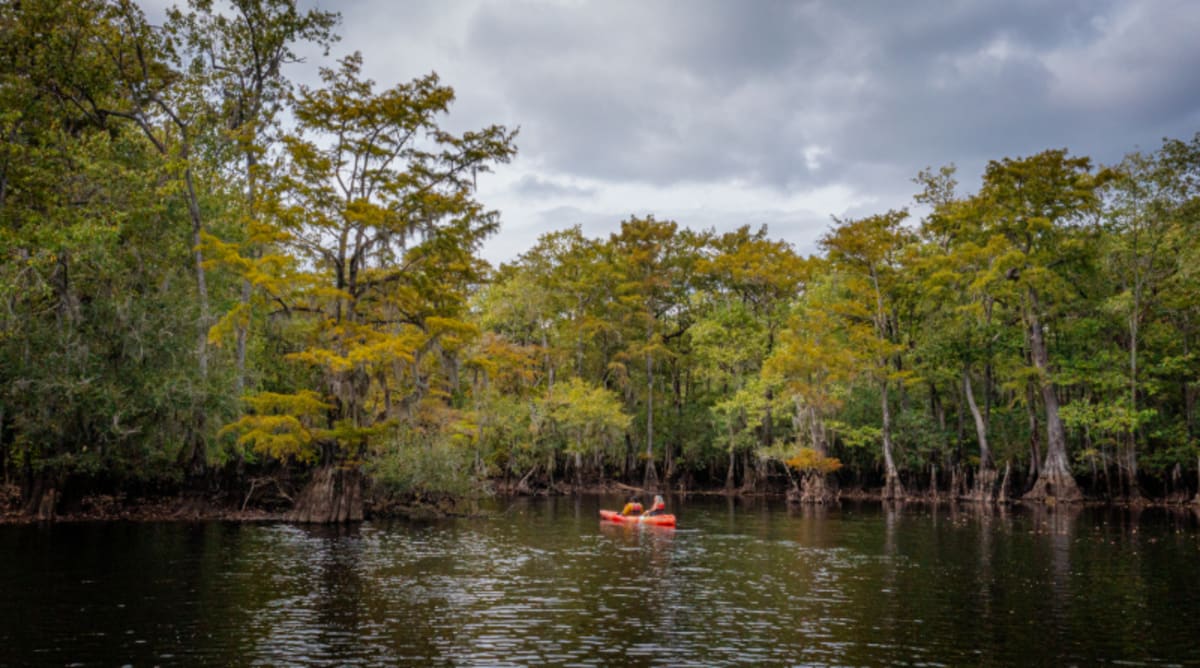
That single act sparked something bigger. By Earth Day 2023, New Alpha opened the South's first environmental justice training center, teaching residents how to grow food and create pollinator gardens. Last year, they purchased Freedom Land, a 305-acre property along a scenic river named for the enslaved ancestors of local residents, transforming it into a hub for forest conservation and ecotourism.
"We're creating jobs in outdoor recreation and green energy sectors while protecting nature," Rev. Woodberry says. His vision? Making the region a model of ecotourism powered entirely by renewable energy.
In Northeast Houston, West Street Recovery took a different approach after Hurricane Harvey devastated communities of color already suffering from neglected infrastructure. The group didn't just repair flood-damaged homes and remove toxic mold—they dug into the data, exposing why their neighborhoods flooded worse than others. In 2023, their organizing work paid off when Houston committed to upgrading the outdated drainage systems that had left them vulnerable.
Urban Tilth has spent 20 years turning vacant North Richmond land into productive green space, distributing thousands of pounds of fresh produce annually through Free Farm Stand and Veggie Rx programs. They're now midway through a transformative five-year, $28 million project building a complete climate resiliency hub—proving that urban farming isn't just about food, it's about reclaiming ancestral agricultural wisdom and building economic power.
In Buffalo, PUSH runs a net-zero Sustainable Workforce Training Center powered by on-site solar and geothermal energy. Workers learn to build green energy homes, then get placed in clean energy jobs through the organization's Hiring Hall, creating pathways for BIPOC communities into the renewable energy economy.
The Ripple Effect: These groups share a common thread—they're led by people who live in the communities they serve, understand the problems firsthand, and aren't waiting for permission to solve them. The Solutions Project's $50 million investment has amplified 350 such organizations, mostly led by women of color, proving that centering the voices of those most impacted by climate change produces the most innovative and lasting solutions.
From Chicago's South Side, where Naomi Davis is planning the Sustainable Square Mile—a walk-everywhere village where Black residents own businesses and land while producing their own energy and food—to coastal towns installing water-making solar panels, these leaders are writing the playbook for climate resilience.
Their success shows that real climate action looks less like top-down policy and more like neighbors teaching neighbors, communities reclaiming land, and local leaders building the future their families deserve.
Based on reporting by CleanTechnica
This story was written by BrightWire based on verified news reports.
Spread the positivity!
Share this good news with someone who needs it