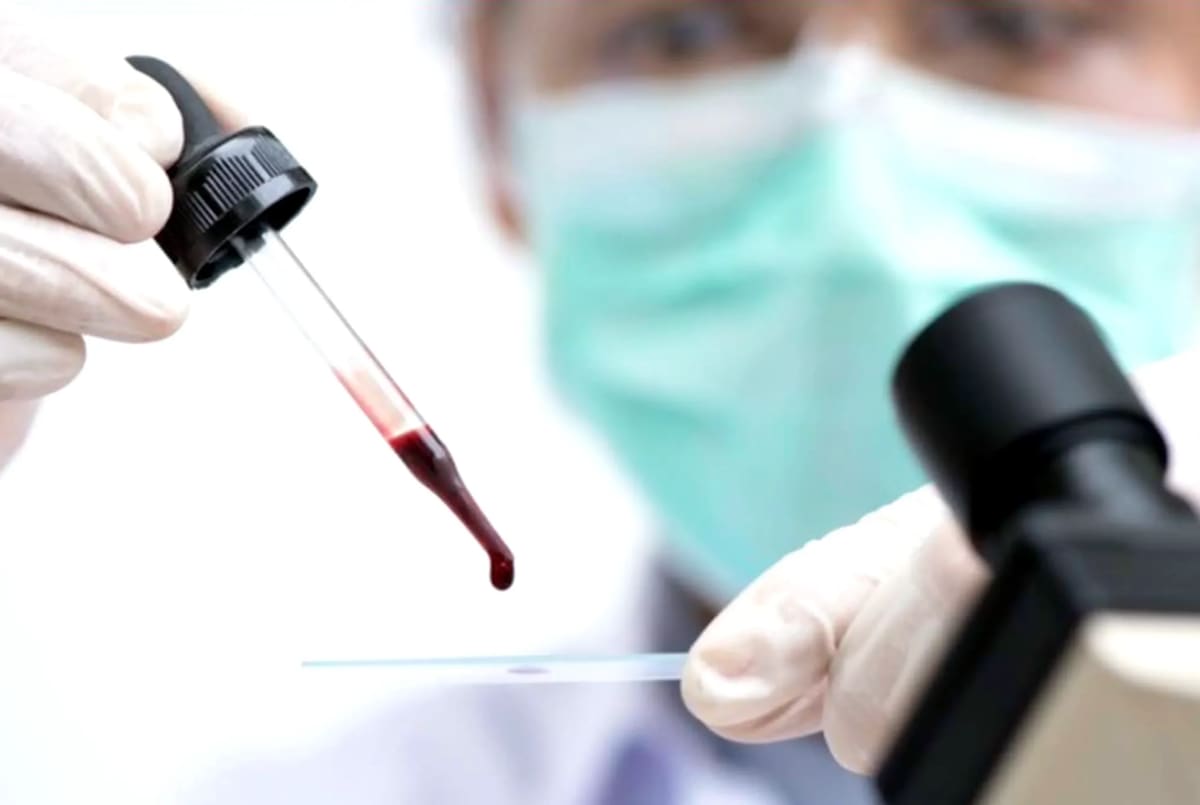
Blood Cell Study Reveals Humans Differ from Mice Models
Scientists discovered that human red blood cell production works differently than decades of mouse-based research suggested. The breakthrough could lead to better treatments for anemia and blood disorders.
📺 Watch the full story above
For the first time, scientists have directly observed how humans actually make red blood cells, and it turns out we've been getting it wrong for decades.
Dr. Ping Ji and her team at Northwestern University used advanced microscopes to watch "erythroblastic islands" inside human bone marrow. These tiny cell clusters act like nurseries where new red blood cells grow and mature before entering our bloodstream.
The surprise? They work completely differently in humans than in mice.
For years, medical researchers have studied mice to understand human blood production. It seemed logical since mice share many biological similarities with us. But this new research shows that what happens in mouse bone marrow doesn't match what happens in ours.
The team could see the structural organization and function of these cell islands differed significantly between species. That means treatments developed from mouse studies might miss key details about how human bodies actually work.
Why This Inspires
This discovery opens doors that researchers didn't even know were closed. Understanding exactly how humans produce red blood cells could transform how doctors treat anemia, a condition affecting 1.6 billion people worldwide.
More importantly, it could revolutionize treatments for bone marrow disorders. When scientists design therapies based on accurate human biology rather than animal approximations, those treatments should work better and faster.
The research team emphasized something crucial: whenever possible, we need to study human tissue directly. Advanced microscopy now makes this possible in ways it never was before. Scientists can watch living processes inside human bone marrow for the first time in history.
This isn't just about red blood cells. It's a reminder that human bodies are unique, and assuming animal research automatically translates to people can lead us astray. Every time researchers make a discovery like this, they're correcting course toward more precise, personalized medicine.
The findings represent years of painstaking work to develop techniques sensitive enough to observe these microscopic processes without damaging delicate bone marrow tissue. That technical achievement alone creates new possibilities for studying other blood diseases and conditions.
Better diagnoses, targeted treatments, and deeper understanding of blood disorders are all now within reach because scientists took the time to look directly at human cells instead of assuming mice would tell the whole story.
More Images

Based on reporting by Google: scientific discovery
This story was written by BrightWire based on verified news reports.
Spread the positivity!
Share this good news with someone who needs it