California Condors Soar From 27 Birds to 500+ in 40 Years
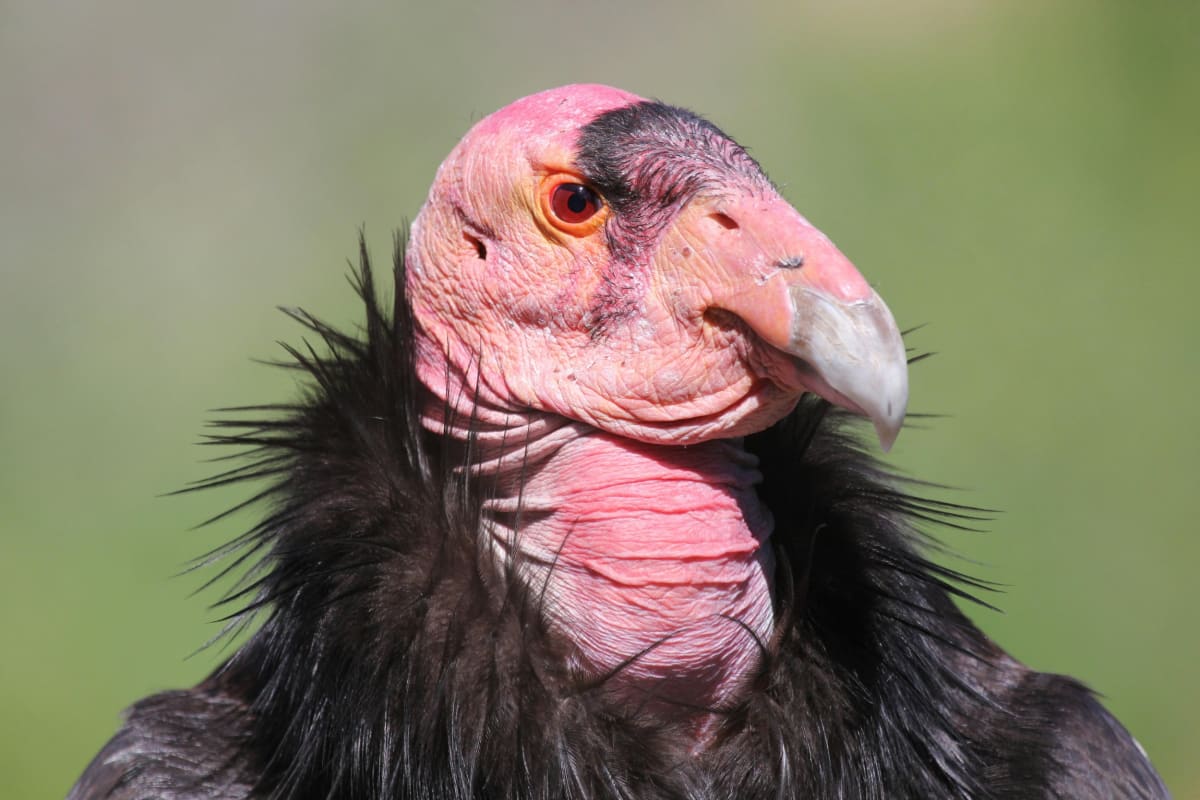
Once down to just 27 birds in the 1980s, California condors now number over 500 thanks to one of conservation's biggest comeback stories. This nine-foot-winged giant proves that bold action can bring species back from the edge of extinction.
📺 Watch the full story above
A bird with a wingspan longer than most people are tall nearly vanished from American skies forever, but today over 500 California condors glide across four states and Mexico.
In 1987, only 27 condors remained alive on Earth. Lead poisoning from bullet fragments in dead animals, power line collisions, and habitat loss had pushed these massive vultures to the brink. Wildlife biologists made a radical decision that year: capture every single wild condor and bet everything on captive breeding.
The gamble paid off. Zoos like San Diego Zoo Wildlife Alliance perfected techniques to raise chicks, encouraging parent birds to lay multiple clutches by pulling eggs early. The population doubled between 1987 and 1992, then doubled again by the mid-1990s.
Biologists began releasing condors back into the wild in 1992 at Ventana Wilderness in California. Birds were "soft released" in special enclosures where they learned to forage safely before flying free. Release sites soon expanded to Arizona's Vermilion Cliffs, Mexico's Baja California, and Utah's Zion National Park.
The real turning point came in 2004 when wild-hatched chicks appeared for the first time. Native tribes joined the effort too, with the Yurok Tribe releasing their first condors in Northern California in 2022, blending cultural respect with modern science.
Today, 341 condors fly free across the Southwest, with another 218 in captivity or transition programs. Arizona hosts 125 wild birds while California supports over 170. Three separate flocks are approaching the recovery goal of 150 birds each.
The Ripple Effect
The condor recovery sparked changes far beyond saving one species. California banned lead ammunition in condor territory in 2019, slashing poisoning deaths by over 50 percent within a year. Five other states have followed suit, protecting eagles, hawks, and other scavengers who also eat contaminated carrion.
Power companies now retrofit dangerous lines with insulation to prevent electrocutions. Nest guardians climb steep cliffs to vaccinate chicks against diseases like West Nile virus and remove plastic bottle caps and other trash that parents accidentally feed their young. These hands-on protections safeguard entire cliff ecosystems.
The condor's return has also boosted eco-tourism in release zones, funding ranger patrols and education programs. Schools across the Southwest teach kids why vultures matter as nature's cleanup crew, preventing disease spread by consuming dead animals. Ranchers now receive incentives for leaving roadkill accessible to hungry condors.
Other endangered species programs have adopted the condor playbook. Black-footed ferrets, whooping cranes, and red wolves now benefit from similar captive breeding and careful reintroduction strategies. The condor proved that even when a species drops to double digits, recovery is possible with enough determination.
Scientists aim to downlist condors from "Critically Endangered" to "Endangered" by 2030, meaning the species would no longer face immediate extinction. The ultimate goal is truly wild flocks that need minimal human intervention to thrive.
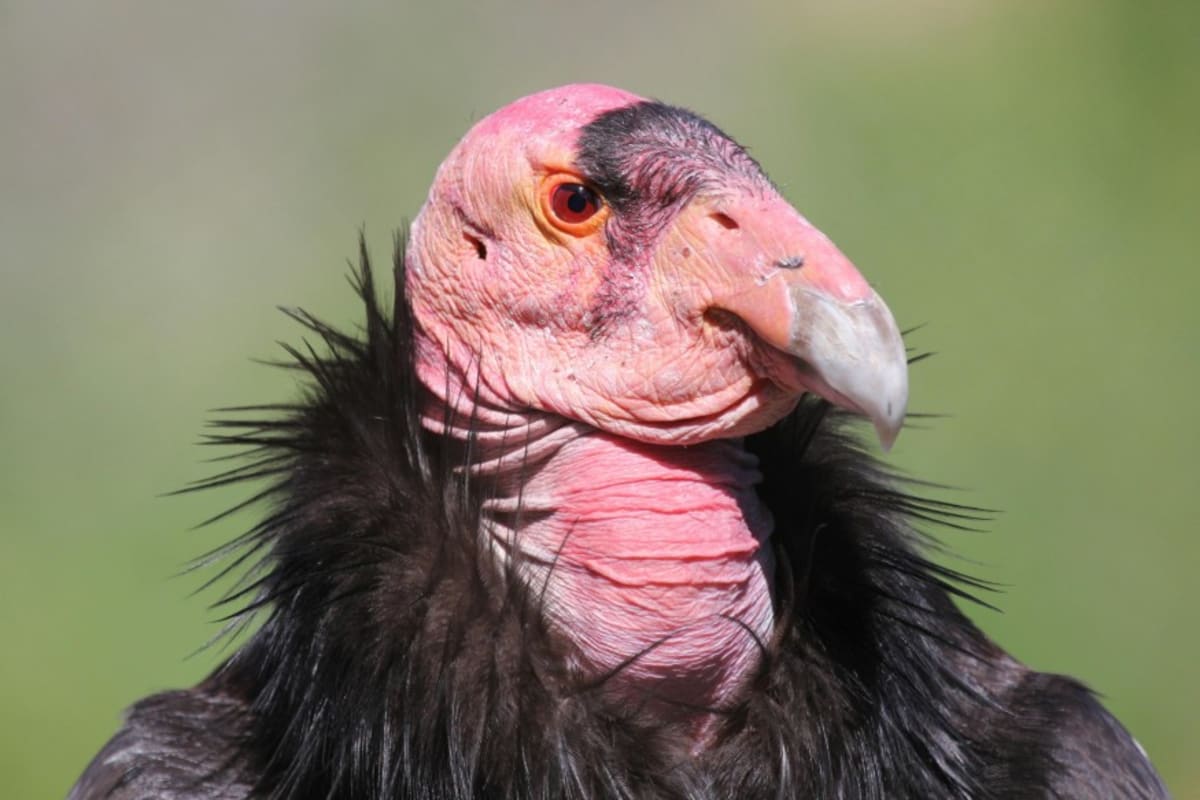
From 27 birds to over 500, the California condor now soars as proof that we can undo our own environmental damage.
More Images



Based on reporting by Google News - Conservation Success
This story was written by BrightWire based on verified news reports.
Spread the positivity!
Share this good news with someone who needs it