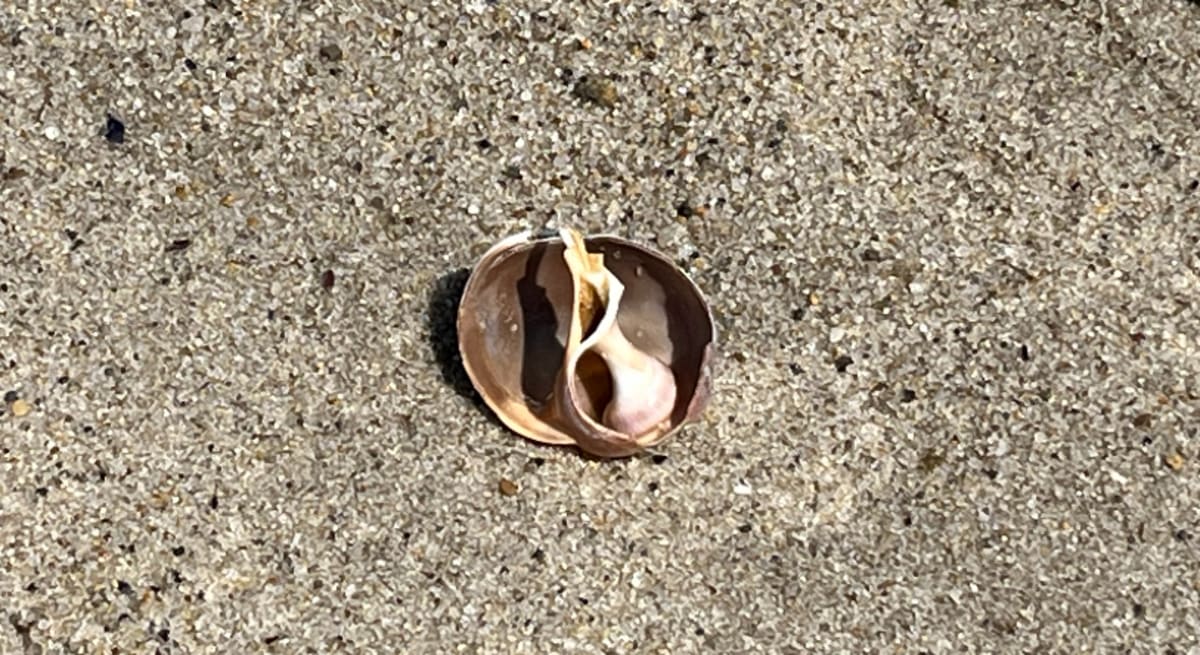
Cape Cod's Plan Protects Beaches and Ocean for Generations
A Massachusetts peninsula beloved for its beaches is pioneering a regional approach to preserve natural resources while planning smart growth. The Cape Cod Commission is balancing development with protection of drinking water, ocean habitats, and fragile coastlines.
📺 Watch the full story above
Cape Cod is running out of wild spaces, but local leaders aren't waiting for disaster to strike.
With only 14% of undeveloped land remaining on this cherished Massachusetts peninsula, the Cape Cod Commission has created a blueprint that protects beaches, drinking water, and ocean habitats while communities continue to grow. Since 1990, this regional agency has guided all fifteen towns in Barnstable County through careful planning that puts nature first.
The secret is voluntary development agreements. When builders want to create something new, they negotiate contracts that give back to the community through preserved land, affordable housing, public facilities, or employment opportunities.
These agreements focus on three connected systems. Natural systems provide the drinking water and coastal landscapes that make Cape Cod special. Built systems include roads, buildings, and infrastructure that let people live and work there. Community systems cover the economy and social fabric that depend on keeping the other two healthy.
The Commission tracks everything with data and research. Residents get real opportunities to voice concerns about land use, and diverse decision makers share a regional perspective on protecting critical resources.
Fresh water gets special attention. The Commission analyzes monitoring data to assess the health of Cape Cod's ponds and lakes, tracking problems like excess nutrients, algal blooms, and invasive species that climate change makes worse.
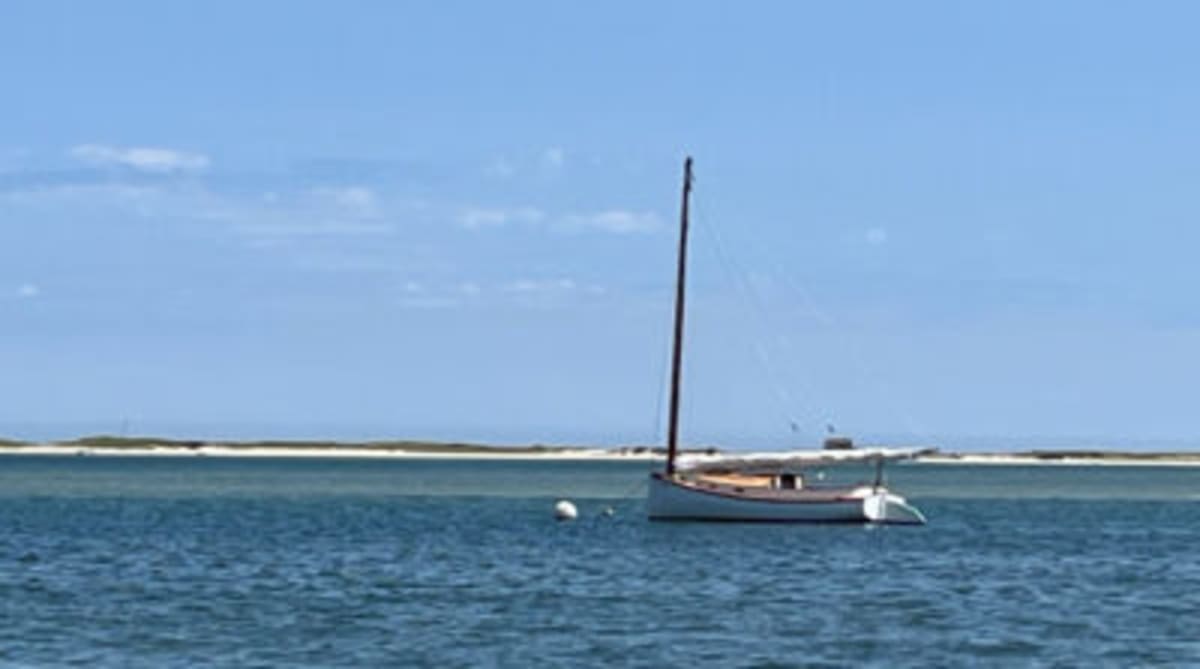
Ocean protection goes even deeper. The Cape Cod Ocean Management Plan maps special habitats like whale feeding grounds, eelgrass beds, commercial fishing areas, and major shipping routes. The plan guides decisions about renewable energy projects, underwater cables, pipelines, and sand extraction in state waters.
Every five years, the plan gets updated with the latest science and changing ocean conditions. This keeps protections current as new challenges emerge.
The Ripple Effect
Cape Cod's model shows other coastal communities how to plan ahead instead of reacting to crises. By bringing together towns, developers, and residents around shared goals, the Commission proves that growth and conservation don't have to be enemies.
The approach spreads benefits across generations. Today's families enjoy clean beaches and drinking water while knowing their children will inherit the same natural treasures.
Smart regional planning is protecting one of America's most beloved coastlines, one agreement at a time.
More Images
Based on reporting by CleanTechnica
This story was written by BrightWire based on verified news reports.
Spread the positivity!
Share this good news with someone who needs it