China Launches Moon Mission to Hunt for Water Ice at South Pole
China is sending four spacecraft to the moon's south pole this Sunday to search for water ice hidden in shadowed craters. The ambitious mission could unlock secrets about the moon's resources and pave the way for future human exploration.
📺 Watch the full story above
China is launching one of its most ambitious lunar missions yet, sending a quartet of spacecraft to explore the moon's mysterious south pole and hunt for frozen water that could support future astronauts.
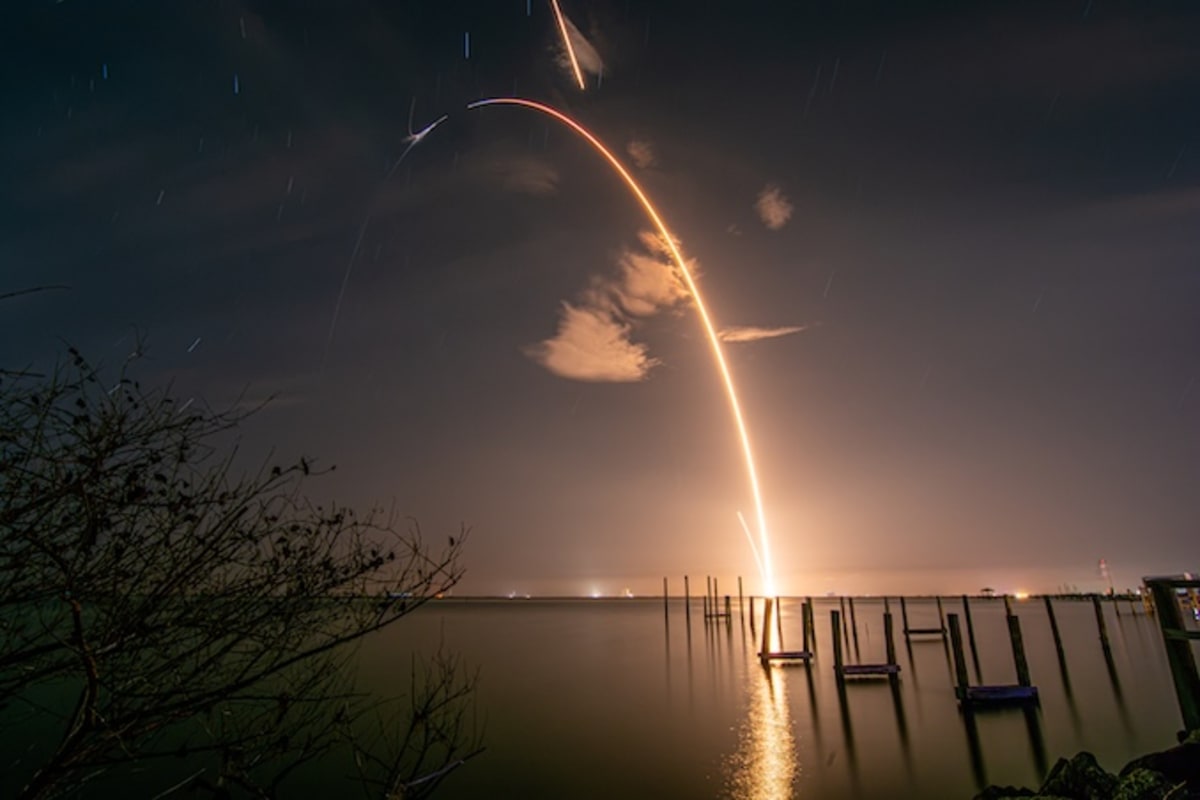
The Chang'e-7 mission lifts off Sunday night aboard a Long March 5 rocket. The stack includes an orbiter, lander, rover, and a propellant-powered "hopper" designed to leap into permanently shadowed craters where water ice might hide.
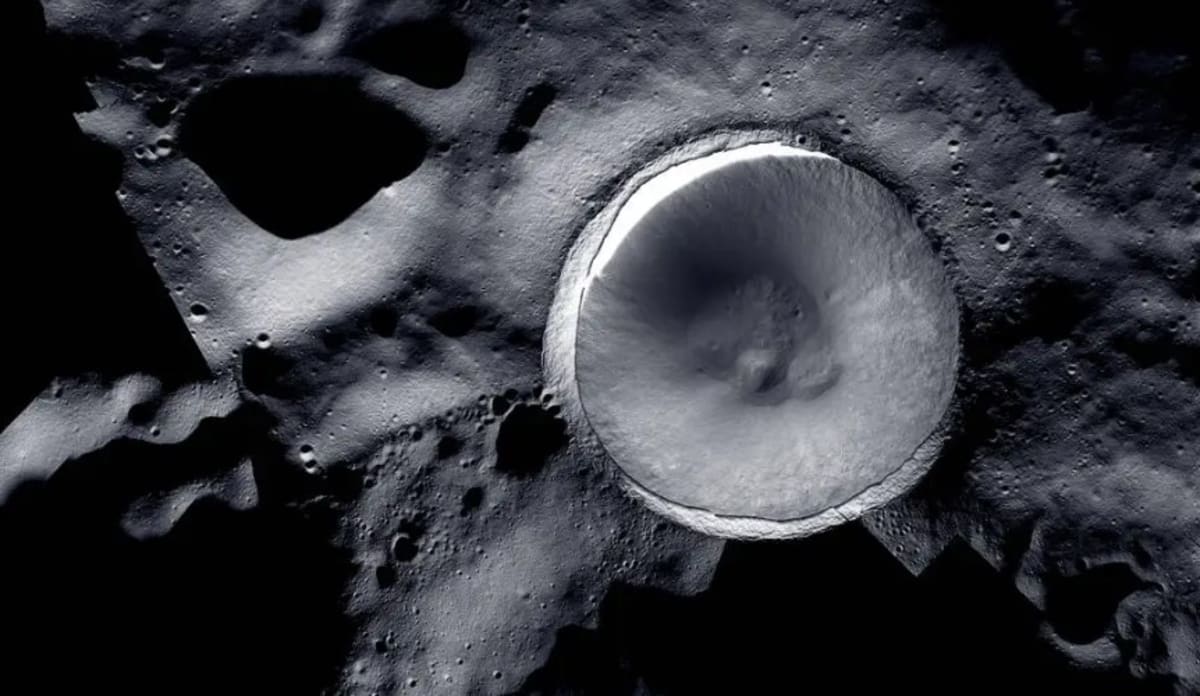
Scientists are particularly excited about the hopper spacecraft. This innovative vehicle will make short flights into dark craters that never see sunlight, then drill up to three feet deep to retrieve soil samples. Inside these frozen shadows, temperatures stay cold enough to trap water from ancient comets and asteroids.
The process is remarkably clever. The hopper first scans the surface with a laser from about two feet away, checking for frost before committing to drilling. Once it collects a sample smaller than a sugar cube, the material goes into a sealed chamber where it's heated to over 200 degrees. Any water vapor released gets analyzed to determine whether it came from the solar wind, comets, or asteroids.
Landing will be tricky. The sun never rises more than a few degrees above the horizon at the south pole, casting shadows tens of meters long from even small rocks. The Chang'e-7 lander needs to touch down in a zone barely 300 feet across near Shackleton crater, balancing access to sunlight for power with proximity to shadowed regions holding ice.
Why This Inspires
Professor Katherine Joy at the University of Manchester called it "an incredibly capable and ambitious mission" with potential for "huge science return." She highlighted how multiple spacecraft working together, each carrying sophisticated instruments, could finally answer questions about lunar water that satellites can only hint at from orbit.
The mission joins an exciting wave of south pole exploration. NASA's VIPER rover aims to reach the same region by 2027, and European instruments are seeking rides there too. Together, these missions will help scientists understand whether the moon can support long-term human presence.
China has been building toward this moment through a series of increasingly complex Chang'e missions since 2007. The country recently returned samples from the moon's far side and plans to land astronauts before 2030. Chang'e-7 and its 2029 follow-up will test technologies for China's planned International Lunar Research Station.
The search for lunar water represents more than scientific curiosity. Water ice could be split into hydrogen and oxygen for rocket fuel and breathing air, potentially transforming the moon from a destination into a stepping stone for deeper space exploration.
More Images


Based on reporting by SpaceNews
This story was written by BrightWire based on verified news reports.
Spread the positivity!
Share this good news with someone who needs it