Construction Robots Learning to Keep Workers Safer on Job Sites
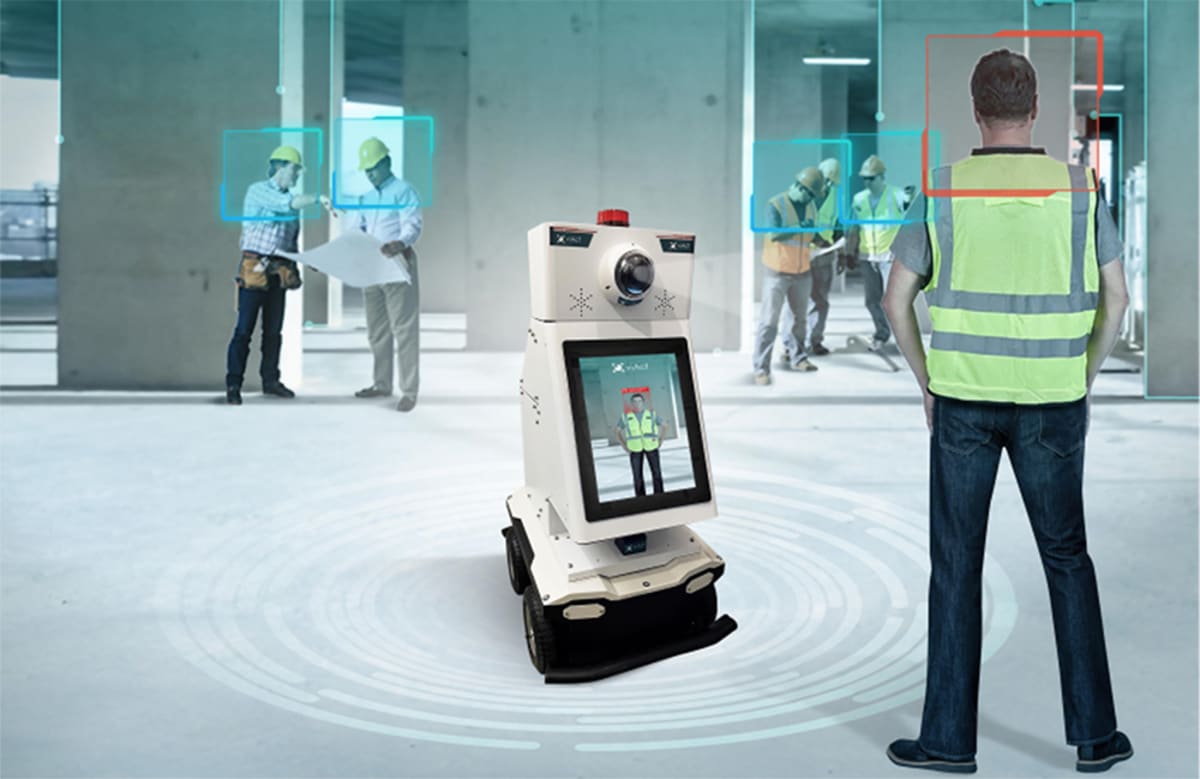
A university lab and robotics company are teaching machines to spot dangers on construction sites that even humans might miss. The goal is creating "superhuman" AI that makes one of America's most dangerous industries safer for everyone.
📺 Watch the full story above
Construction robots are getting smarter about keeping humans safe, thanks to a groundbreaking partnership between the University of Pennsylvania and Built Robotics.
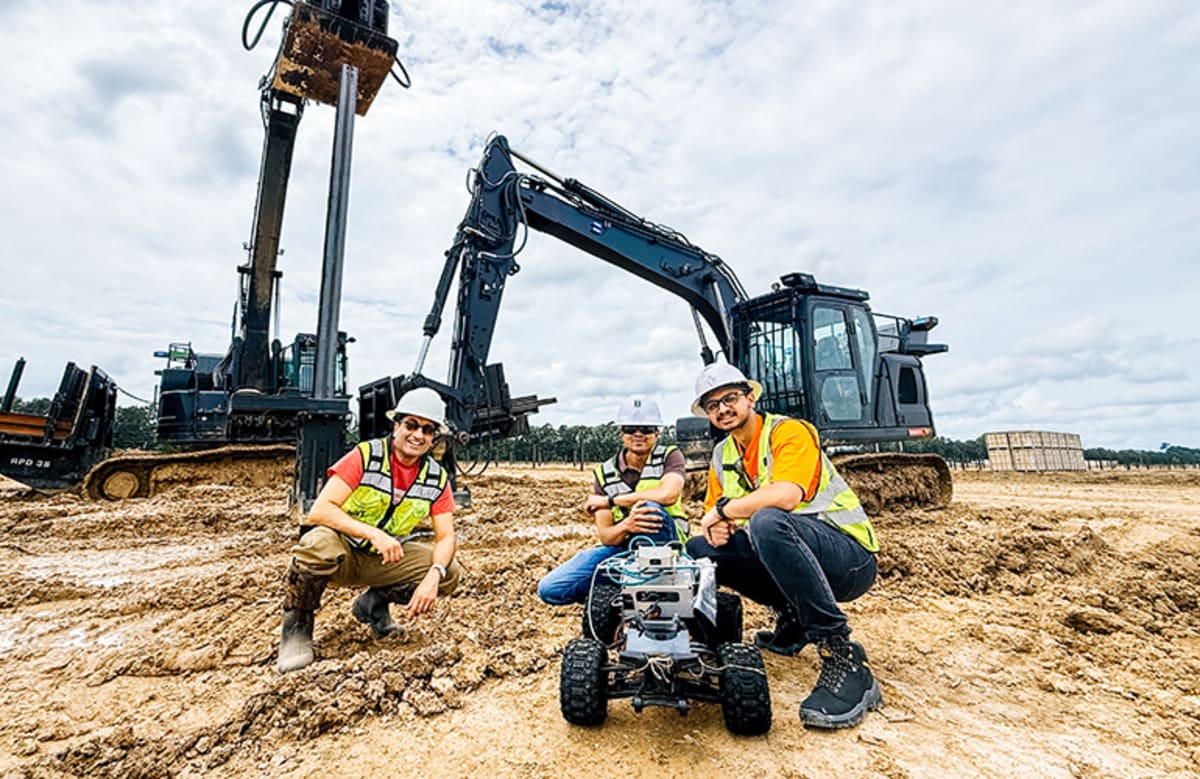
Built Robotics has been making autonomous construction equipment since 2016, racking up over 50,000 hours operating heavy machinery on real job sites. Now they're teaming up with Penn's Safe Autonomous Systems Lab to create AI that can detect people and hazards in even the trickiest conditions.
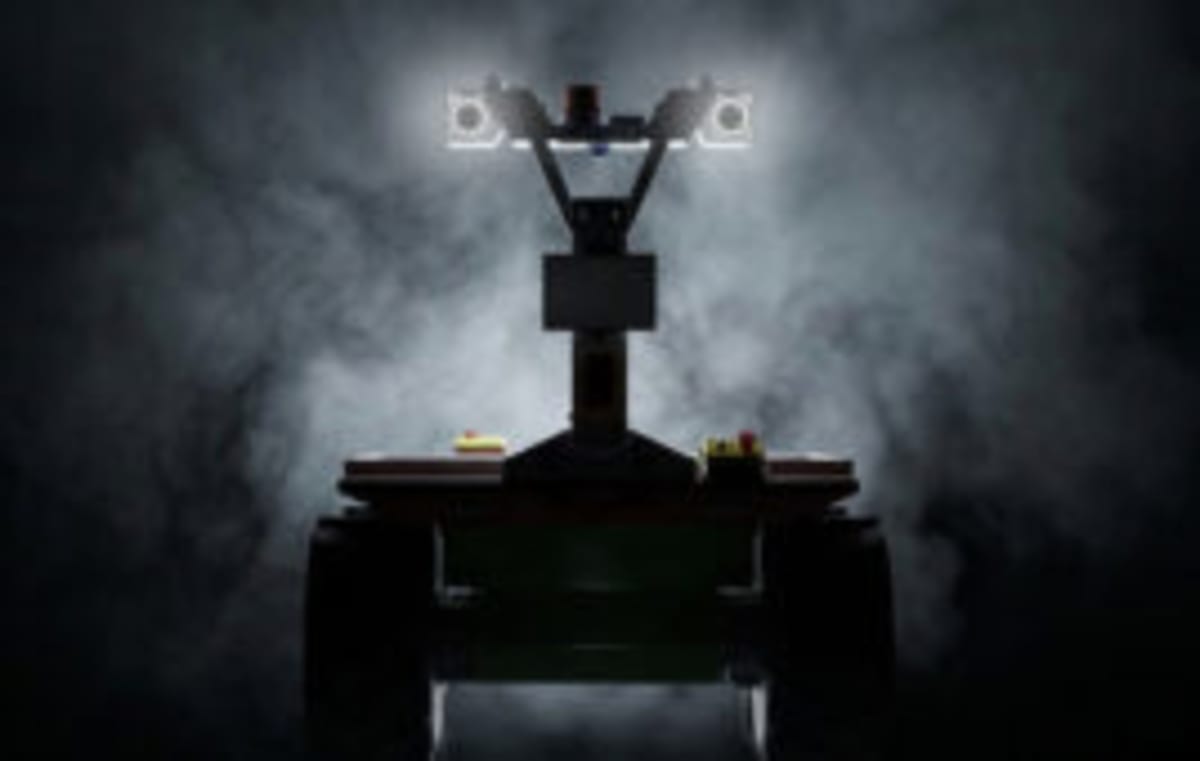
The collaboration centers on teaching robots to see what humans might miss. Construction sites are chaotic places with weird lighting, workers in unusual positions, and unexpected movements. Built's fleet of small survey robots will scan active solar construction sites, collecting data on all these edge cases.
Professor Rahul Mangharam leads Penn's xLAB, which focuses on building safe autonomous systems for the real world. His team will analyze the data Built collects to develop AI models that work reliably in messy, unpredictable environments, not just controlled labs.
Built founder Noah Ready-Campbell, a Penn graduate himself, sees safety as something the entire industry benefits from. His company has already deployed robots at over 40 sites and installed more than 3 gigawatts of solar power. Now they want to raise the safety bar for everyone.
The timing matters because construction remains one of America's most dangerous industries. As more companies adopt autonomous equipment, getting the safety architecture right from the start could prevent accidents before they happen.
The Ripple Effect
This partnership goes beyond just Built's robots. The company actively shares safety insights through the Association of Equipment Manufacturers, believing that safety advances should lift the entire industry. When robots can reliably detect dangers that human operators miss, every worker on every site benefits.
The research could also set standards for how physical AI gets validated before deployment. Instead of testing only in perfect conditions, Built and Penn are proving their systems in dust, glare, and chaos.
Liam Osler, Built's AI engineering director, summed up their approach: physical AI must be safe first, and it should set new safety standards for construction overall.
The first phase focuses on solar construction sites, but the lessons learned will apply across construction activities and vehicle types, potentially transforming how the industry thinks about worker safety in the age of automation.
More Images

Based on reporting by The Robot Report
This story was written by BrightWire based on verified news reports.
Spread the positivity!
Share this good news with someone who needs it