Costa Rica Cameras Catch Rare Birds in New Habitats
Camera traps in Costa Rica's dry forests are recording stunning birds hundreds of miles outside their known ranges, rewriting what scientists thought they knew about these elusive species. Wildlife biologist Vincent Losasso's patient monitoring is revealing that nature's boundaries are far more flexible than our maps suggest.
📺 Watch the full story above
Sometimes the most exciting scientific discoveries happen when animals show up exactly where they're not supposed to be.
Vincent Losasso has been setting camera traps in Costa Rica's Estación Experimental Forestal Horizontes for years, hoping to catch glimpses of the region's tropical dry forest wildlife. But lately, his cameras have been recording something remarkable: rare bird species appearing hundreds of miles outside their documented ranges.
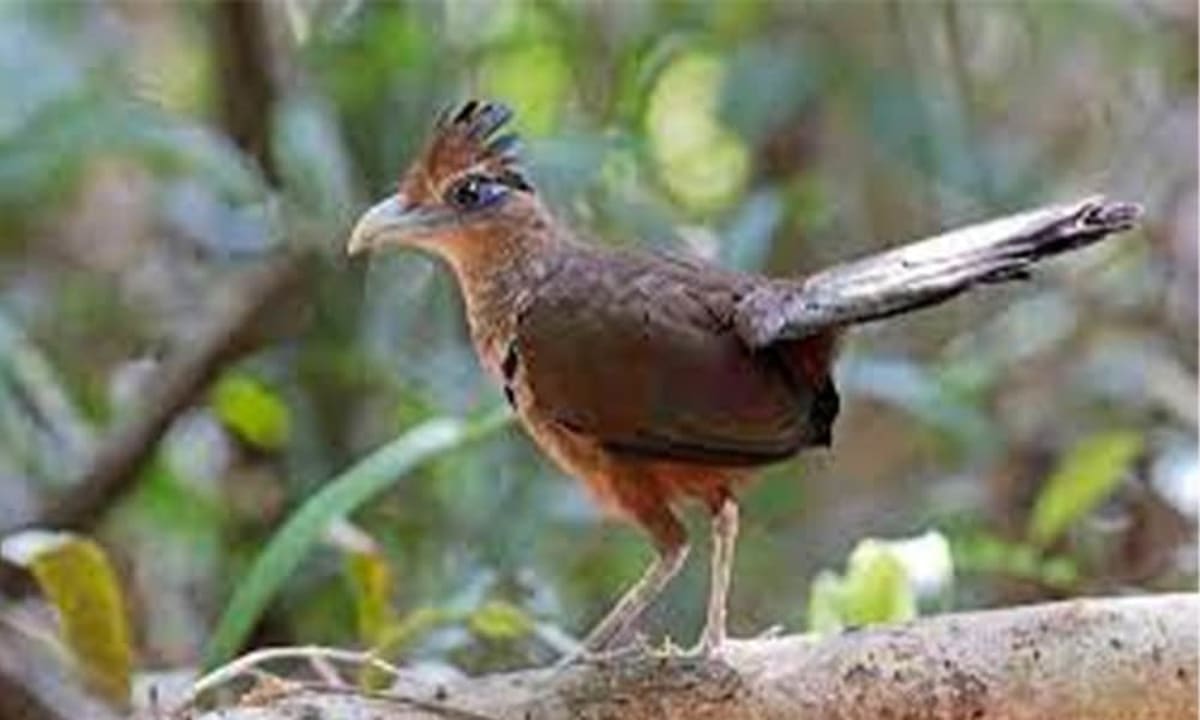
The first surprise was a rufous-vented ground-cuckoo, a bird so hard to spot that birdwatchers call it "the ghost." These purple-highlighted, roadrunner-like birds typically stick to the humid forests of Limón and around Tenorio Volcano National Park. Finding one in the dry forest was like discovering a penguin in the Sahara.
Then came the agami heron, a medium-sized beauty with chestnut and glossy green plumage and an artist-perfect white stripe down its neck. Scientists had documented these herons expanding beyond their traditional Caribbean lowlands habitat, but nobody expected one to appear at a puddle in the dry forest.
Just last week, Losasso reviewed footage of a pair of green ibises probing the water's edge with their curved beaks. The birds were doing exactly what green ibises do, just in completely the wrong part of the country according to official range maps.
Why This Inspires
These unexpected sightings prove that nature refuses to stay inside the lines we draw for it. As Costa Rica's forests recover and connect through conservation efforts, wildlife is exploring new territories and adapting to different habitats.
Losasso's patient work shows how much we still have to learn about the natural world, even for species we think we understand. Every SD card he reviews might contain evidence that rewrites scientific understanding.
The findings suggest that official range maps represent approximations rather than hard boundaries. Birds and other wildlife are constantly testing new territories, expanding into areas where conditions support them.
These discoveries wouldn't be possible without Costa Rica's commitment to forest conservation and the growing network of protected areas. As habitats improve and expand, animals have more opportunities to move and establish themselves in new regions.
The next time you think nature has revealed all its secrets, remember: somewhere in Costa Rica, a camera trap is recording a bird that's supposed to be impossible, proving that the natural world still holds plenty of surprises for anyone patient enough to watch.
More Images




Based on reporting by Tico Times Costa Rica
This story was written by BrightWire based on verified news reports.
Spread the positivity!
Share this good news with someone who needs it