Costa Rica Macaws Quadruple as Poachers Turn Protectors
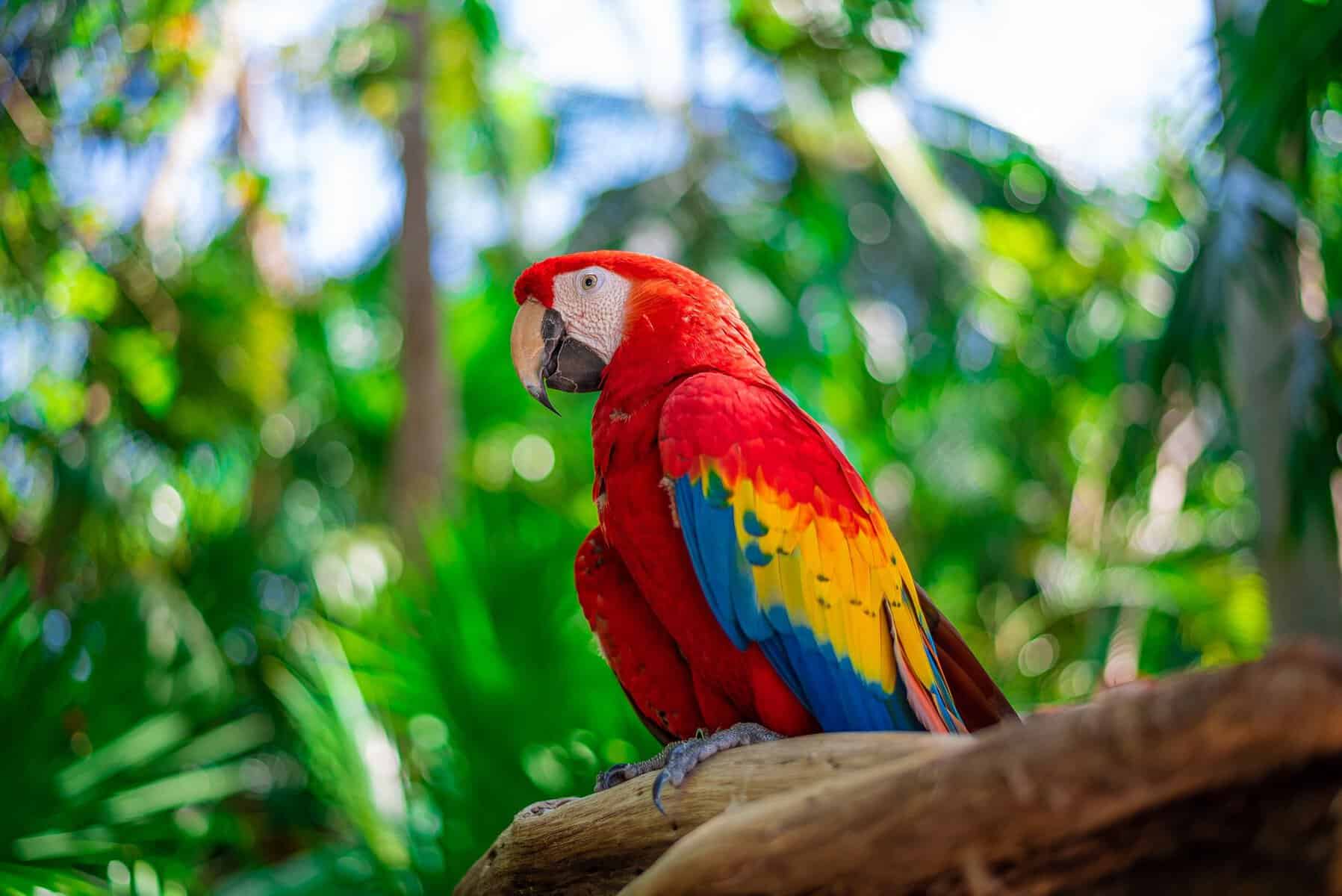
Costa Rica's wild scarlet macaw population has nearly quadrupled thanks to a visionary conservation project that enlists former poachers to build high-tech nests. Anyone with an internet connection can now watch these radiant birds raise their chicks through 24-hour live canopy cameras.
A brilliant flash of crimson across the Costa Rican canopy now signals one of Central America's greatest wildlife triumphs. Decades of dedicated grassroots action have nearly quadrupled the Central Pacific's wild scarlet macaw population, and anyone with a smartphone can now watch their family life unfold live.
Punta Leona Nature Resort recently expanded its long-running conservation initiative by installing three new camera-equipped artificial nests. This expansion brings the active network to 11 high-tech nesting boxes, securely mounted up to 66 feet high in towering forest trees.
Through around-the-clock live streams, viewers worldwide can peek inside these treetop nurseries without disturbing the wild pairs. Biologists expect bonded couples to lay their first clutches between December and January, followed by nearly three months of dedicated chick-rearing before fledglings take flight.
At the heart of this ecological rebound lies an inspiring story of community redemption. When wildlife biologist Christopher Vaughan launched the project 36 years ago, he reached out directly to local poachers who once raided wild nests for the pet trade.
Instead of treating these residents as adversaries, Vaughan invited them to lead the nest-building effort. These former hunters channeled their intimate knowledge of avian behavior and tree-climbing into crafting custom fiberglass hollows lined with cozy wood chips.
Today, the very hands that once took chicks from the wild are building safe sanctuaries that protect young macaws from natural predators. Their remarkable transition has helped transform the Garabito region from a poaching hotspot into a beacon of community-led environmental stewardship.
The data reveals the breathtaking power of this collaborative approach. The Central Pacific scarlet macaw population surged from barely 215 birds in the early 1990s to roughly 800 wild individuals soaring free today.
To sustain this boom, the team also established native nurseries to reforest the coastline with essential food trees like royal palm, ojoche, and beach almond. Scarlet macaws now flourish well beyond the resort, recolonizing neighboring valleys and national parks that had not seen them in decades.
The Ripple Effect
By transforming poachers into proud protectors, this grassroots project created a resilient conservation blueprint that communities across the globe can replicate. These unscripted live nest streams connect millions of urban viewers to raw rainforest ecology, proving that genuine empathy and economic opportunity can restore even the most fragile ecosystems.
As the newest generation of macaws prepares to hatch high above the forest floor, their vibrant wings carry a message of enduring hope for the planet.
More Images


Based on reporting by Tico Times Costa Rica
This story was written by BrightWire based on verified news reports.
Play Today’s BrightWire Positive Mini Crossword & Word Game
Keep your mind sharp with our free 5-minute uplifting daily crossword and positivity word puzzle.
Spread the positivity!
Share this good news with someone who needs it