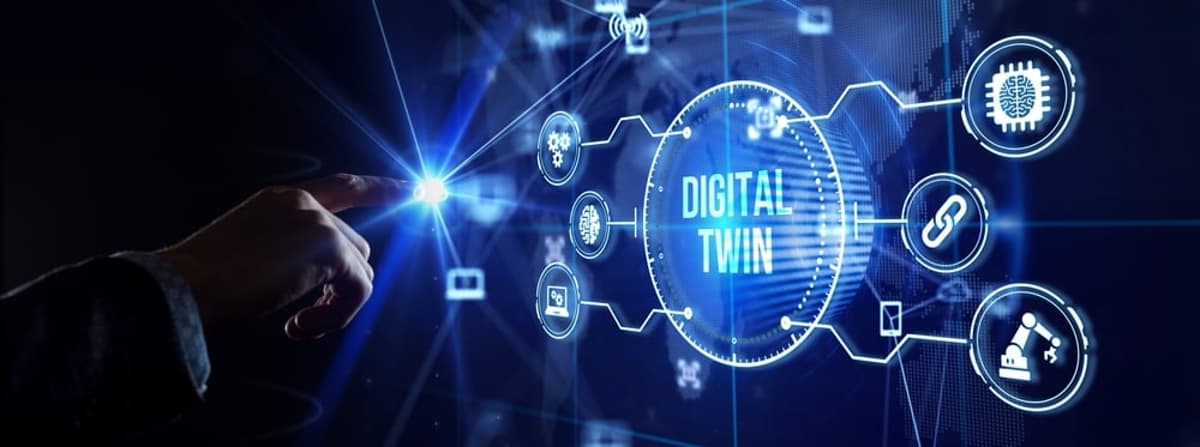
Digital Twins Help Ports and Plants Cut Carbon Emissions
A new technology is helping industries slash their carbon footprints by creating virtual copies of real facilities that optimize energy use in real time. From Irish ports to wastewater plants, these digital twins are turning climate goals into measurable results.
📺 Watch the full story above
Imagine a perfect virtual copy of an entire port or factory that runs 24/7, testing ways to use less energy and cut emissions without disrupting a single real operation.
That's exactly what digital twin technology is doing across the UK and Europe, with promising results that could reshape how industries tackle climate change. Digital Catapult just completed its first Digital Twin Adoption Accelerator program, proving the technology works across nine different sectors.
At Northern Ireland's Port of Larne, technology firm Helix8 built an AI-powered digital twin that analyzes real-time energy data from port infrastructure. The virtual model helps managers decide where to add electric vehicle charging stations, how to optimize renewable energy generation, and where electrification makes the most sense.
The system models future energy demand and simulates different paths to net zero, giving operators a clear roadmap to reduce emissions while improving efficiency. Port managers can now test major infrastructure changes virtually before spending a single dollar on construction.
Industrial gas company Nippon Gases already uses digital twin technology through its MiruGas platform to manage wastewater treatment operations. Their virtual operator works around the clock, gathering data and predicting problems before they happen.
"The digital twin is a live replica of the wastewater treatment plant and we are continuously adapting the results and changing the twin to reflect what is going on in real life," said José Vicente Sánchez at the EIGA Winter Summit in January. The system optimizes oxygen dosing and helps prevent equipment failures.
The Ripple Effect
The technology is spreading rapidly across industries desperate for practical climate solutions. Hydrogen developers use digital twins during project design to assess viability and improve safety before breaking ground.
Ben Laws from Siemens notes that process digital twins need minimal information to get started, making them accessible even for companies early in their planning stages. The technology helps optimize plant design without requiring complete vendor selection or extensive engineering data upfront.
McKinsey predicts the digital twin market will grow 30 to 40% annually, reaching up to $150 billion by 2032. That explosive growth reflects genuine demand from industries seeking measurable ways to cut emissions while maintaining productivity.
The marriage of artificial intelligence and industrial operations is creating tools that make sustainability profitable rather than painful.
More Images

Based on reporting by Google News - Emissions Reduction
This story was written by BrightWire based on verified news reports.
Spread the positivity!
Share this good news with someone who needs it