Donut Lab Battery Works at 100°C, Silencing Doubters
A mysterious new battery just survived extreme heat tests that would destroy conventional batteries, proving skeptics wrong and opening doors to safer, more resilient energy storage. Independent lab results confirm this isn't your typical lithium-ion technology.
📺 Watch the full story above
A breakthrough battery technology just passed a test that should have been impossible, surviving temperatures hot enough to boil water while conventional batteries would burst into flames.
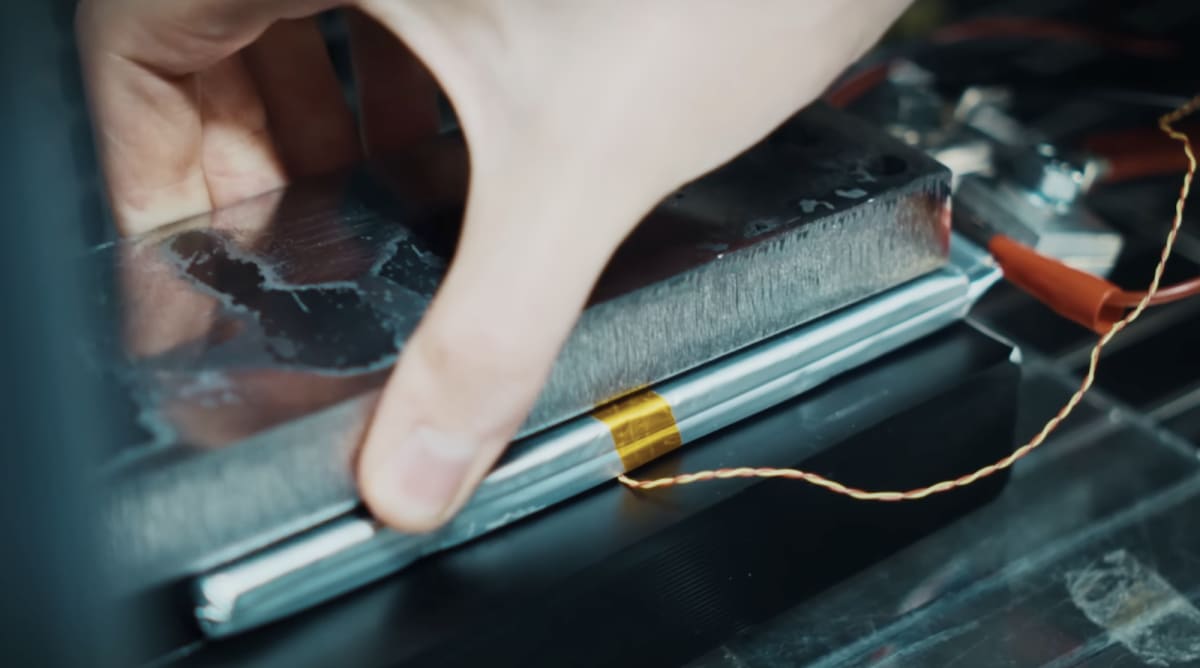
Donut Lab's experimental battery operated flawlessly at 100 degrees Celsius during independent testing in March 2026. When the protective pouch around the battery broke during the extreme heat test, nothing caught fire. That single moment proved what the company had been saying all along: this isn't a standard lithium-ion battery with liquid inside.
The skeptics had good reason to doubt. No intercalating battery has ever performed across such extreme temperature ranges, from negative 30 degrees Celsius to 100 degrees Celsius. Battery experts on social media questioned whether the technology was even real.
But the independent lab data tells a different story. If Donut Lab's battery contained the liquid organic electrolyte found in typical lithium-ion batteries, the breach at 100 degrees would have caused significant gas release and fire. Instead, the battery kept working and returned to full function at room temperature.
The company's Chief Technology Officer, Ville Piipo, confirmed this is a "non-lithium" solid-state battery. Marko, another company representative, told interviewers that concerns about lithium and cobalt in electric vehicles are "all gone" with this technology.
Solid-state batteries have long been considered the holy grail of energy storage because they're safer and more stable than liquid-filled batteries. The challenge has always been keeping the solid materials in contact as they expand and contract during use.
The Ripple Effect
This breakthrough could transform how we power everything from electric cars to phones. Batteries that work safely in extreme heat and cold open up new possibilities for vehicles in desert climates and Arctic conditions alike. The environmental benefits extend beyond performance: eliminating lithium and cobalt from the supply chain addresses two major concerns about electric vehicle sustainability.
The independent testing continues weekly, with more results coming soon. What started as speculation has turned into grudging acceptance among competitors, shifting from "you can't do it" to "how did you do it?"
Donut Lab's battery also charges at an extraordinary 11C rate while maintaining high energy density, something that typically requires major trade-offs. The company had already conducted its own tests and third-party validations before this public testing round, giving them confidence in the results.
The technology represents years of quiet development finally coming to light. While full engineering specifications haven't been released yet, that's normal for this stage of development.
After surviving one of the most punishing tests imaginable, this battery technology is proving that the future of energy storage might look very different than we thought.
More Images
Based on reporting by CleanTechnica
This story was written by BrightWire based on verified news reports.
Spread the positivity!
Share this good news with someone who needs it