Drought-Stricken Indian Village Now Runs on 100% Solar
A small village near Pune transformed itself from a drought-ravaged community into a fully solar-powered model of sustainability. Aadachiwadi now has 24/7 clean energy, strict waste management, and women-led farming.
📺 Watch the full story above
Five years ago, Aadachiwadi was dying of thirst. Today, this village near Pune, India runs entirely on solar power and teaches cities what real sustainability looks like.
The transformation didn't come from government programs or outside NGOs. Villagers took control themselves, cutting out middlemen and building their own systems from the ground up.
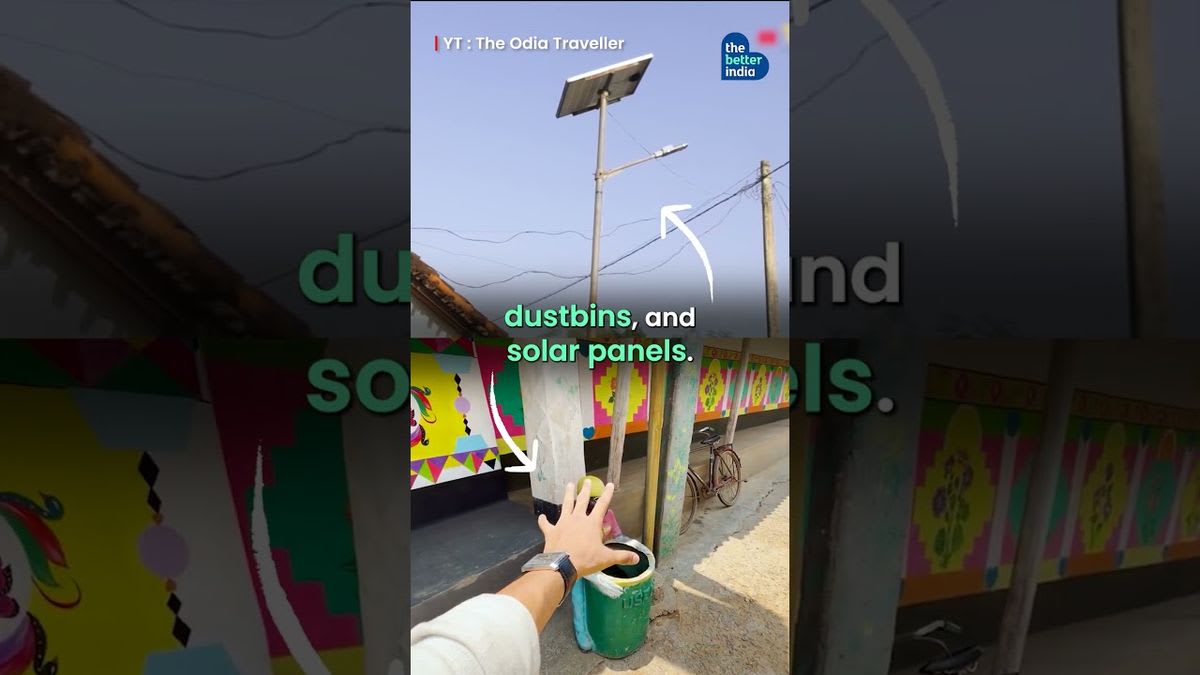
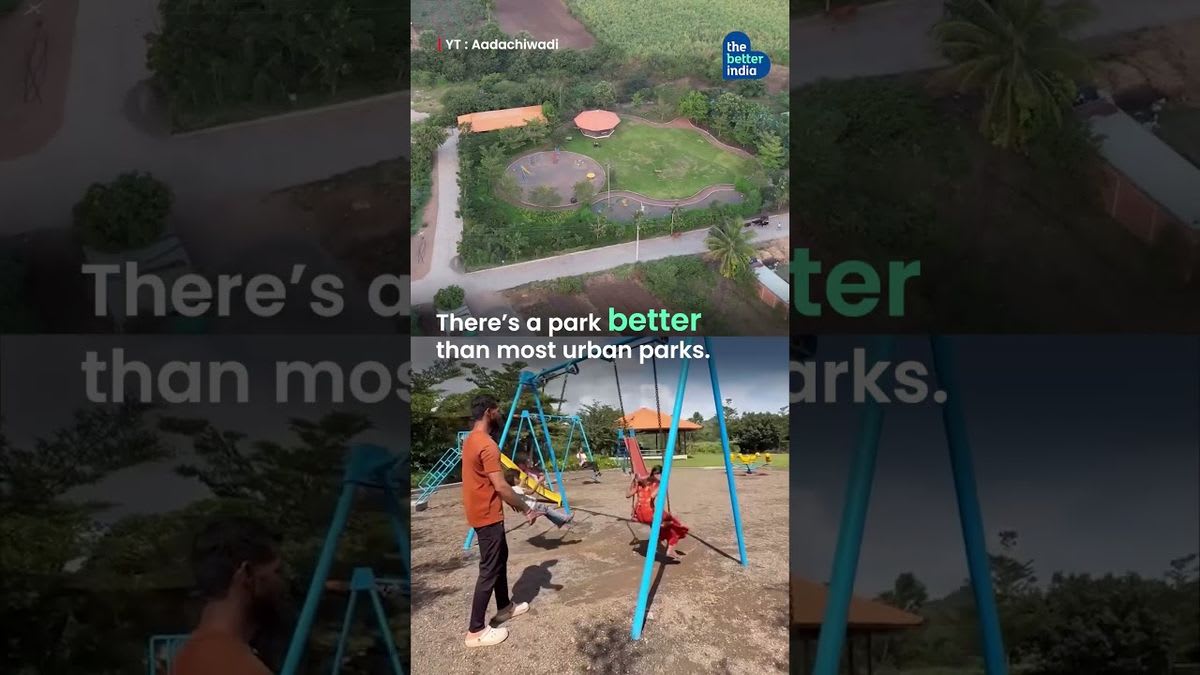
They started with infrastructure. Smooth roads replaced dirt paths. Solar panels went up on every rooftop, delivering round-the-clock electricity where blackouts once ruled. Strict waste segregation became village law, with everyone pitching in.
But the real revolution happened in the fields. Women took leadership roles in farming, breaking centuries of tradition. Without middlemen taking cuts, farmers kept their profits and reinvested in the community.
The village created its own self-sustaining cycle. Solar power reduced costs, which freed up money for better roads and waste systems. Cleaner streets and reliable electricity attracted young people to stay instead of fleeing to cities. More hands meant stronger farms and more innovation.
The Ripple Effect
Other villages across Maharashtra are now copying Aadachiwadi's playbook. Delegations visit monthly to learn how a community of farmers outpaced urban planners in solving problems that baffle major cities.
The model works because it's simple: give people ownership, remove corruption, and trust communities to solve their own problems. No fancy consultants. No waiting for approvals. Just neighbors working together toward a shared vision.
Women's empowerment turned out to be the secret ingredient. When half the population gains economic power, entire communities rise. Aadachiwadi's female farmers now mentor women from neighboring villages, spreading both skills and confidence.
The drought that nearly destroyed Aadachiwadi became the catalyst for its rebirth. Facing extinction forced hard choices and bold action. The village that emerged is stronger, cleaner, and more prosperous than anyone imagined possible.
While megacities struggle with pollution, power shortages, and mounting trash, this small village proves that sustainability isn't about size or budgets. Sometimes the smallest communities dream the biggest.
More Images
%2Fenglish-betterindia%2Fmedia%2Fyoutube_thumbnails%2Fvi%2FT16k0y256Ls%2Fmaxresdefault.jpg)
%2Fenglish-betterindia%2Fmedia%2Fyoutube_thumbnails%2Fvi%2FOHgk0z4qp_E%2Fmaxresdefault.jpg)
%2Fenglish-betterindia%2Fmedia%2Fyoutube_thumbnails%2Fvi%2FlIJU7HBuiwQ%2Fmaxresdefault.jpg)
Based on reporting by The Better India
This story was written by BrightWire based on verified news reports.
Spread the positivity!
Share this good news with someone who needs it