EU Plan Makes Every Electric Car a Battery for Your Home
European regulators are pushing to turn every new electric vehicle into a portable power station by 2032. The move could slash electricity bills while making clean energy grids more reliable.
📺 Watch the full story above
Your electric car could soon power your home, stabilize the grid, and cut your energy costs without you lifting a finger.
Transport & Environment, a leading European advocacy group, just unveiled a roadmap that would transform every new EV sold in the EU into a "battery on wheels" by 2032. The plan targets Vehicle-to-Grid technology, which lets electric cars store renewable energy and feed it back to homes and the grid when needed.
Right now, V2G exists but barely. Only a handful of car models support it, and the technology remains trapped in pilot projects. The problem isn't the science but the red tape and lack of standards holding it back.
The solution? A new "V2G-ready" label that would first be voluntary, then mandatory by 2032 for all new EVs sold in Europe. To earn the label, cars would need to meet strict interoperability standards, share battery health data with energy providers, and work seamlessly with European power grids.
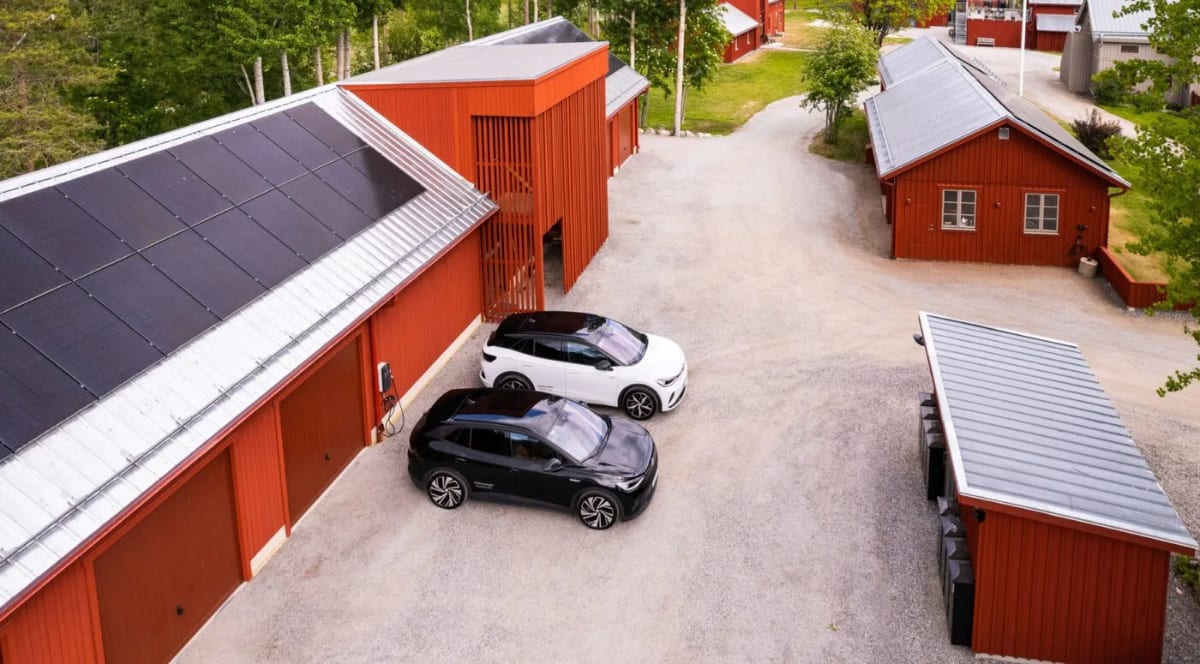
Here's what makes this exciting. When your EV isn't on the road, it could charge during sunny afternoons when solar power floods the grid and electricity is cheap. Then it could power your home during evening peak hours or sell energy back to the grid, putting money in your pocket.
The timing couldn't be better. Europe is racing to integrate more wind and solar power, but these sources produce electricity unpredictably. Millions of EVs acting as distributed batteries could smooth out those bumps, making renewable energy more reliable without building expensive new infrastructure.
The proposal bans one critical dealbreaker: manufacturers couldn't charge activation fees or hide V2G capability behind paywalls. If your car has the hardware, you get to use it. Period.
The Ripple Effect
This isn't just about Europe. When the EU sets vehicle standards, automakers tend to adopt them globally because building different versions for different markets costs too much. That means a V2G mandate in Brussels could accelerate the technology worldwide.
Imagine entire neighborhoods where parked EVs automatically balance the local grid, preventing blackouts and reducing the need for polluting backup power plants. Or apartment dwellers in cities earning passive income by letting their cars support the grid while they sleep.
Early pilot programs already show the potential. EV owners in trials have cut their charging costs by up to 80% while providing crucial flexibility to stressed power grids. Now regulators want to scale that from hundreds of cars to millions.
The voluntary label could arrive within months, giving automakers eight years to prepare for the 2032 mandate. That timeline gives the industry plenty of runway while creating certainty for investment in charging infrastructure and grid upgrades.
Critics might worry about battery wear, but modern EV batteries handle thousands of charge cycles with minimal degradation, and smart systems would protect battery health automatically.
By 2032, plugging in your EV could mean more than just charging up for tomorrow's commute—it could mean becoming part of the solution to climate change while saving money every month.
More Images
Based on reporting by CleanTechnica
This story was written by BrightWire based on verified news reports.
Spread the positivity!
Share this good news with someone who needs it