Europe Backs 2 New Lung Cancer Treatments for Patients
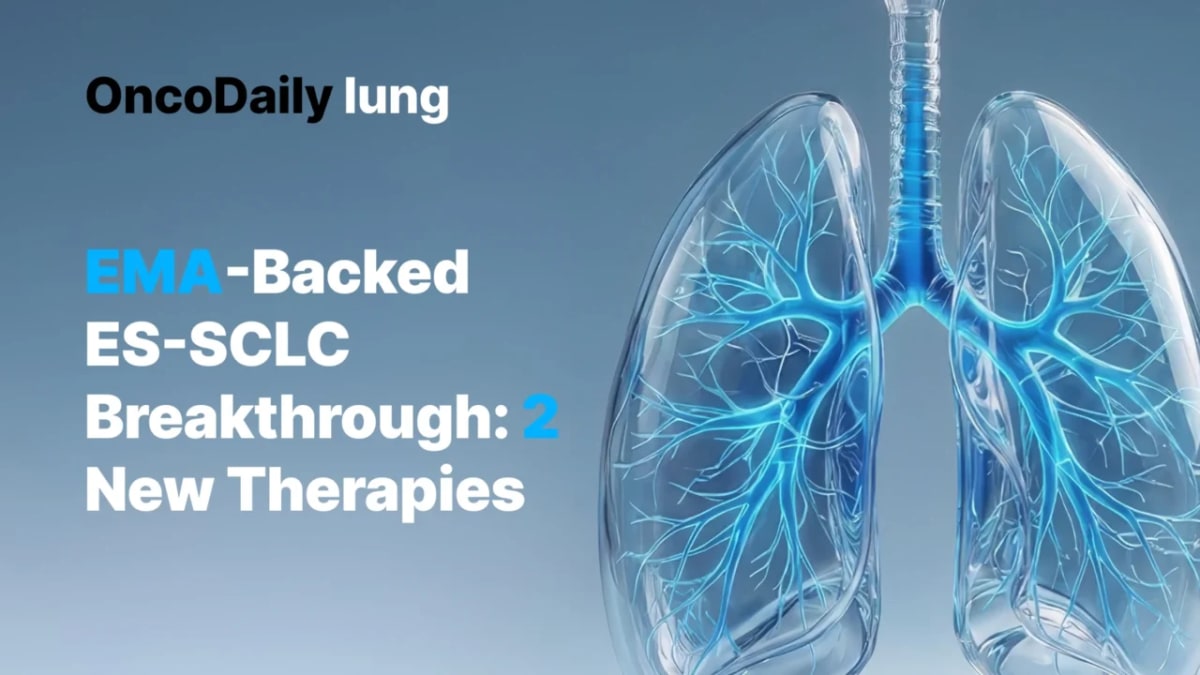
Two new therapies just won backing from European regulators to treat one of the deadliest forms of lung cancer. The treatments fill critical gaps that have frustrated doctors for decades.
📺 Watch the full story above
For patients battling extensive-stage small cell lung cancer, hope has been in short supply for far too long. This aggressive disease has resisted medical progress while other cancers saw dramatic improvements, leaving doctors with few good options when the cancer returns.
That's finally changing. The European Medicines Agency just recommended approval for two new treatments that address the biggest gaps in care: what to do when cancer comes back, and how to keep it away longer after initial treatment works.
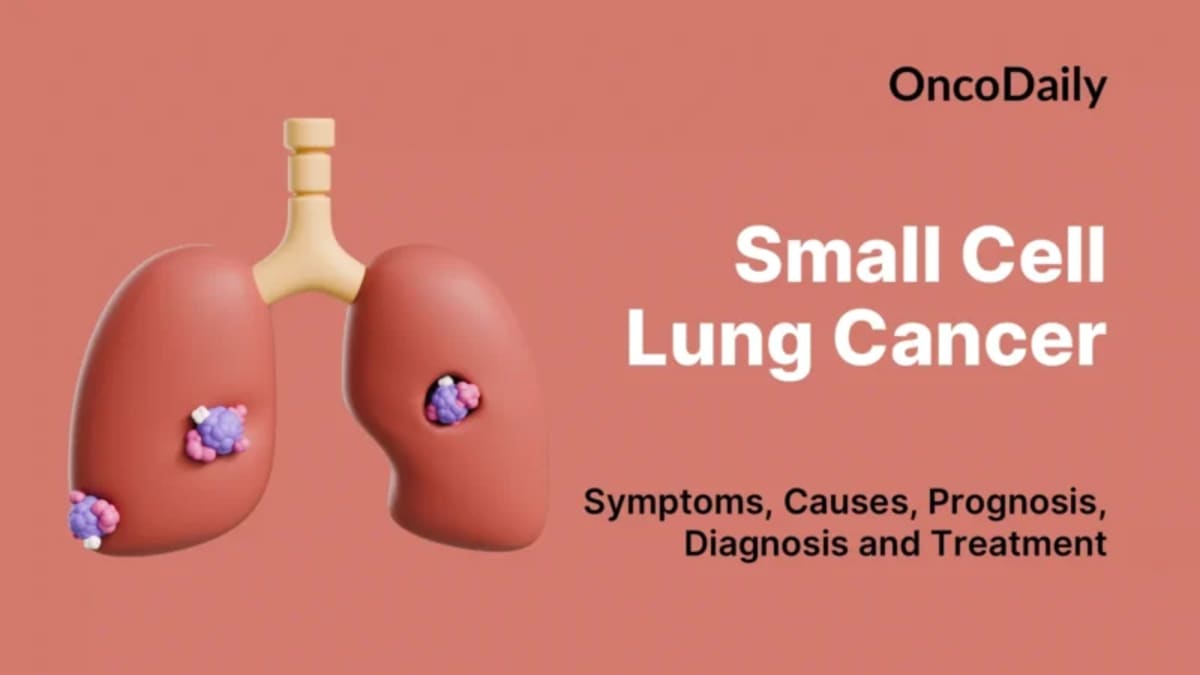
Small cell lung cancer affects about 15% of all lung cancer patients and spreads fast. Most people respond well to chemotherapy at first, but the cancer almost always returns within months. Until now, doctors could only watch and wait after that initial treatment, with few effective options ready when the disease progressed.
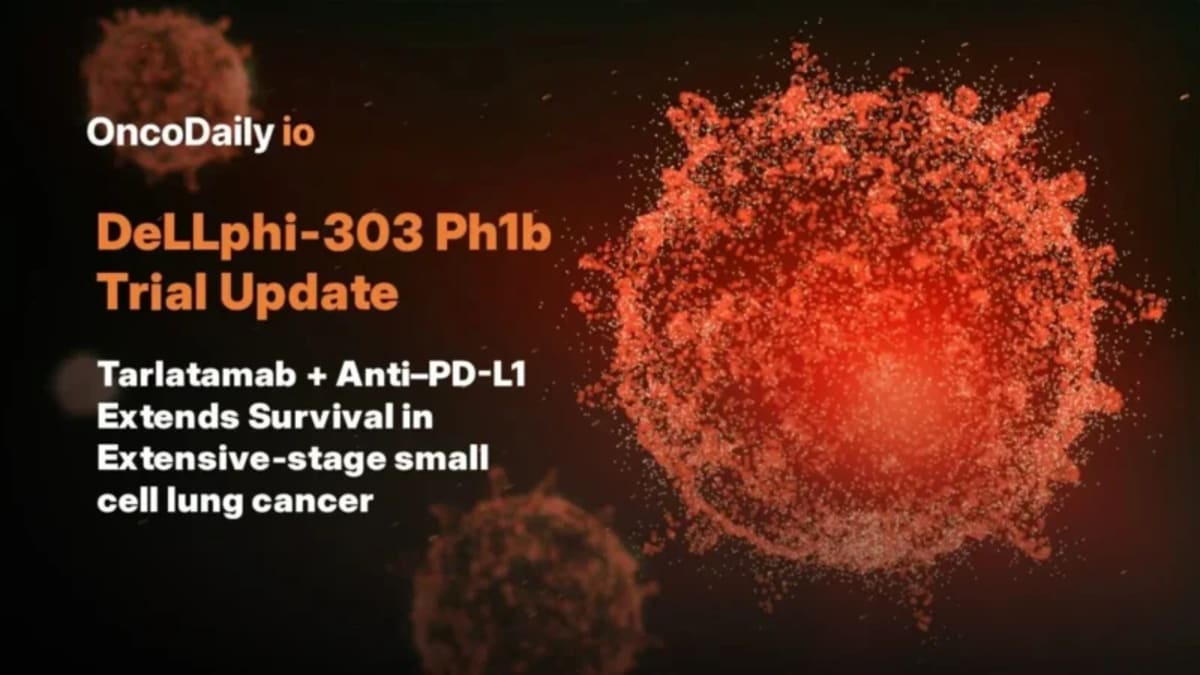
The first new treatment, tarlatamab, works differently than anything currently available. It acts like a bridge, connecting immune cells directly to cancer cells so the body's own defenses can attack the tumor. The drug targets a protein called DLL3 that shows up on cancer cells but rarely on healthy tissue, making it a smart target.
This matters especially for people whose cancer has come back after treatment. For these patients, the options have been limited to older chemotherapy drugs that rarely work well the second time around.
The second treatment, lurbinectedin, fills a different need. It gives doctors a way to maintain disease control after the initial treatment succeeds, rather than just waiting for cancer to return. This maintenance approach has worked well in other lung cancers but hasn't been available for small cell lung cancer until now.
Lurbinectedin works by interfering with processes cancer cells need to survive and multiply. It's already shown promise in treating relapsed disease, and now it could help prevent that relapse from happening as quickly.
Why This Inspires
These approvals represent more than just two new drugs on the shelf. They show that persistence pays off, even in diseases where progress has been painfully slow. Scientists kept searching for better answers when easier paths were available, and patients who participated in clinical trials made these breakthroughs possible.
For families facing this difficult diagnosis, these treatments mean more time and better quality of life. They mean doctors can finally offer something beyond "wait and see" after initial treatment. They prove that even the toughest cancers aren't beyond our reach when researchers refuse to give up.
Medical innovation continues finding new ways forward, one breakthrough at a time.
More Images
Based on reporting by Google News - New Treatment
This story was written by BrightWire based on verified news reports.
Spread the positivity!
Share this good news with someone who needs it