Europe's Apophis Mission Gets $177M Green Light for 2028
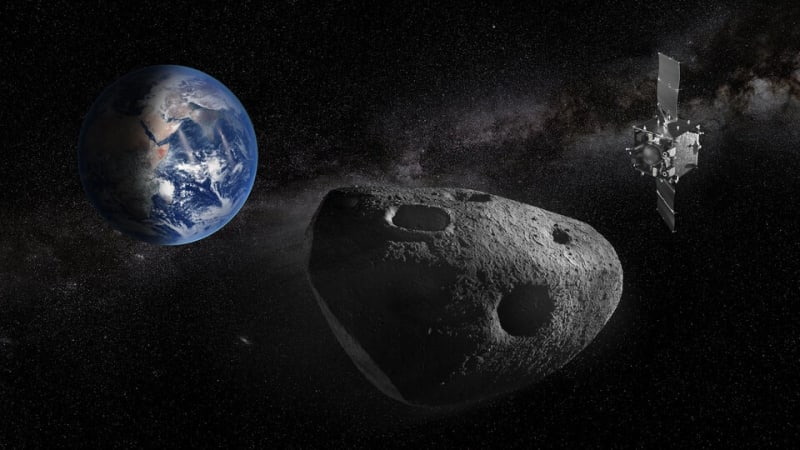
A space rock the size of five football fields will zip past Earth in 2029, closer than some satellites. Europe just approved a mission to meet it first and watch what happens when a massive asteroid gets up close and personal with our planet.
📺 Watch the full story above
In April 2029, asteroid Apophis will pass within 20,000 miles of Earth's surface, closer than many communications satellites orbit. Now Europe is sending a spacecraft to watch this cosmic close call unfold in real time.
The European Space Agency just gave final approval to RAMSES, a planetary defense mission launching in April 2028. The spacecraft will beat Apophis to the meeting point by six weeks, positioning itself to observe how Earth's gravity affects a large asteroid during a near miss.
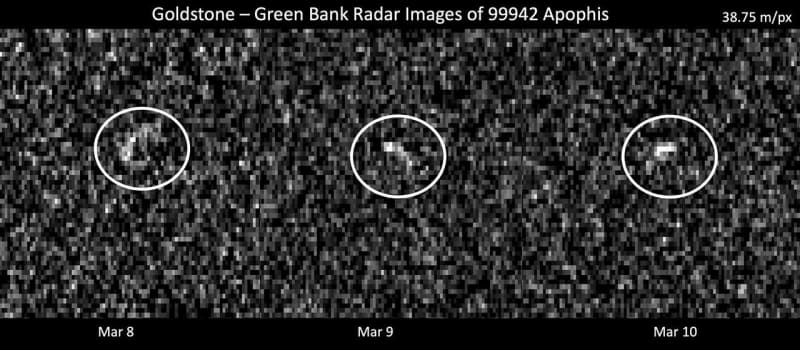
Apophis briefly earned the scary distinction of ranking highest on the Torino Scale, which measures asteroid impact threats. Scientists have since ruled out any collision risk, but the 1,500-foot-long space rock still offers a once-in-a-lifetime research opportunity.
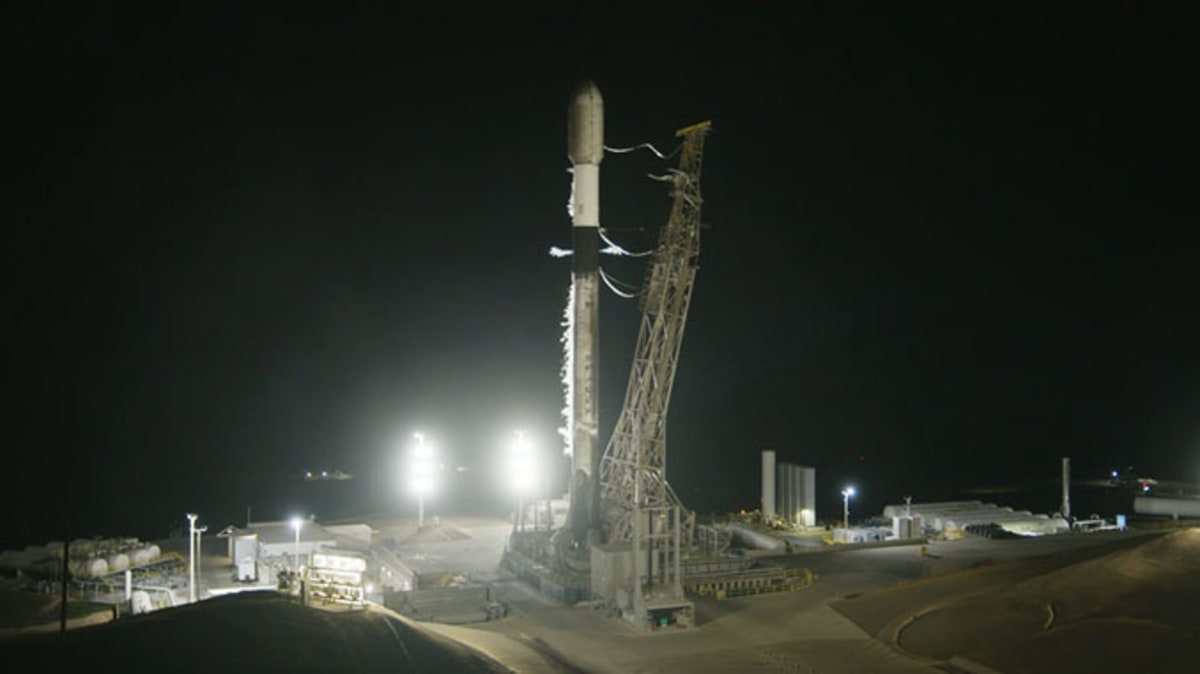
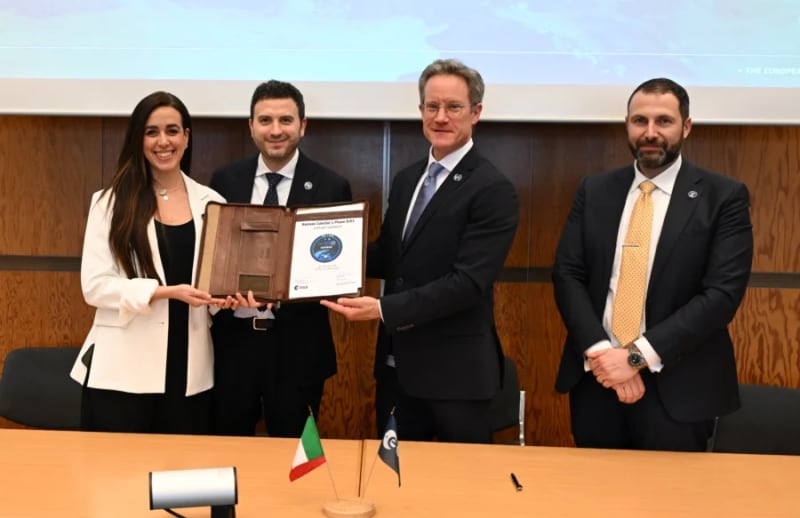
Italy's OHB space company received $177 million to build the spacecraft in record time. The mission passed its critical design review in February, keeping it on track for launch aboard a Japanese rocket from Tanegashima Space Center.
RAMSES will carry eight science instruments and two small CubeSats named Farinella and Don Quijote. Farinella will scan the asteroid's interior with radar, while Don Quijote will actually land on the surface to measure any quakes caused by Earth's gravitational pull.
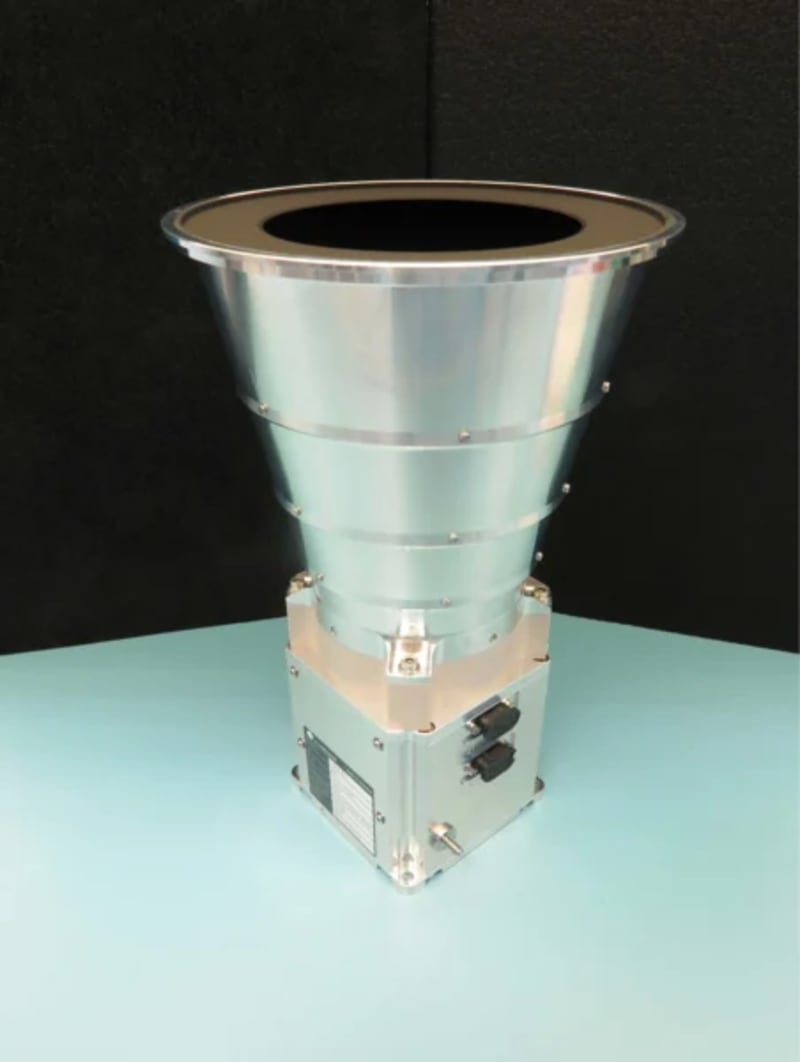
The spacecraft will image Apophis down to 1.5-centimeter resolution as it circles the asteroid. Japan is contributing thermal imaging equipment and solar arrays, plus their own mission called DESTINY+ that will photograph Apophis before RAMSES arrives.
NASA's OSIRIS-APEX spacecraft will join the party too, landing on Apophis right after its Earth flyby. Between the two missions, scientists will get unprecedented before-and-after data on how planetary encounters reshape asteroids.
Why This Inspires
This mission represents planetary defense done right. Instead of panicking about potential threats, scientists are turning a close call into a learning opportunity that could protect Earth for generations.
If Apophis were on a collision course, the data RAMSES collects could teach us how to deflect similar asteroids. The mission proves we're not helpless against cosmic threats, we're getting smarter and more prepared.
For skywatchers in Europe, Africa, and western Asia, Apophis will appear as a bright star moving across the sky on April 13, 2029. You might be able to see it without a telescope, watching alongside spacecraft as Earth and asteroid pass like ships in the night.
RAMSES transforms what could have been a disaster scenario into a moment of scientific triumph, showing how curiosity and preparation turn fear into knowledge.
More Images

Based on reporting by Sky & Telescope
This story was written by BrightWire based on verified news reports.
Spread the positivity!
Share this good news with someone who needs it