Farmers Merge Solar Panels With Crops to Cut Emissions
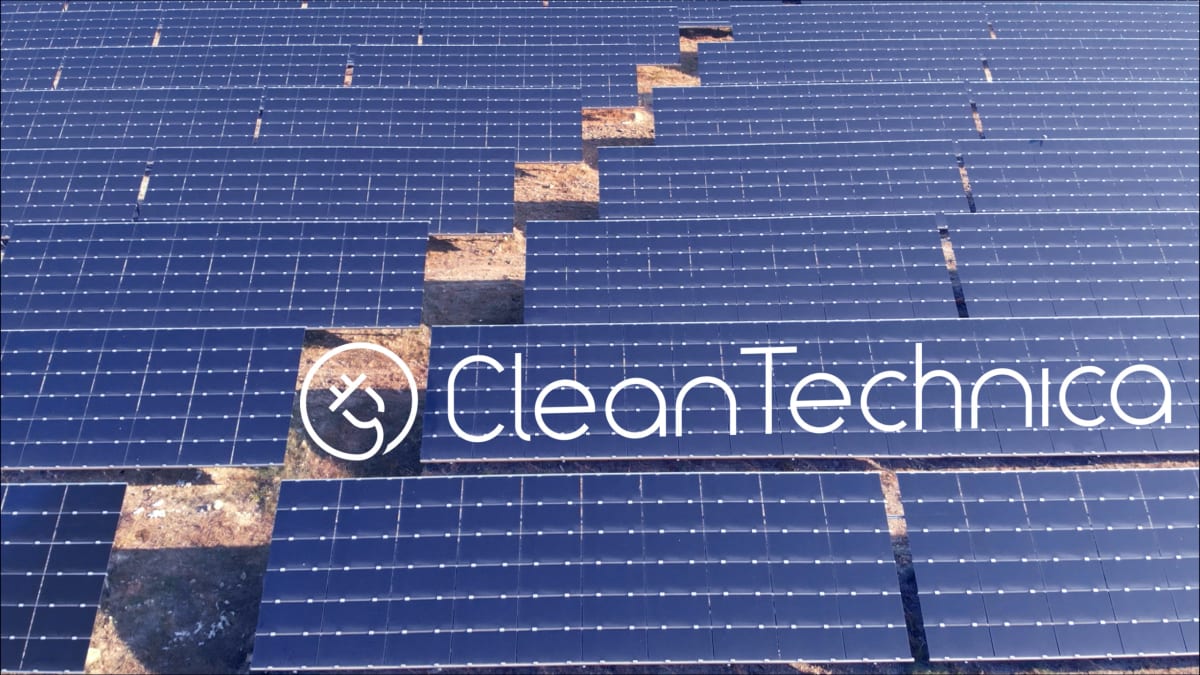
A growing movement in agriculture is proving farms can feed people and fight climate change at the same time. Small farms are installing solar panels alongside crops in a system called agrivoltaics, creating energy while growing food.
📺 Watch the full story above
Small farms around the world are discovering they can grow food and generate clean energy on the same land, offering hope for an industry responsible for nearly a third of global emissions.
The practice is called agrivoltaics, and it's exactly what it sounds like. Farmers install solar panels directly in their fields, creating a partnership between crops and clean energy that benefits both. The panels provide shade for plants while generating electricity, and the crops keep the ground cool, making the panels more efficient.
This matters because agriculture faces a massive challenge. The World Resources Institute reports that 800 million people face hunger today, and the world needs 56% more food by 2050 to feed everyone. At the same time, farming uses half of the world's vegetated land, consumes 70% of freshwater, and generates nearly a quarter of greenhouse gas emissions.
The problem goes deeper than tractors and processing plants. Everything from fertilizers to refrigeration to transporting food to your table relies on energy-intensive systems. These supply chain emissions, called Scope 3 emissions, account for roughly 80% of agriculture's carbon footprint.
But solving this won't happen with technology alone. A groundbreaking paper published in Advances in Nutrition in March 2026 reveals that transforming food systems requires a completely new approach to sharing scientific knowledge.
Researchers are learning that peer-reviewed academic journals don't reach the people who need the information most. Farmers, nutritionists, and local policymakers need practical guidance in plain language, not technical jargon. The solution requires bringing together different types of knowledge, from physical science to indigenous practices, tailored to local cultures, economies, and environments.
The research team emphasizes partnering directly with communities and people who understand the food system from lived experience. What works in one region might fail in another because local political environments, geography, and cultural values shape how solutions can be implemented.
The Ripple Effect
When farmers adopt practices like agrivoltaics, the benefits spread far beyond their property lines. Cleaner energy reduces emissions. Healthier soil supports biodiversity. Less chemical runoff protects water sources and aquatic life. And successful local examples inspire neighboring farms to try similar approaches.
The path forward connects climate action with food security and human health. By making scientific knowledge accessible and respecting local wisdom, communities can build food systems that nourish both people and the planet.
Based on reporting by CleanTechnica
This story was written by BrightWire based on verified news reports.
Spread the positivity!
Share this good news with someone who needs it