Google's New AI Lets Humanoid Robots Walk, Tie Knots, Work Together
Google DeepMind just unveiled robots that can control their entire bodies, master delicate finger movements, and collaborate as teams. This breakthrough brings us closer to helpful humanoid assistants in homes and workplaces.
📺 Watch the full story above
Robots just learned to move like never before, and the future of helpful home assistants suddenly feels within reach.
Google DeepMind launched Gemini Robotics 2 last week, and it's teaching humanoid robots skills that seemed like science fiction just months ago. The new AI model gives robots full control over their entire bodies, not just their arms.
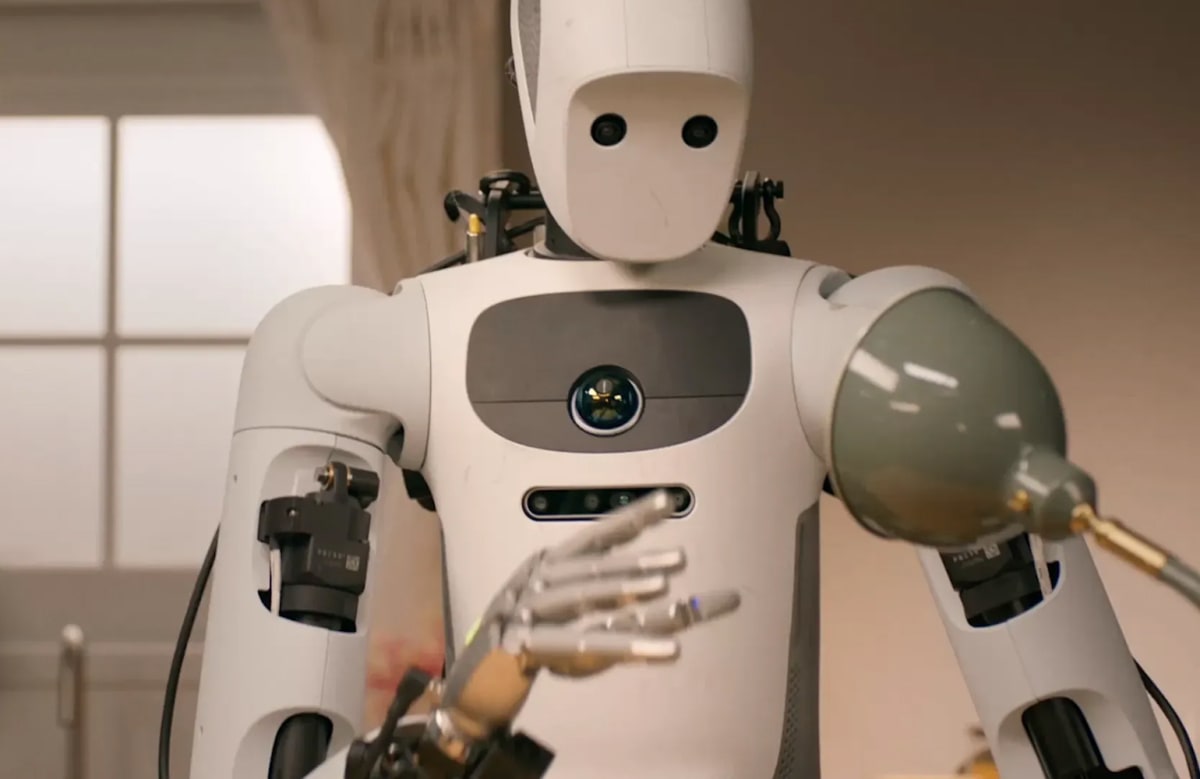
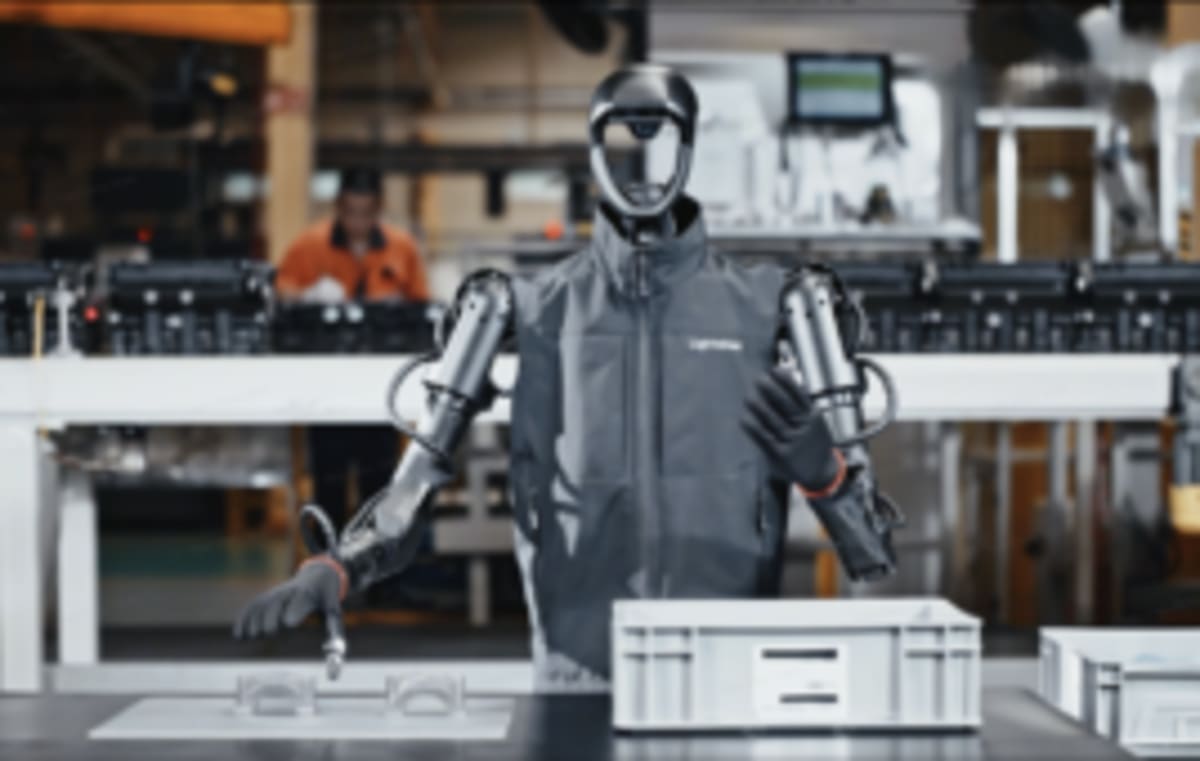
In demonstrations, Apptronik's Apollo 2 humanoid walked across a room, picked up a watering can, and placed it precisely on a bottom shelf. The robot understood the instruction, planned its movements, and coordinated its whole body to complete the task.
But walking is just the beginning. The same system now controls a five-fingered robotic hand with 22 moving parts, giving robots the dexterity to tie knots and seal ziplock bags. These are the kinds of delicate movements humans do without thinking but have stumped robots for decades.
DeepMind also solved another real-world challenge: getting robots to work together. The new system lets different types of robots communicate and collaborate on complex tasks that one robot couldn't handle alone. Imagine a team of robots working together to clean and organize a cluttered space, each contributing their unique abilities.
The AI can even adapt to completely new robot bodies in just a few hours with less than 200 examples. This flexibility means the technology could work across different robot designs without starting from scratch each time.
For longer tasks requiring hundreds of decisions over several minutes, a companion model called Gemini Robotics ER 2 acts as the robot's brain. It processes instructions, tracks progress, self-corrects mistakes, and communicates with humans throughout the process.
The Ripple Effect
This breakthrough ripples far beyond factory floors. DeepMind built safety into the core design, teaching robots to detect when humans are nearby and stop if someone gets too close. The company created new benchmarks for measuring how well robots handle uncertainty and refuse unsafe commands.
The technology is already available to early partners, with some versions accessible through Google AI Studio. While DeepMind acknowledges robots still need to move faster, the foundation is now in place for machines that can genuinely help in our daily lives.
From carrying groceries to organizing spaces to assisting people with mobility challenges, robots with human-like coordination and dexterity could transform how we live and work. The dream of helpful home robots just took its most convincing step forward yet.
More Images

Based on reporting by The Robot Report
This story was written by BrightWire based on verified news reports.
Spread the positivity!
Share this good news with someone who needs it