Guam Brings 40+ Experts Together to Restore Island Forests
Over 40 land managers on Guam are joining forces to bring the island's forests back to life using science-backed restoration methods. They've already identified 50 native tree species perfect for healing fire-damaged and degraded lands.
📺 Watch the full story above
Guam's forests are getting a major lifeline thanks to dozens of experts who refuse to give up on the island's natural beauty.
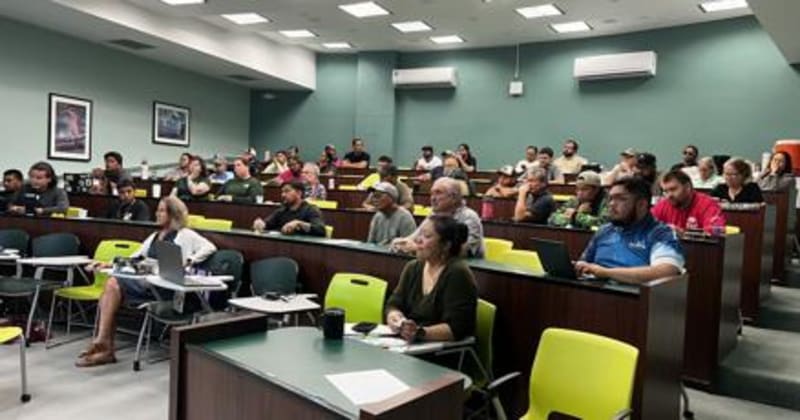
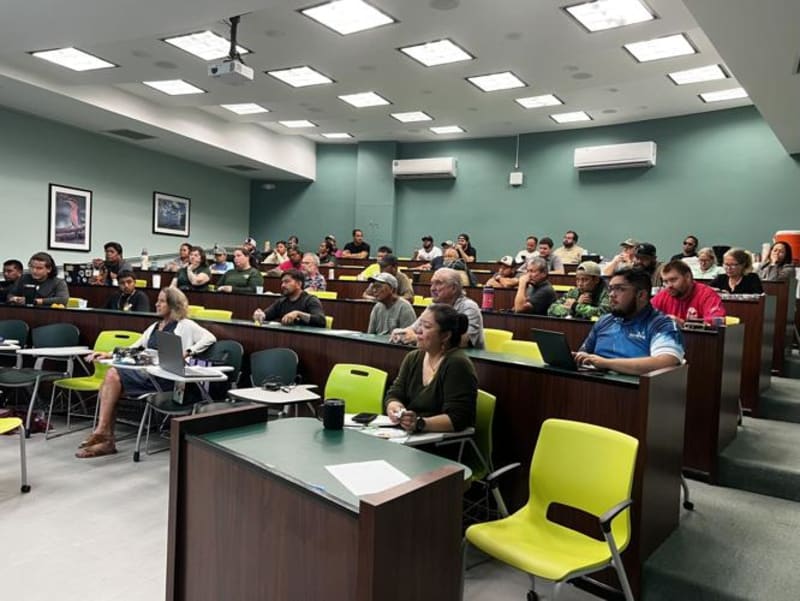
More than 40 land management professionals gathered at the University of Guam on January 7 to tackle one of the island's biggest environmental challenges. Their mission: figure out how to restore forests that have been damaged by wildfires, invasive species, and climate change.
The workshop brought together people from multiple agencies including the Guam Department of Agriculture, The Nature Conservancy, and the USDA Forest Service. They weren't just talking about problems. They were rolling up their sleeves to find real solutions.
The team identified nine major challenges threatening Guam's forests, from soil erosion and drought to the loss of birds and bats that naturally spread seeds. Instead of feeling overwhelmed, participants broke into working groups and got creative about which native trees could solve each problem.
The results were impressive. Together, they identified more than 50 native species that could thrive in different conditions across the island. For fire-prone areas, they picked trees with thick bark and dense wood that can bounce back quickly after damage.
The workshop was led by two forest ecologists who've successfully restored landscapes across Hawaii and other Pacific Islands. Research ecologist Susan Cordell and tropical forest ecologist Rebecca Ostertag guided participants through a functional trait approach, matching the right trees to the right locations based on science.
The collaboration goes beyond sticky notes and brainstorming sessions. The team is building a comprehensive database of functional traits for Guam's native species. This tool will help future land managers choose the best trees for any restoration project.
Even better, a demonstration restoration plot will be established by the end of 2026. Researchers will monitor it for 10 years to see how well these native species hold up against fires, storms, and other disturbances.
The Ripple Effect: This project does more than plant trees. By stabilizing soils and improving water quality, restored forests will protect Guam's streams and coastlines. Native biodiversity will bounce back as forests provide habitat for endangered species. And as these forests grow, they'll store carbon and help the island adapt to climate change. The functional traits database being created will serve as a blueprint that other Pacific Islands can use for their own restoration efforts.
Forty people showed up because they believe Guam's forests can heal, and now they have a roadmap to make it happen.
More Images

Based on reporting by Google News - Reforestation
This story was written by BrightWire based on verified news reports.
Spread the positivity!
Share this good news with someone who needs it