Hawaii Boosts Film Industry with $60M Tax Credit Expansion
Hawaii just turbocharged its film industry with new tax credits that reward local hiring and welcome streaming productions. The move promises thousands of jobs while putting Hawaiian stories on screens worldwide.
📺 Watch the full story above
Hawaii is rolling out the welcome mat for filmmakers in a big way, and the payoff could transform the islands' economy for decades to come.
Governor Josh Green signed two bills into law this week that modernize Hawaii's film tax credit system, raising the annual cap to $60 million and offering new incentives for productions that hire local talent. The changes mark the biggest boost to the state's film industry since 1997, when the original tax credit program launched.
The headline grabber? Productions that hire at least 80% local workers now get an extra 5% tax credit. Individual projects can claim up to $20 million in credits, and blockbusters spending more than $60 million get unlimited access.
The timing couldn't be better. Streaming platforms have exploded in the past few years, but Hawaii's old rules didn't account for them. The new law fixes that, opening the door for Netflix, Apple TV+, and other services to shoot original content in the islands.
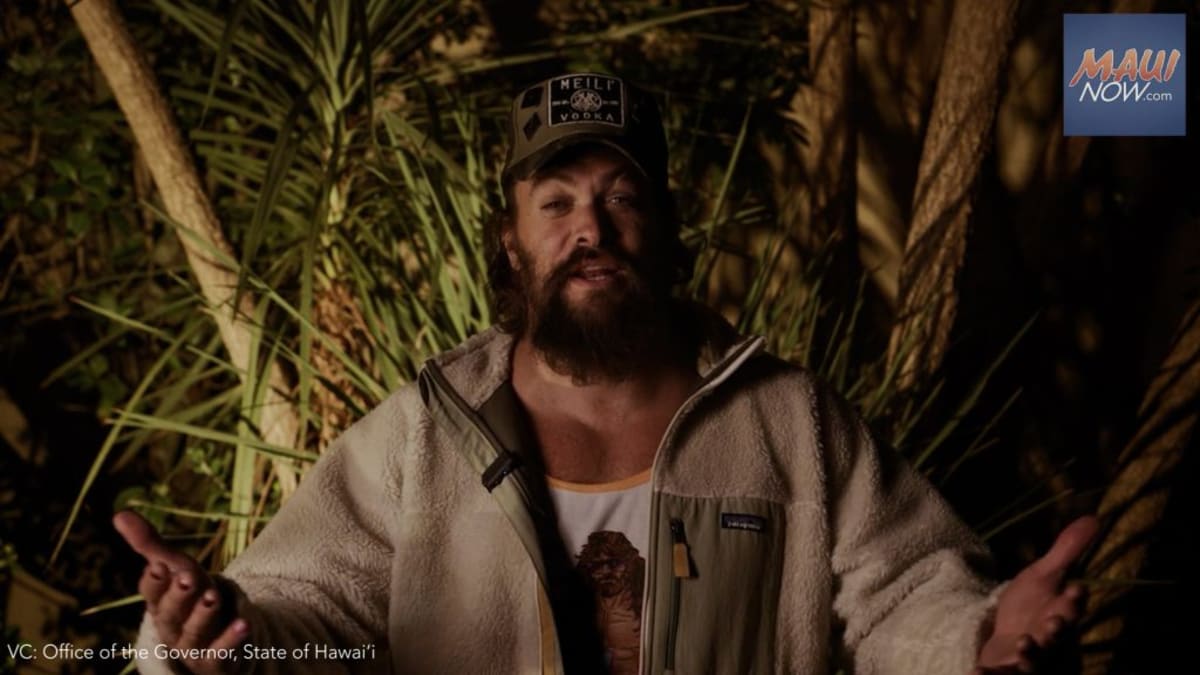
"We've always had the talent, the culture and the stories," said actor Jason Momoa, who filmed his series "Chief of War" in Hawaii. "What we've needed is the opportunity to tell them here at home."
The Ripple Effect
When film crews arrive on island, they don't just hire actors and directors. They book hotels, eat at restaurants, rent equipment from local vendors, and hire drivers, caterers, and construction workers. Every production dollar creates ripples through the entire community.
The economic impact reaches beyond the obvious. Local crew members gain experience on big-budget productions, building skills that keep them employed long-term. Young Hawaiians see themselves represented in professional filmmaking, opening career paths that didn't seem possible before.
Senator Lynn DeCoite, who championed the legislation, sees it as economic diversification in action. Hawaii's economy has leaned heavily on tourism for generations. A thriving film industry creates good-paying jobs that don't depend on visitor arrivals.
The law also protects productions from certain taxes on employment costs, making Hawaii more competitive with states like Georgia and New Mexico that have become filming hotspots. The sunset date extends to 2038, giving the industry stable, long-term certainty to plan major projects.
Any unused portion of the annual $60 million cap rolls over to the next year, ensuring the money goes to actual productions rather than disappearing from the budget.
A second bill signed the same day establishes a blue economy office within the Hawaii Technology Development Corporation, diversifying the state's economic base even further by supporting ocean-related industries.
Hawaiian filmmakers now have the resources to tell their own stories on their own land, sharing island culture with global audiences while building lasting careers at home.
Based on reporting by Google News - Economic Growth
This story was written by BrightWire based on verified news reports.
Spread the positivity!
Share this good news with someone who needs it