Illinois Mental Health Courts Help 50% Avoid Prison
Mental health courts in Illinois are offering treatment instead of jail time for people with mental illness. While half of participants graduate and transform their lives, advocates say the program needs better funding and wider access.
📺 Watch the full story above
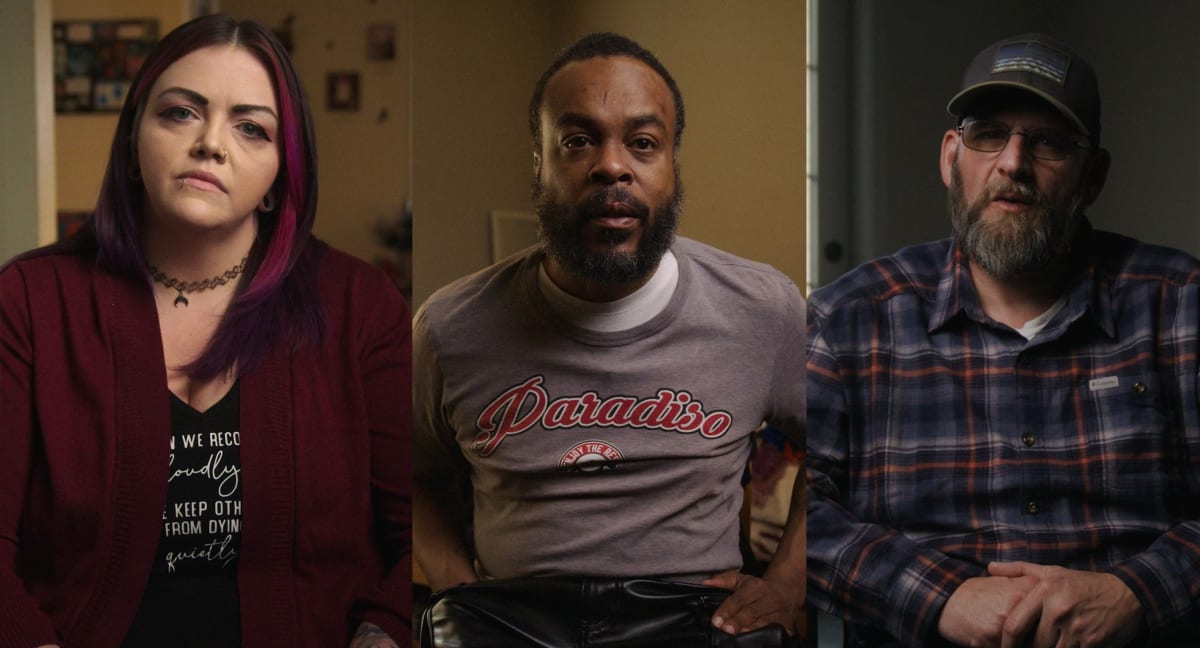
Shayla Woodworth woke up in a stolen car surrounded by police with guns drawn, facing prison time that could have separated her from her children forever. Instead, she got a second chance through Illinois mental health courts, a program that offers treatment and supervision instead of incarceration for people struggling with mental illness.
Mental health courts have spread across Illinois over the past two decades, aiming to break expensive cycles of repeat incarceration. The programs typically last one to two years and require regular court appearances, counseling, and drug tests while participants receive community-based mental health treatment.
The stakes are high. Illinois prisons hold about 30,000 people each year at a cost of $1.5 billion, and nearly half have a history of mental illness. One Illinois program estimates it has saved the state nearly half a billion dollars by keeping people out of prison over the past 15 years.
Woodworth successfully completed her program and says it transformed her life. She's reconnected with her children and built stability she never thought possible.
But her success story isn't universal. Most applicants are rejected because of prior offenses or disqualifying factors. Of those accepted into programs, only about half graduate.
The process demands dedication. Participants must navigate regular appointments, strict medication compliance, and random testing while often dealing with poverty, unstable housing, and limited transportation. Some withdraw voluntarily, while others are removed for new offenses or refusing treatment.
Sean Buchanan was cut from his program after struggling with medication compliance. "I was abusing my medicine, really, and that led to my downfall," he said.
Nearly two million Illinoisans live in areas without access to mental health courts at all. The state's judiciary doesn't publish annual reports on these programs, making it hard for the public to track outcomes or hold courts accountable.
The Bright Side
Despite imperfect results, mental health courts are connecting thousands of people with intensive treatment they might never receive otherwise. Bill Blundell, problem-solving court manager for the Administrative Office of the Illinois Courts, acknowledges challenges but emphasizes the wins.
"People are getting the help that they need at a much more intense rate than they may if they were just on regular probation or they were incarcerated," Blundell said.
Advocates view the courts as an important stopgap while Illinois builds better mental health infrastructure. Tony Ohlhausen, director of research and policy with the Illinois chapter of the National Alliance on Mental Illness, calls them "a band-aid" on systemic problems but acknowledges they do help people.
For the thousands who do graduate each year, the courts offer something invaluable: a chance to rewrite their story instead of repeating it behind bars.
More Images


Based on reporting by Google News - Mental Health Success
This story was written by BrightWire based on verified news reports.
Spread the positivity!
Share this good news with someone who needs it