Indian Village Sweeps Streets 3x Daily, Bans Plastic
In Babojola, Odisha, 70 families have turned cleanliness into a daily ritual, sweeping streets three times a day and fining litterers for over 15 years. What started with one teacher's vision became a self-sustaining community norm that proves culture change beats campaigns.
📺 Watch the full story above
What happens when an entire village decides clean streets aren't someone else's job?
In Babojola, a tribal village in Odisha's Mayurbhanj district, residents sweep their streets three times every single day. They've done this for 15 years, not because of government pressure or special funding, but because they decided cleanliness was non-negotiable.
The transformation began with Madhusudan Marandi, a local schoolteacher who envisioned his village as a model of cleanliness. Instead of lecturing his neighbors, he invited them to build something together.
The community responded by forming a cleanliness club and creating their own rules. Plastic is banned. Smoking, spitting, and chewing tobacco are prohibited. Waste gets sorted and composted at the source.
They pooled money to install CCTV cameras, dustbins, and solar panels. Tourists who litter face fines, just like residents would.
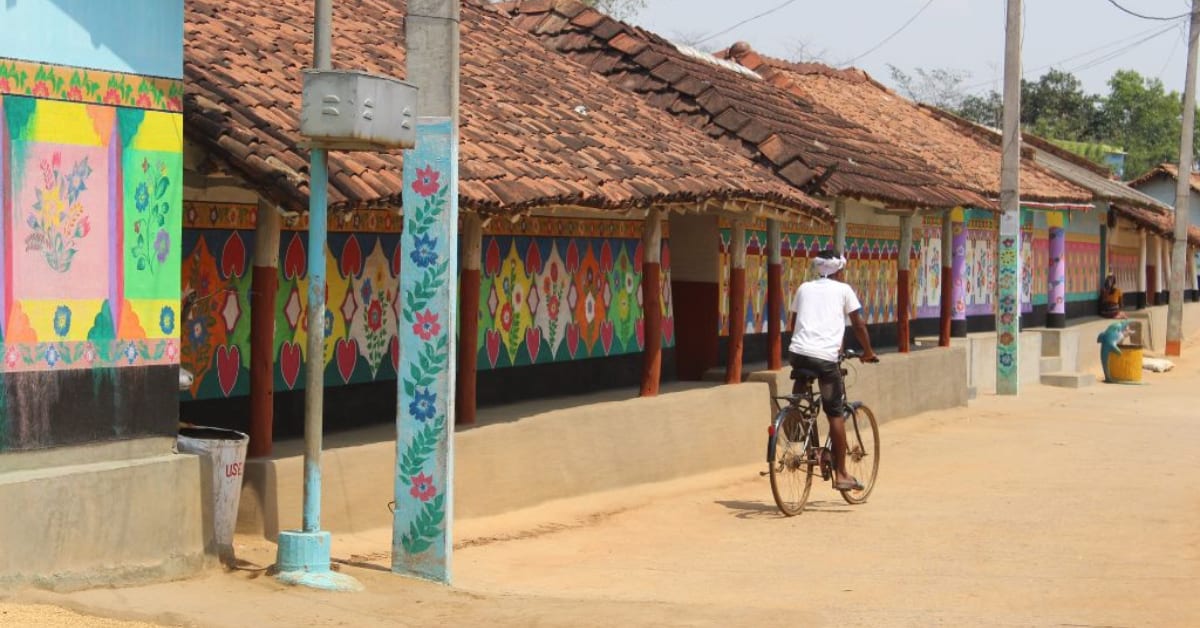
The village of 70 families sits in Mayurbhanj district, where thatched-roof homes display intricate wall art called Bhit Potaw. Women create these patterns of flowers, leaves, and animals using materials they gather themselves: riverside clay, stones, tree bark, and flowers.
The Ripple Effect
Babojola's approach reveals something campaigns often miss. Infrastructure and slogans can only accomplish so much without daily behavior change.
The village didn't wait for an annual cleanup drive or government initiative. They made cleanliness as routine as cooking dinner, sweeping common areas three times daily until it became automatic.
Visitors now arrive expecting to see spotless streets. The rules apply equally to everyone, outsider or resident.
India has spent years running national cleanliness campaigns, but Babojola found a different path. One teacher started talking. Villagers organized themselves. They created simple rules, raised modest funds, and repeated the same practices until they stopped feeling like practices at all.
The lesson isn't complicated: real change happens when communities decide what they want their home to look like and then show up for it every single day. No complicated systems required, just consistent action and shared expectations.
Babojola proves that sustainable change doesn't need massive budgets or government mandates—it needs people who care enough to sweep the same street three times a day until clean becomes normal.
More Images
%2Fenglish-betterindia%2Fmedia%2Fmedia_files%2F2026%2F09%2F21%2Fodisha-2026-09-21-09-08-40.png)
%2Ffilters%3Aformat(webp)%2Fenglish-betterindia%2Fmedia%2Fmedia_files%2F2026%2F09%2F21%2Fodisha-1-2026-09-21-09-11-28.png)
Based on reporting by The Better India
This story was written by BrightWire based on verified news reports.
Spread the positivity!
Share this good news with someone who needs it