Jakarta Deploys Locally Built Electric Buses Daily
Indonesia's capital is building electric buses at home instead of importing them, creating a blueprint for Southeast Asian cities. Over a million daily riders now have access to cleaner transit while local workers gain new technical skills.
📺 Watch the full story above
Jakarta just proved that a megacity can electrify its massive transit system without waiting for foreign manufacturers to ship in finished products.
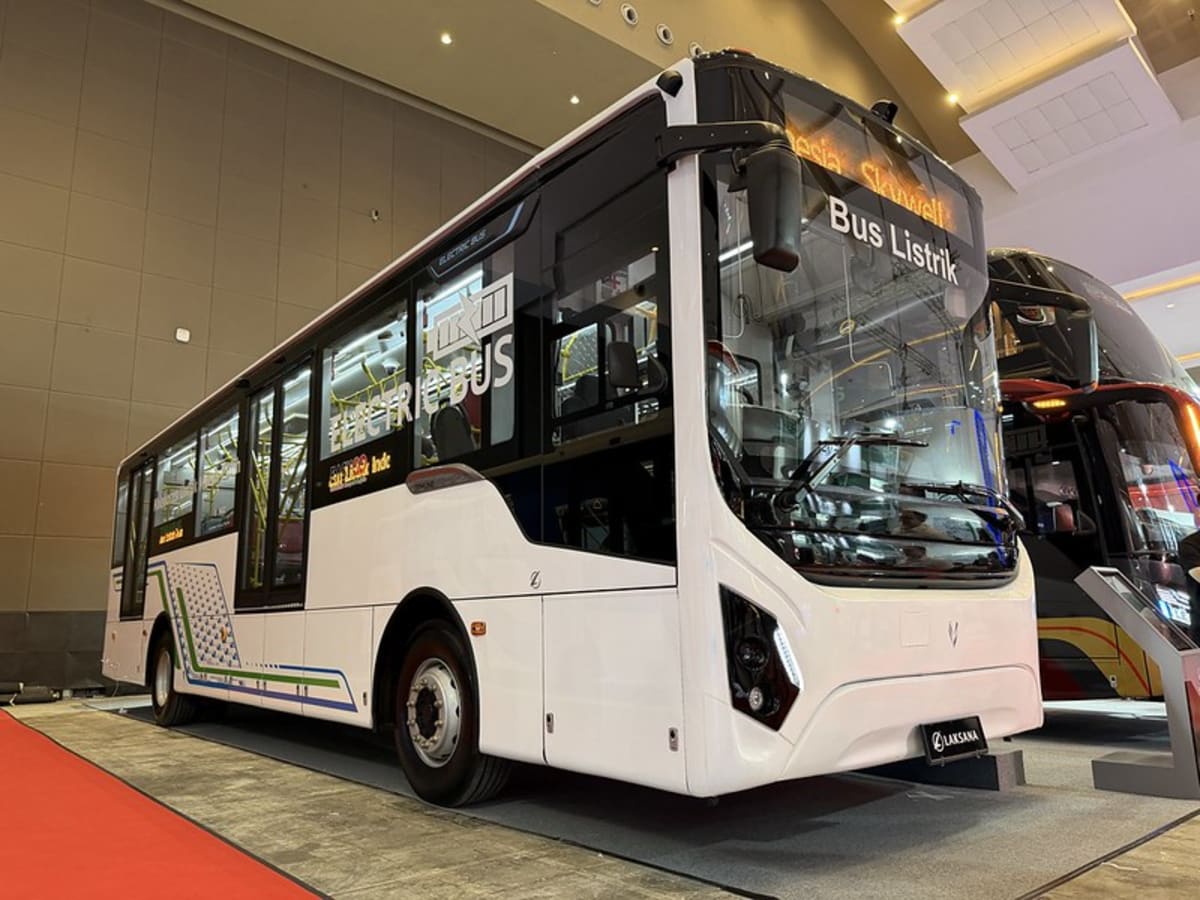
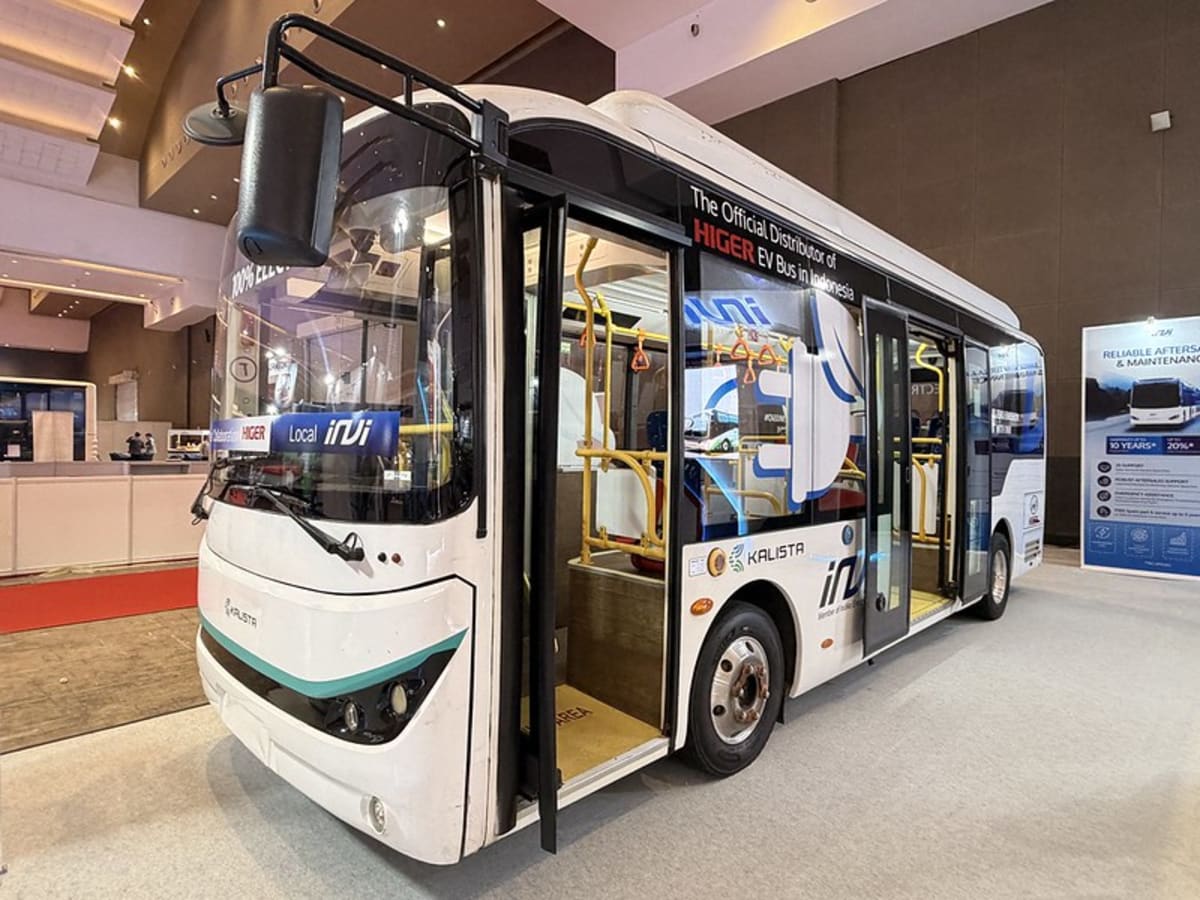
The capital's Transjakarta network started running 15 locally assembled electric buses in late 2025, marking a major shift in how Southeast Asian cities approach clean transit. Indonesian coachbuilder Karoseri Laksana partnered with local EV company VKTR to build the buses at a plant in Central Java, using imported chassis but adding bodies designed specifically for Jakarta's demanding routes.
The timing couldn't be better. Transjakarta moves over one million passengers every single day, making it one of the world's busiest rapid transit systems. City officials want the entire fleet running on electric power by 2030, and they're building the industrial capacity at home to make it happen.
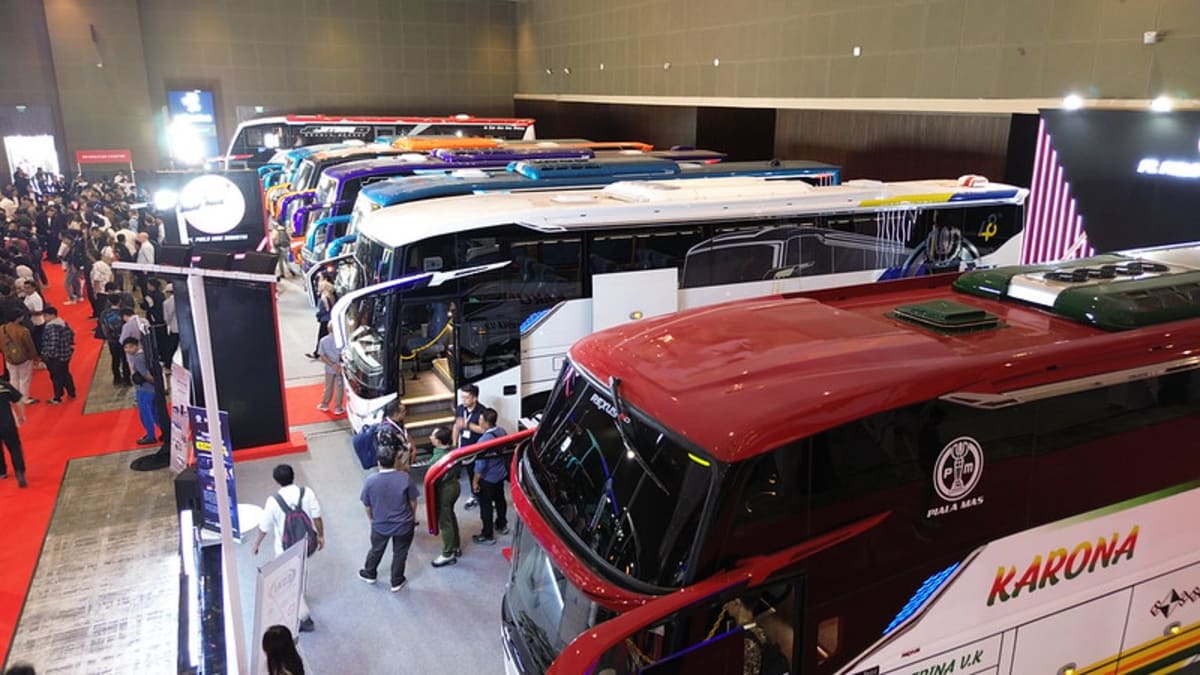
At Busworld Southeast Asia in May, the momentum became impossible to ignore. Over 5,000 attendees from 41 countries saw 25 zero-emission vehicles on display, with Indonesian bodybuilders proving they can match international engineering standards. PT Tentrem Sejahtera won top design honors for its sleek E-Velocity W1, built specifically for high-capacity urban routes.
The electrification wave is spreading beyond public transit. Laksana unveiled an electric intercity coach that will serve as the team bus for Jakarta's professional soccer club Persija, making it the first Indonesian sports team to go fully electric for travel.
Global manufacturers are adapting to this new reality. Chinese busmaker Xiamen Golden Dragon announced plans for range-extended electric buses designed for Indonesia's long-haul routes and inter-island ferry connections. German manufacturer MAN Truck & Bus made its regional debut, working directly with local bodybuilders to adapt premium chassis for future electric builds.
The Ripple Effect
The shift to local assembly is creating technical jobs across Indonesia's manufacturing sector. INVI, a major ecosystem provider, launched the INVI Technician Academy to train mechanics who can work on high-voltage systems. The Transjakarta Academy is using the transition to recruit and train more female technicians and drivers, bringing better gender balance to an industry that serves a commuter base where women make up a significant share.
By mid-July, three major Transjakarta operators signed agreements to deploy 12-meter electric buses through a Fleet-as-a-Service model, tackling the financial barriers that often slow down electrification efforts. The expansion is already reaching beyond Jakarta, with electric bus deployments starting in West Kalimantan.
Neighboring cities across Southeast Asia are watching closely, knowing that if Jakarta can electrify a system this massive, the roadmap works for everyone.
More Images


Based on reporting by CleanTechnica
This story was written by BrightWire based on verified news reports.
Spread the positivity!
Share this good news with someone who needs it