Kazakhstan Brings Wild Tigers Back After 70 Years
For the first time in seven decades, tigers are returning to Kazakhstan's wilderness as the nation transforms from protecting endangered species to rebuilding entire ecosystems. The country's wildlife numbers tell a stunning recovery story, with nearly 4 million saiga antelope now roaming the steppes.
📺 Watch the full story above
Kazakhstan just released a tiger into the wild for the first time since the species vanished in the 1950s, marking a dramatic shift in how the Central Asian nation approaches conservation.
The numbers paint a remarkable picture of recovery. Kazakhstan's 2025 wildlife census recorded nearly 4 million saiga antelope, up from catastrophic lows just decades ago. The country also counted 16,122 goitered gazelles, 4,702 kulans (wild donkeys), and 17,604 argali sheep, all species that were once threatened with extinction.
But counting animals is just the beginning. Kazakhstan is now focused on bringing back species that completely disappeared from its landscapes, restoring not just wildlife but entire ecosystems.
The tiger project shows how ambitious this vision has become. Before releasing any tigers, conservationists spent years preparing the Ile-Balkhash State Nature Reserve by reintroducing prey animals like kulans, gazelles, and wild boars. They rebuilt the foundation of the food chain first, then brought back the apex predator.
Officials are using Amur tigers as stand-ins for the extinct Turanian tiger, their closest genetic relative. The strategy recognizes that you can't just drop animals into empty habitat and hope they survive.
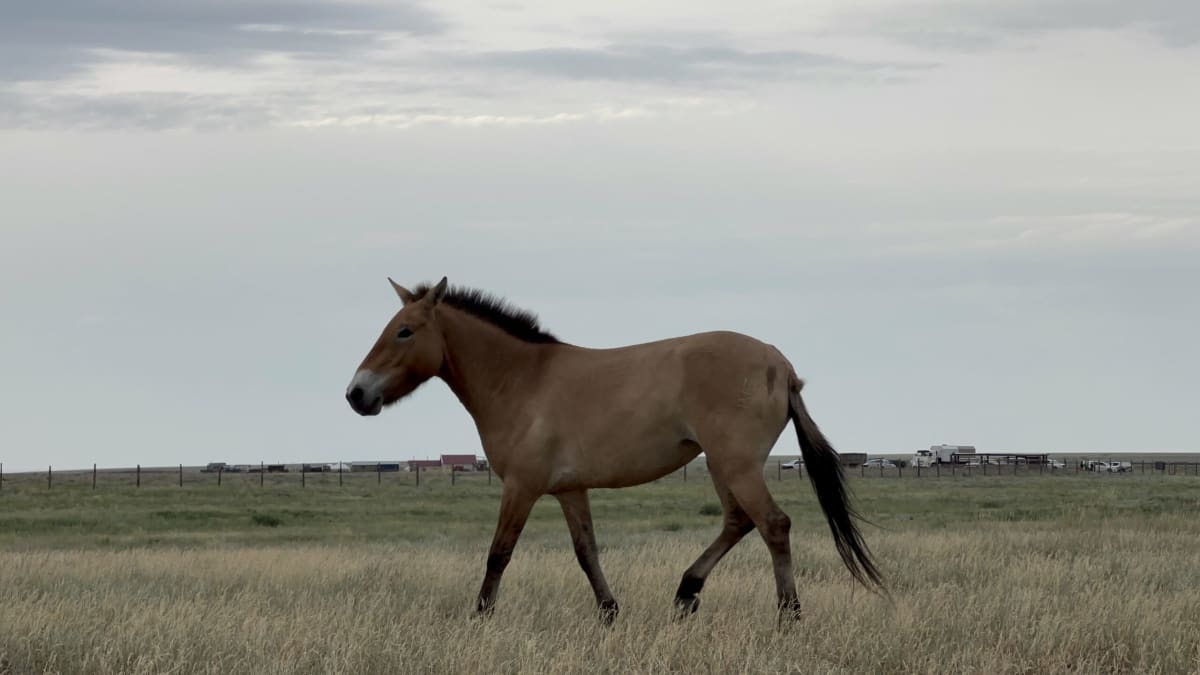
The same careful approach guides the Przewalski's horse program. These stocky, striped horses are the last truly wild horses on Earth, and they once roamed Kazakhstan's steppes freely. Now 14 live in the Altyn Dala State Nature Reserve, with plans to bring 40 more by 2029.
Conservation teams have also relocated 66 kulans to two different reserves, spreading the population to reduce risk. Meanwhile, camera traps continue capturing encouraging signs: a rare Pallas's cat in Charyn National Park, Tien Shan brown bears in Kolsai Lakes, snow leopards in mountain reserves.
The Ripple Effect: Large plant-eating animals like horses and kulans don't just survive in ecosystems. They shape them. Their grazing patterns influence plant growth, which affects insects, birds, and smaller mammals. Predators like tigers need healthy prey populations, which need healthy grasslands and forests. By rebuilding these connections, Kazakhstan is creating conditions where entire biological communities can flourish again, not just individual species on life support.
The country has moved beyond emergency rescue mode into true restoration, proving that vanished wildlife can come home when we commit to healing the land that sustains them.
Based on reporting by Google News - Wildlife Recovery
This story was written by BrightWire based on verified news reports.
Spread the positivity!
Share this good news with someone who needs it