Kenya's EV Bikes Hit 50,000 as Local Firms Go Global
Kenya's electric motorcycle revolution just reached a major milestone: 50,000 bikes on the road and over 1,000 battery swapping stations. Now the startups that built this ecosystem from scratch are partnering with global giants to power Africa's clean transport future.
📺 Watch the full story above
What started as stripped-down motorcycles fitted with off-the-shelf electric parts has exploded into one of Africa's most exciting clean energy success stories.
Kenya's electric motorcycle sector now boasts nearly 50,000 vehicles zipping through its streets, supported by more than 1,000 battery charging and swapping centers. But the real story isn't just the numbers. It's what comes next.
Local startups spent years learning directly from motorcycle taxi riders what works in real African conditions. They built their own bikes, designed proprietary battery management systems, and created the charging infrastructure from the ground up. That hands-on experience solving problems nobody else would touch has become their superpower.
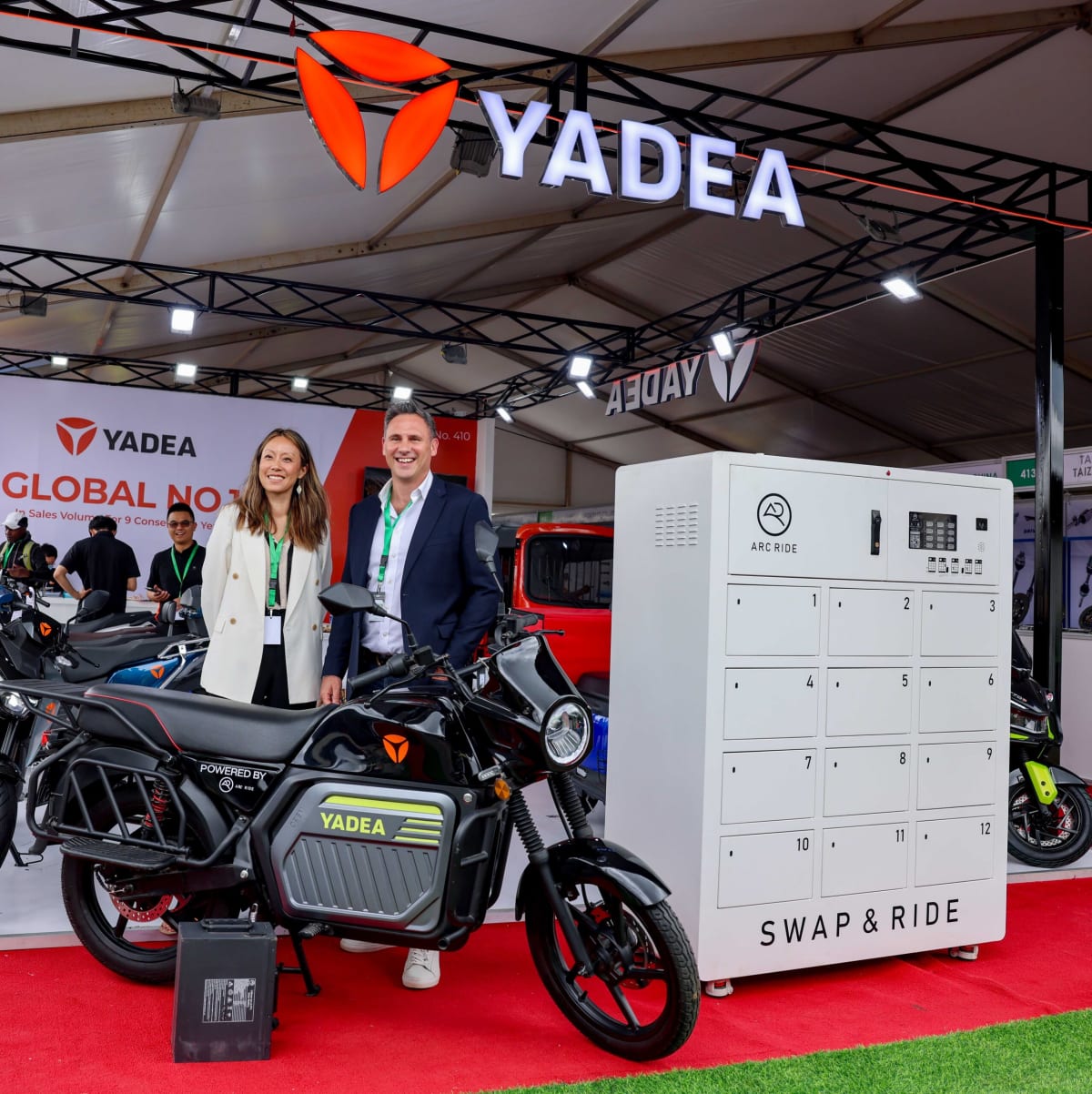
Now companies like ARC Ride are shifting gears in an exciting way. After proving they could build great motorcycles, they're opening their battery networks to international brands. At the EV Expo Kenya 2026, ARC Ride announced a partnership with Yadea, the world's number one electric two-wheeler brand for eight consecutive years.
The collaboration launched the Kifa motorcycle, a Yadea vehicle powered entirely by ARC Ride's battery-as-a-service network. It's the first of many planned partnerships that let global manufacturers focus on building bikes while Kenyan companies handle the energy infrastructure.
"Our goal is to be the leading interoperable battery as a service infrastructure provider across Africa," said Joseph Hurst-Croft, ARC Ride's CEO. The company has already set up assembly plants in several African countries and continues developing its own flagship Panther motorcycle.
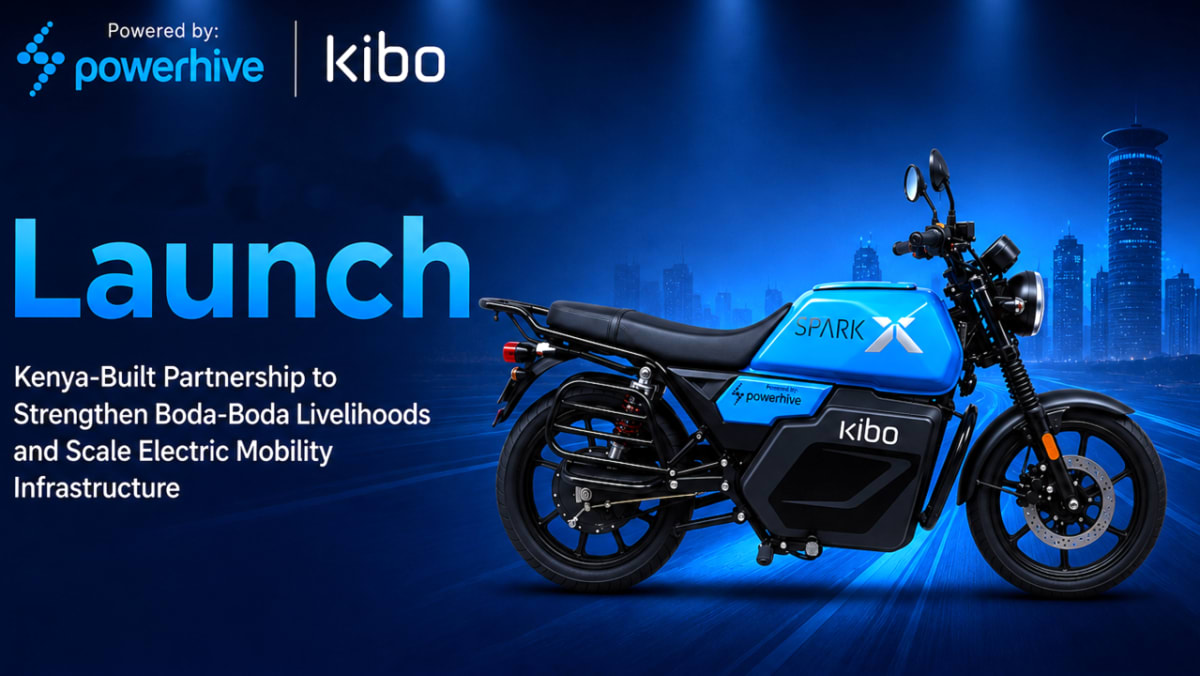
Powerhive and Kibo Motorcycles are following a similar path, combining Powerhive's energy expertise with Kibo's decade of manufacturing experience to bring new electric options to Kenyan riders.
The Ripple Effect
This evolution shows how solving local problems can create global opportunities. Kenyan entrepreneurs didn't just import solutions. They built an entire ecosystem tailored to African cities, proving the business model works with real riders paying real money.
Now that foundation supports international expansion while creating local jobs in manufacturing, assembly, and service. The 2 million gas-powered motorcycles currently on Kenya's roads represent a massive opportunity for clean, affordable transport.
Every partnership means more charging stations, more electric options for riders, and less pollution in rapidly growing cities. When local innovation meets global scale, everyone wins.
Kenya's startups turned necessity into opportunity, and now they're exporting that success across the continent.
More Images

Based on reporting by CleanTechnica
This story was written by BrightWire based on verified news reports.
Spread the positivity!
Share this good news with someone who needs it