Lost Elephant Calf Answers Aunt's Call in Kenya Reunion
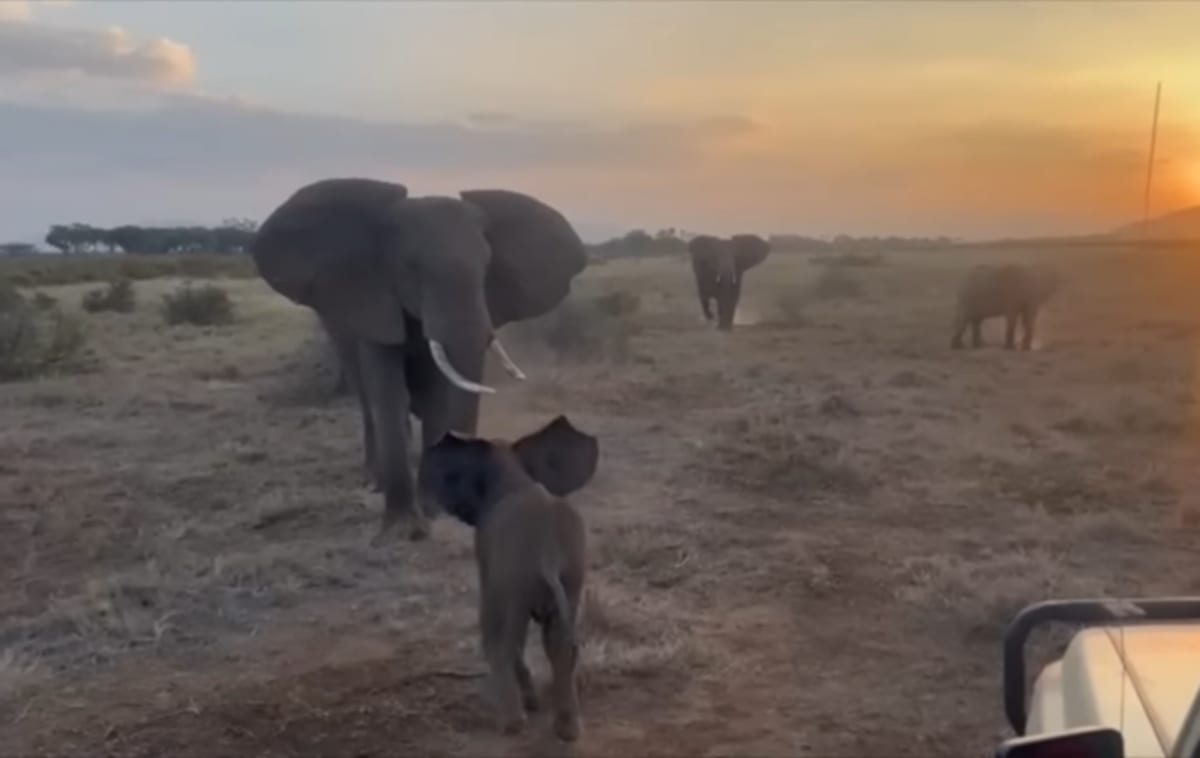
When a four-month-old elephant wandered alone into a tourist camp in Kenya, researchers spent hours searching for her family. The moment her aunt called out, the baby answered, and the entire herd rushed to surround her in an emotional reunion.
📺 Watch the full story above
A baby elephant separated from her family in northern Kenya answered her aunt's call and rushed back into waiting trunks, revealing just how powerful elephant family bonds truly are.
On February 11, 2026, staff at a tourist camp in Samburu found a four-month-old elephant calf wandering alone and disoriented. They immediately contacted Colorado State University professor George Wittemyer, who has studied elephants in northern Kenya for nearly three decades.
The search was on. Wittemyer and his team combed through Samburu National Reserve, trying to determine which of the roughly 40 elephant families was missing a calf.
After identifying the most likely family, researchers carefully brought the calf back to them. One of the calf's aunts, an elephant named Adelaide, approached and called out.
The calf responded immediately. That simple exchange triggered something remarkable: relatives moved in quickly, surrounding the youngster with rumbles and trumpeting sounds in what scientists recognize as a reunion ceremony.
Why This Inspires
This story shows us something deeper than a happy ending. The calf's mother had died from natural causes earlier, but her extended family never stopped caring.
After the reunion, the relatives stayed close to support the young elephant. One aunt, Markle, who had lost her own calf earlier that year, even began nursing the hungry baby.
Elephants form powerful bonds that last a lifetime, according to Wittemyer. These relationships make up the social fabric of elephant society and are central to survival in the wild.
The beautiful reunion was only possible because of decades of dedicated field research. Wittemyer and colleagues at Save the Elephants track elephant births, deaths, movements and social relationships, allowing them to recognize individuals and understand family structures.
Researchers now combine field observation with GPS collars, drones and acoustic recorders to study movement patterns and communication across wide landscapes. Some research even suggests that certain elephant calls may function like names, allowing individuals to recognize and respond to specific family members.
This work helps scientists better understand elephant needs and creates fascination among people living alongside them and around the world. With human population growth projected to continue in Africa over the next 80 years, understanding and protecting these complex social creatures becomes even more critical.
One lost calf found her way home because people cared enough to look, and a family cared enough to answer.
More Images



Based on reporting by Google: reunion family
This story was written by BrightWire based on verified news reports.
Spread the positivity!
Share this good news with someone who needs it