Mini Tornadoes Dry Plant-Based Plastic Alternative
Scientists just figured out how to use tiny tornadoes spinning at three times the speed of sound to dry a wood-based material that could replace plastic in everything from packaging to concrete. The breakthrough makes producing this eco-friendly alternative faster, cheaper, and ready for the real world.
📺 Watch the full story above
Imagine if we could replace plastic packaging, strengthen concrete, and even create biodegradable materials using nothing but wood pulp and mini tornadoes. That future just got a lot closer.
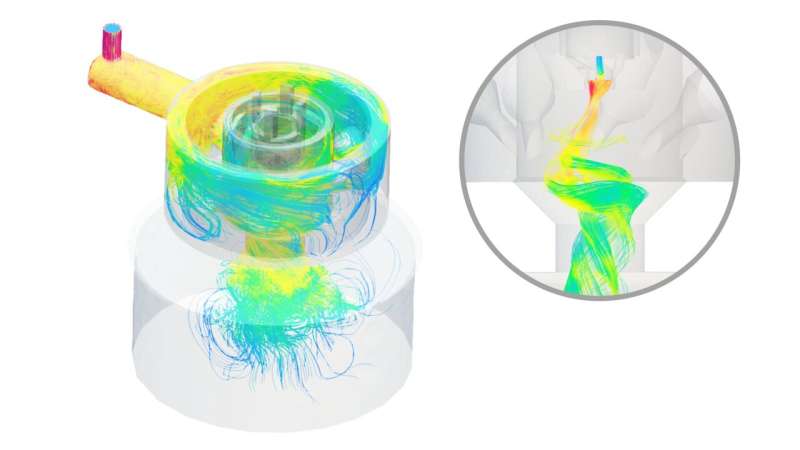
Researchers at the University of Maine and Oak Ridge National Laboratory developed a groundbreaking way to produce cellulose nanofibers, a material that could replace plastics across countless products. Their secret weapon? Counter-rotating vortices of heated air that spin at Mach 3, creating tornado-like conditions inside a specialized nozzle.
Cellulose nanofibers come from the same stuff that makes trees strong and gives celery its stringy texture. When broken down to the nanoscale, these tiny plant fibers grab onto each other so tightly that no glue is needed to hold them together. That natural bonding power makes them perfect for creating stronger concrete, bone replacements, and packaging that actually biodegrades.
The challenge has always been in the drying process. To make cellulose nanofibers, wood pulp gets ground with water for so long it becomes a gel that's 97% water and only 3% fiber. Shipping that much water across the country makes no sense, so the slurry needs to be dried into powder first.
Previous methods had serious drawbacks. Freeze drying works well but can't scale up for commercial production. Spray drying can handle big batches but causes the fibers to clump together permanently, forcing manufacturers to start the grinding process all over again.
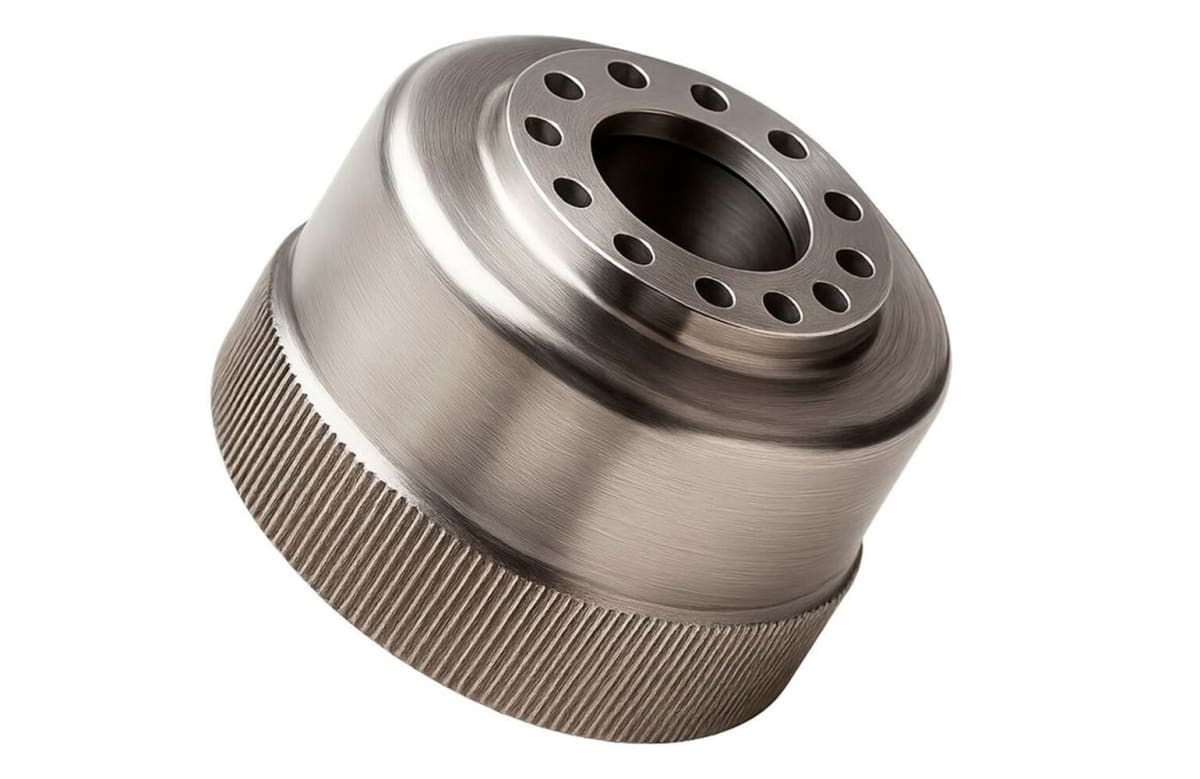
Professor David Neivandt wondered if high shear forces could keep the fibers separated during drying. His team spent years developing a patent-pending nozzle system that uses counter-rotating air vortices to literally tear apart water droplets while keeping fibers from sticking together.
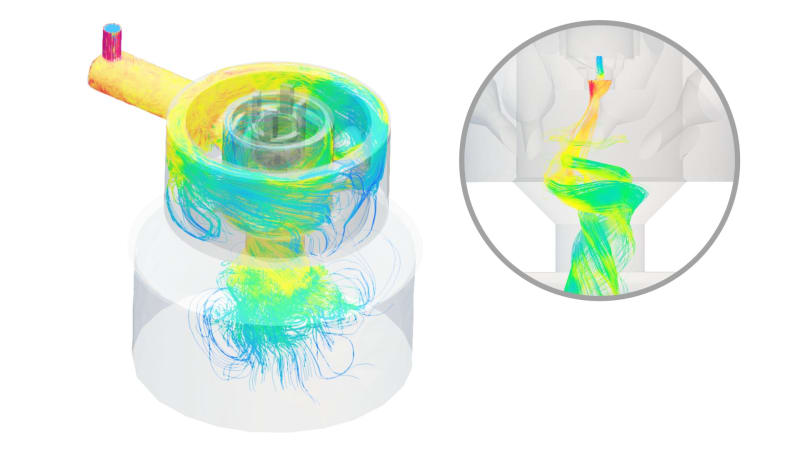
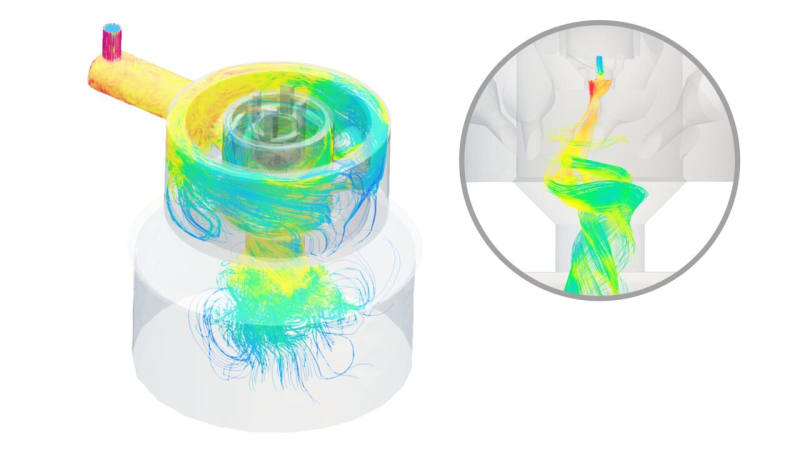
When Oak Ridge National Laboratory analyzed the airflow, research scientist Kevin Doetsch discovered something remarkable. The air enters the system at three times the speed of sound, creating precisely controlled shear forces that dry the nanofibers without aggregation.
The Ripple Effect
This isn't just about better technology. Making cellulose nanofiber production energy efficient and scalable means manufacturers can finally replace petroleum-based plastics with a renewable alternative made from trees. The new drying method uses significantly less energy than freeze drying while producing higher quality material than spray drying.
Peter Wang, a research scientist at Oak Ridge, explained that the process solves a fundamental shipping problem. Instead of transporting gel that's mostly water, manufacturers can ship lightweight powder and rehydrate the nanofibers wherever they're needed. That dramatically lowers costs and carbon emissions from transportation.
The technology is already moving beyond the lab. After proving the concept worked at small scale, Neivandt partnered with Oak Ridge's Manufacturing Demonstration Facility to test whether it could handle commercial production volumes.
High-performance computing helped crack the code on scaling up. Modeling tornado-like vortices inside a tiny, complicated system usually takes enormous time and processing power, but the team successfully simulated the rapidly spinning air to understand exactly how it tears apart the slurry droplets.
From biodegradable food packaging to construction materials that cure stronger, cellulose nanofibers have been waiting for their moment, and mini tornadoes just opened the door.
More Images
Based on reporting by Phys.org
This story was written by BrightWire based on verified news reports.
Spread the positivity!
Share this good news with someone who needs it