Minnesota Community Gets 74% Cheaper Heating and Cooling
A St. Paul neighborhood is slashing energy bills from $300 to under $100 monthly using underground water that stays the same temperature year-round. The system could keep heating and cooling affordable for generations.
📺 Watch the full story above
Families in St. Paul, Minnesota are about to cut their heating and cooling bills by two-thirds thanks to water stored 300 feet underground.
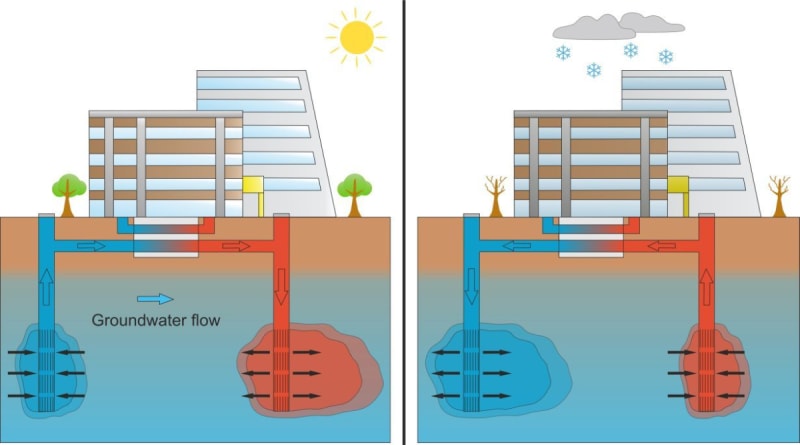
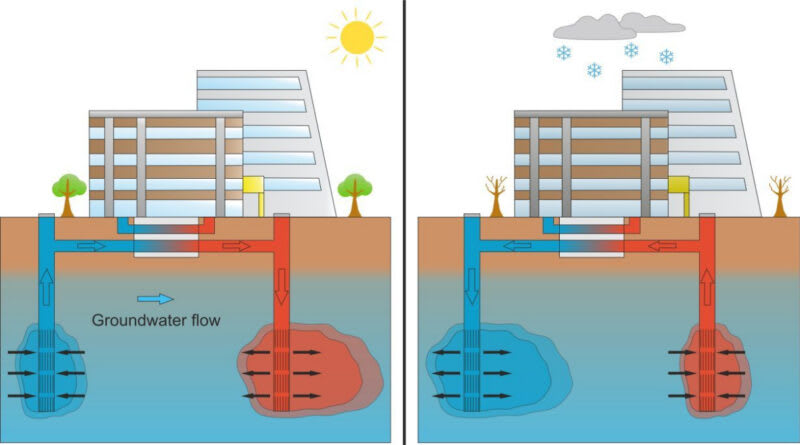
The Heights, a new development on St. Paul's Greater East Side, is building an aquifer thermal energy system that taps into naturally temperature-stable groundwater. Instead of fighting Minnesota's freezing winters and sweltering summers with expensive furnaces and air conditioners, 850 homes will use the Earth itself as a giant battery for heating and cooling.
The technology works because groundwater stays at nearly the same temperature all year, varying by just a few degrees between seasons. High-efficiency electric heat pumps powered partly by solar panels will transfer that stable underground temperature into homes and light industrial buildings.
For residents, the savings are life-changing. "It is the difference between paying a $200 to $300 per month bill and less than $100," said Cheniqua Johnson, who represents the adjacent neighborhood on St. Paul's city council. She noted that many families in her community have had their utilities shut off because they couldn't afford their bills.
A 2024 study of over 3,000 aquifer systems worldwide found they cut greenhouse gas emissions by up to 74% compared to conventional heating and cooling. The systems pay for themselves in as little as two years, with worst-case scenarios taking just 10 years.
Once installed, the benefits last for generations. The heat pumps themselves run 15 to 20 years, but the infrastructure accessing the aquifer can last 80 years or more.
"This is the LED version of heating and cooling," Yu-Feng Lin, director of the Illinois Water Resources Center, told The Guardian. "Think about how much energy you are saving there."
The Ripple Effect
The technology has already transformed communities overseas. The Netherlands leads the world with thousands of systems serving offices, airports, universities and hospitals. After the systems became popular, Dutch officials created an eight-week permit process and an interactive online map to help municipalities plan new installations.
That kind of policy support is exactly what American communities need to replicate the success, researchers say. The right regulatory framework protects groundwater while making the systems accessible to more families.
St. Paul's project proves that affordable, sustainable heating and cooling isn't just possible—it's already happening in America's heartland.
More Images


Based on reporting by CleanTechnica
This story was written by BrightWire based on verified news reports.
Spread the positivity!
Share this good news with someone who needs it