NASA Rover Completes First AI-Planned Drive on Mars
NASA's Perseverance rover just made history by completing the first drives on another planet planned entirely by artificial intelligence. The breakthrough could transform how we explore distant worlds and pave the way for human missions to Mars.
📺 Watch the full story above
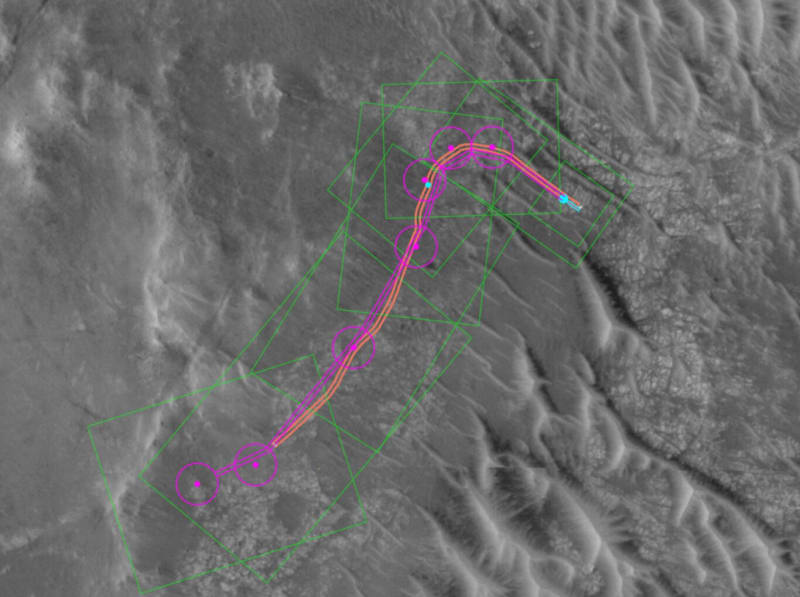
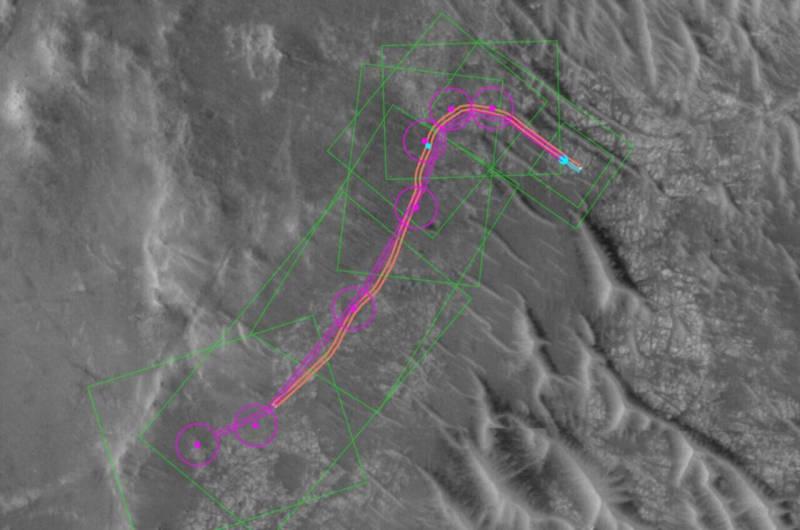
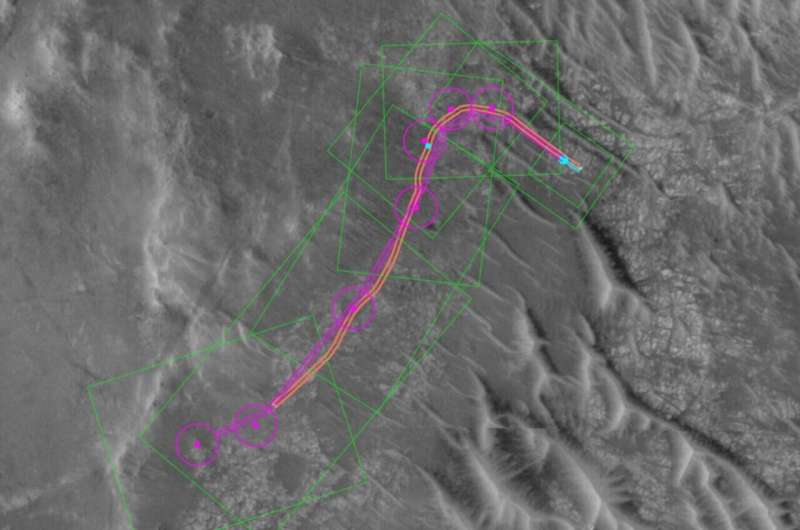
A rover on Mars just proved that artificial intelligence can navigate alien terrain as skillfully as human planners back on Earth. NASA's Perseverance completed two groundbreaking drives in December 2025, covering nearly 1,500 feet across the challenging landscape of Jezero Crater using waypoints generated entirely by AI.
For the past 28 years, human "drivers" at NASA's Jet Propulsion Laboratory have manually analyzed terrain data to plot every rover route on Mars. They sketch paths using carefully spaced waypoints, then beam the instructions across 140 million miles of space to the rover. The process works, but it's time-consuming and limits how far rovers can travel between planning sessions.
The new demonstration changed that equation completely. Using advanced vision-language AI models developed with Anthropic, the team fed the system the same high-resolution orbital images and terrain data that human planners normally study. The AI analyzed everything from boulder fields to sand ripples, then generated safe, efficient routes complete with waypoints.
Before sending any commands to Mars, engineers tested them through a digital twin of Perseverance, verifying over 500,000 variables to ensure complete safety. On December 8, Perseverance drove 689 feet using its AI-generated instructions. Two days later, it traveled 807 feet, both times navigating successfully.
NASA Administrator Jared Isaacman called it a glimpse into the future of space exploration. The technology could help missions operate more efficiently and increase scientific discoveries as we venture farther from Earth.
The Ripple Effect
This breakthrough extends far beyond one rover on Mars. Space roboticist Vandi Verma sees a future where AI-equipped rovers handle kilometer-scale drives while automatically flagging interesting features for scientists to study. Instead of manually reviewing thousands of images, researchers could focus on the discoveries themselves.
The implications grow even bigger when you consider upcoming missions. Matt Wallace, who manages JPL's Exploration Systems Office, envisions intelligent systems in rovers, helicopters, and drones across the solar system, all trained with the collective expertise of NASA's best minds. That's the kind of technology needed to establish permanent bases on the Moon and send humans to Mars.
The AI didn't replace human expertise. It learned from decades of human experience, then applied those lessons to make space exploration more efficient and ambitious. As missions push deeper into the solar system where communication delays stretch to hours, this kind of autonomous intelligence becomes essential.
Two successful drives might seem small, but they represent a giant leap in how humanity will explore the cosmos.
More Images
Based on reporting by Phys.org
This story was written by BrightWire based on verified news reports.
Spread the positivity!
Share this good news with someone who needs it