NASA's First Artemis II Science Officers Ready for Moon Mission
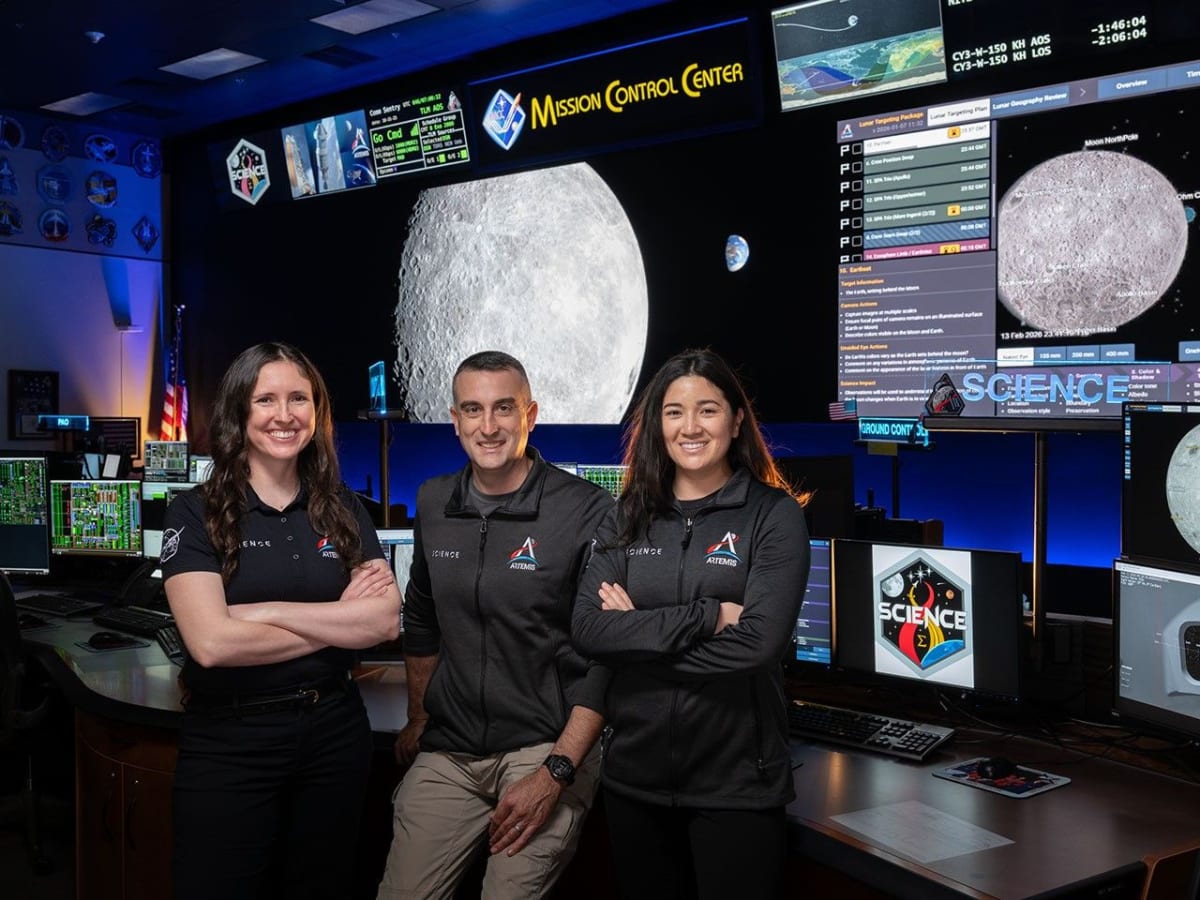
Three scientists have become NASA's first certified Artemis II science officers, bringing lunar geology expertise directly into Mission Control. They'll guide astronauts in real-time observations during humanity's first crewed Moon flyby in over 50 years.
📺 Watch the full story above
Imagine trading your hiking boots and rock hammer for a headset and computer monitors, then using both skillsets to explore the Moon from Mission Control.
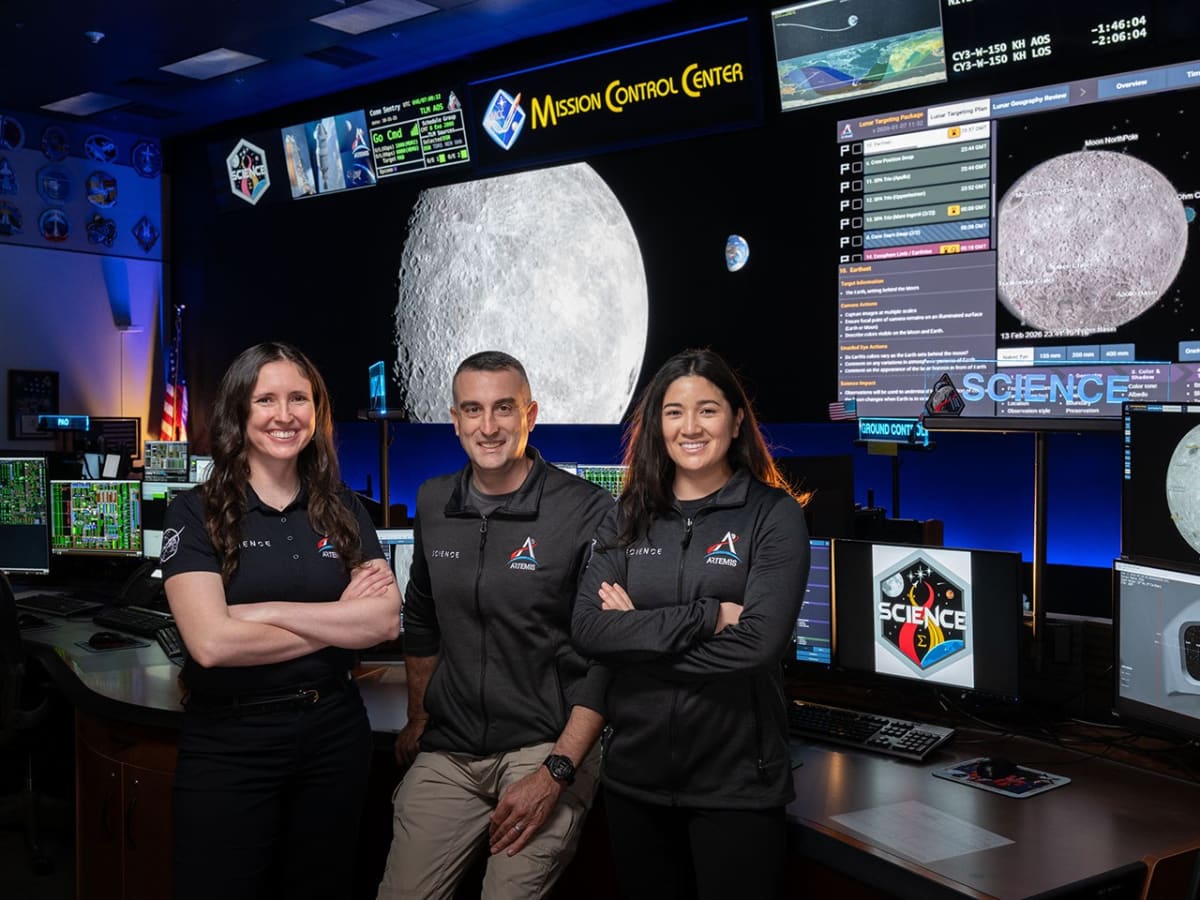
That's exactly what Kelsey Young, Trevor Graff, and Angela Garcia just achieved. The three geologists completed months of intensive training to become NASA's first certified Artemis II science officers, earning a brand new console position in Mission Control at Johnson Space Center in Houston.
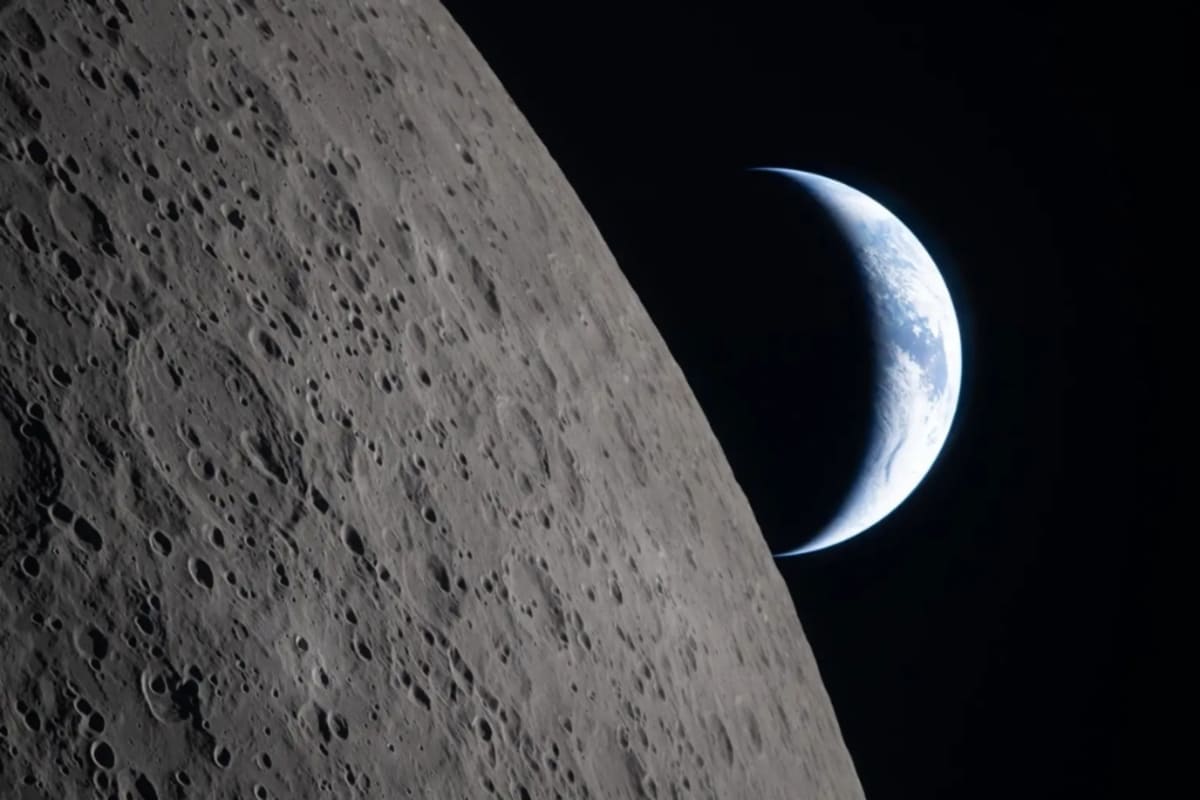
The timing couldn't be better. On April 6, just days from now, four astronauts will fly around the far side of the Moon during the Artemis II mission. While they won't land, they'll become humanity's eyes on the lunar surface for the first time in over half a century.
That's where the science officers come in. Young, who leads lunar science for Artemis II from NASA's Goddard Space Flight Center, explains their role simply: they're the senior flight controllers responsible for making sure every lunar science objective happens during the mission.
The three spent months mastering two very different worlds. They ran countless simulations in Mission Control, testing their skills in realistic mission scenarios. They also trained the astronauts themselves, teaching lunar geography in classrooms and trekking across volcanic fields in Iceland that look remarkably like the Moon's surface.
"After so many months of hearing their descriptions of lunar visualizations during simulations, I'm most excited for the very first time I hear them describing the actual Moon out of the Orion windows," Young said. The astronauts will photograph the lunar surface and record audio observations, capturing details that cameras alone might miss.
Why This Inspires
Human eyes notice subtle changes in color and texture that even advanced cameras can miss. When the Artemis II crew peers out their windows at the Moon, they'll combine direct observation with decades of scientific advances, potentially uncovering discoveries that reshape our understanding of Earth's closest neighbor.
Garcia puts it beautifully: "The crew will be exploring through observation, a foundational scientific tool." It's a reminder that sometimes the most powerful technology is simply a trained human mind paying close attention.
This dedicated science position marks an evolution from Apollo. While lunar science has always been part of human spaceflight, Artemis makes it a core mission function with its own console, team, and real-time decision-making power.
The astronauts worked incredibly hard preparing their "lunar science toolboxes," studying geography and practicing scientifically meaningful descriptions of what they see. When they radio back their observations from behind the Moon, three expert geologists will be listening, ready to guide them toward the most important features.
After decades of robotic missions, human eyes are returning to the Moon, backed by a team that speaks both the language of science and spaceflight.
More Images

Based on reporting by NASA
This story was written by BrightWire based on verified news reports.
Spread the positivity!
Share this good news with someone who needs it