Nestlé Cuts Dairy Emissions 26% While Boosting Farm Incomes
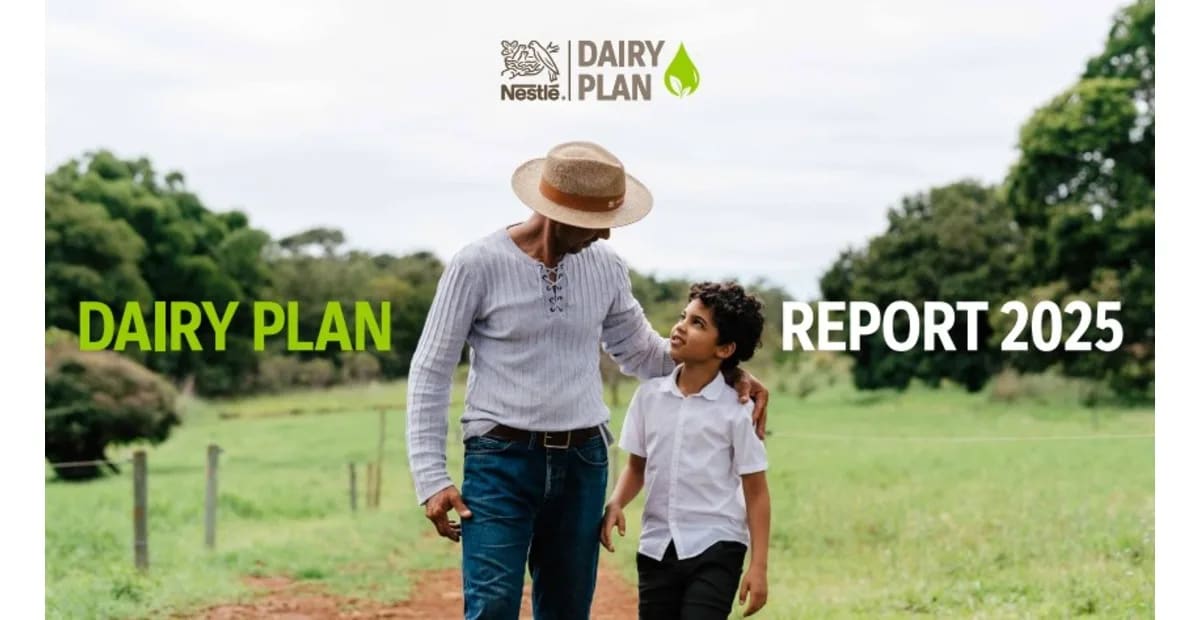
Food giant Nestlé just proved that fighting climate change and supporting farmers can go hand in hand. Working with 130,000 dairy farmers across 40 countries, the company slashed greenhouse gas emissions by over a quarter while helping farmers earn more money.
📺 Watch the full story above
Nestlé just released results from its Dairy Plan that challenge the idea you have to choose between the environment and farmer livelihoods. The company cut dairy supply chain emissions by 26% compared to 2018 levels while helping farmers increase their income and build more resilient businesses.
The secret? Turning cow manure into money.
Nestlé worked with over 130,000 dairy farmers in more than 40 countries to transform farming practices that benefit everyone involved. Farmers are converting manure into renewable energy and compost they can sell as fertilizer, cutting their energy costs while creating new revenue streams.
The results speak for themselves. Methane emissions dropped 25%, and overall greenhouse gas emissions fell 26% across the entire dairy value chain.
But the program goes way beyond emissions. More than 34% of Nestlé's dairy supply now comes from farms using regenerative agriculture practices like keeping soil covered year round, minimal plowing, and integrating trees into pastures.
These aren't just buzzwords. The practices improve soil health, help farms manage water better during droughts, and create habitat for wildlife while making farms more productive and profitable.
Farmers are also getting support most agriculture programs overlook: business training. Digital tools now help dairy farmers make smarter decisions about everything from herd health to financial planning, skills that make farming viable for the next generation.
The Ripple Effect
This model shows how corporate supply chains can become engines for positive change. When a major food company commits to working with farmers rather than just buying from them, the benefits multiply outward.
Younger people are noticing. By improving income stability and modernizing farm operations, programs like this are making dairy farming attractive to a generation that might otherwise leave rural areas for cities.
The technology side matters too. Nestlé's Institute of Agricultural Sciences partnered with universities and government researchers to develop science based solutions for reducing emissions from cow digestion, one of dairy's biggest climate challenges.
Chief Sustainability Officer Antonia Wanner put it simply: when things are done well, the farmer improves their income, Nestlé gets high quality ingredients, and the environment benefits from nature based agriculture.
The timeline tells an important story. These results didn't happen overnight but built over seven years of continuous improvement, showing that real systems change takes patience and partnership.
Over 200 suppliers and partners joined the effort, proof that collaboration beats competition when tackling challenges this complex. Each farm and region brought different needs and solutions, requiring flexibility rather than one size fits all mandates.
This approach to dairy farming is building supply chain resilience while addressing climate change, a combination that's becoming essential as extreme weather threatens agricultural regions worldwide.
Based on reporting by Google News - Emissions Reduction
This story was written by BrightWire based on verified news reports.
Spread the positivity!
Share this good news with someone who needs it