New Jersey Cuts Toxic PFAS in Drinking Water by 50%
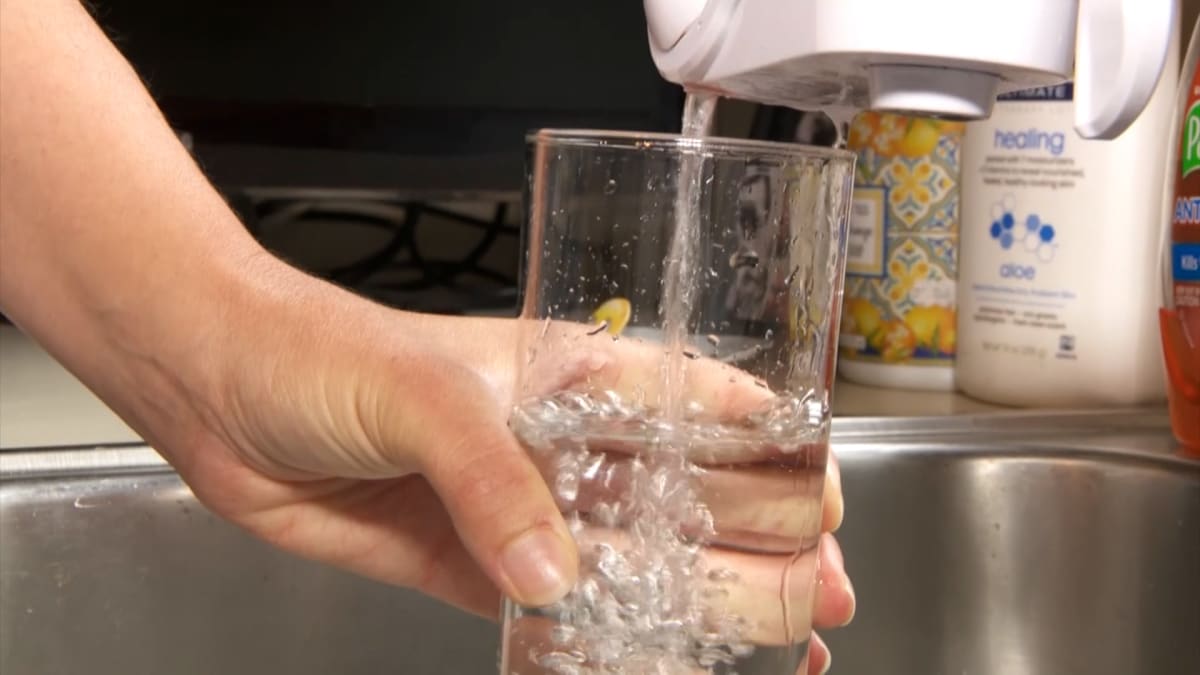
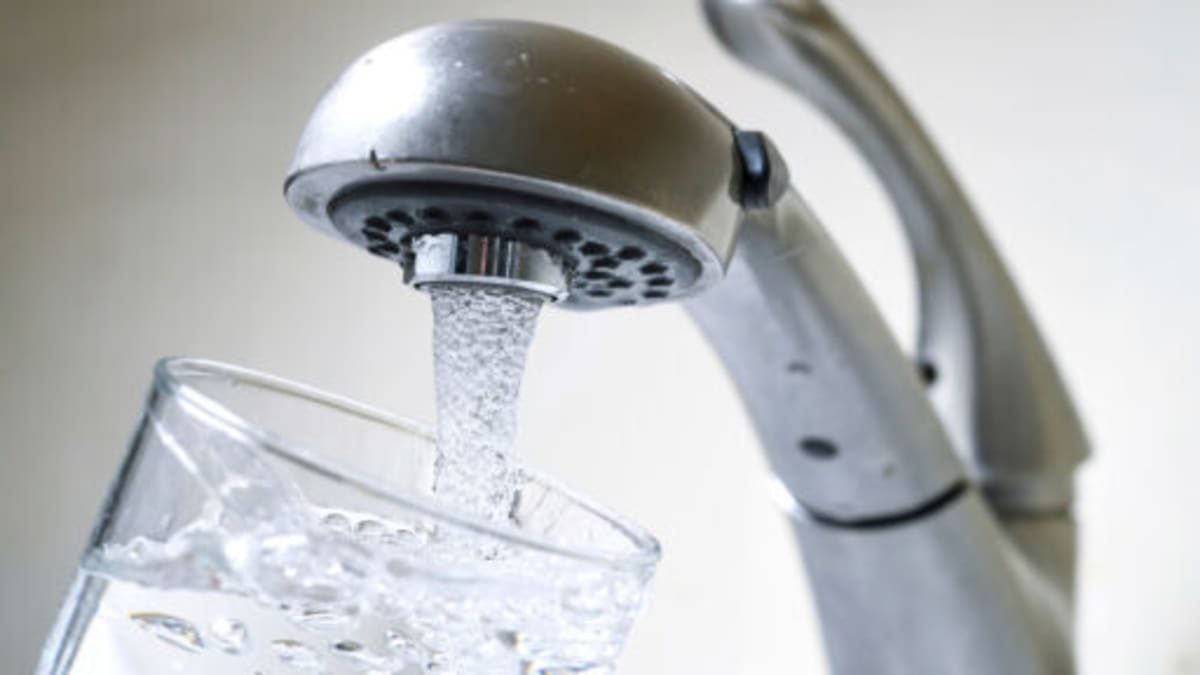
New Jersey's drinking water just got dramatically safer. A Rutgers study found that toxic "forever chemicals" dropped by half thanks to the state's groundbreaking regulations.
📺 Watch the full story above
Researchers at Rutgers University just confirmed something remarkable: New Jersey cut toxic PFAS levels in its drinking water by 50% in just a few years. For millions of residents, that means cleaner, safer water flowing from their taps every single day.
The victory came from a simple but powerful move. In 2018, New Jersey became one of the first states to set enforceable limits on PFAS, those stubborn "forever chemicals" found in everything from takeout containers to raincoats that persist in our bodies and environment for decades.
Dr. Hari Iyer, a cancer epidemiologist at Rutgers Robert Wood Johnson Medical School, led the team that analyzed 19 years of water quality data from dozens of systems across the state. The results showed dramatic drops in the two PFAS chemicals most strongly linked to health problems.
The health stakes are real. High PFAS exposure can weaken immune response, making it harder to recover from illness. It can also affect liver and kidney function, creating long-term health challenges.
What made New Jersey's approach work was combining solid science with consistent monitoring. Water systems installed advanced carbon filtration and took contaminated wells offline. Many utilities started acting even before the law took effect, knowing they needed to get ahead of the problem.
The effort began in 2006 when alarmingly high levels were discovered in Brick Township near an industrial site. State officials, advocacy groups, and scientists worked together to identify contamination sources and push for protective standards.
New Jersey set limits far stricter than federal guidelines, creating a model other states are now watching closely. The state proved that robust testing combined with enforceable standards actually moves the needle on public health.
The Ripple Effect
This isn't just a New Jersey win. Other states struggling with PFAS contamination now have a proven playbook showing that strong regulations work. Water utilities nationwide are watching to see how the combination of monitoring, enforcement, and filtration technology can protect millions of people.
The research also revealed something encouraging: many water systems took action before they were legally required to, installing expensive filtration systems because protecting public health mattered more than waiting for deadlines. That kind of proactive responsibility shows what's possible when communities prioritize safety.
Scientists are still working to understand the full health impacts of PFAS and determine the safest possible levels. Dr. Iyer's team and researchers worldwide continue studying links to cancer and other health outcomes.
One limitation remains: the study focused on large public water systems, not private wells serving about 10% of New Jersey residents. Those smaller systems need more frequent testing to ensure they're seeing similar improvements.
As researchers learn more about safe exposure levels, standards may become even stricter in coming years. But public health experts emphasize that today's 50% reduction represents real, measurable progress worth celebrating.
New Jersey proved that states don't have to wait for federal action to protect their residents from emerging health threats.
More Images


Based on reporting by Google News - Researchers Find
This story was written by BrightWire based on verified news reports.
Spread the positivity!
Share this good news with someone who needs it