New Sodium Battery Hits 261 Wh/kg, Rivals Lithium Tech
A Chinese company just unveiled sodium batteries that pack nearly as much energy as lithium models, without the fire risk or rare materials. This breakthrough could make electric vehicles cheaper and safer for everyone.
📺 Watch the full story above
Gotion, a battery maker backed by Volkswagen, just announced sodium batteries with energy density reaching 261 watt-hours per kilogram. That's closing in on the 298 Wh/kg found in today's most advanced lithium batteries.
Here's why that matters. Sodium batteries use salt, one of Earth's most abundant materials, instead of lithium. They charge faster, work better in freezing weather, and rarely catch fire.
Until now, sodium batteries had one major drawback. They couldn't store enough energy in a small enough space to power cars. The typical sodium battery maxed out around 160 Wh/kg, barely half what electric vehicles need.
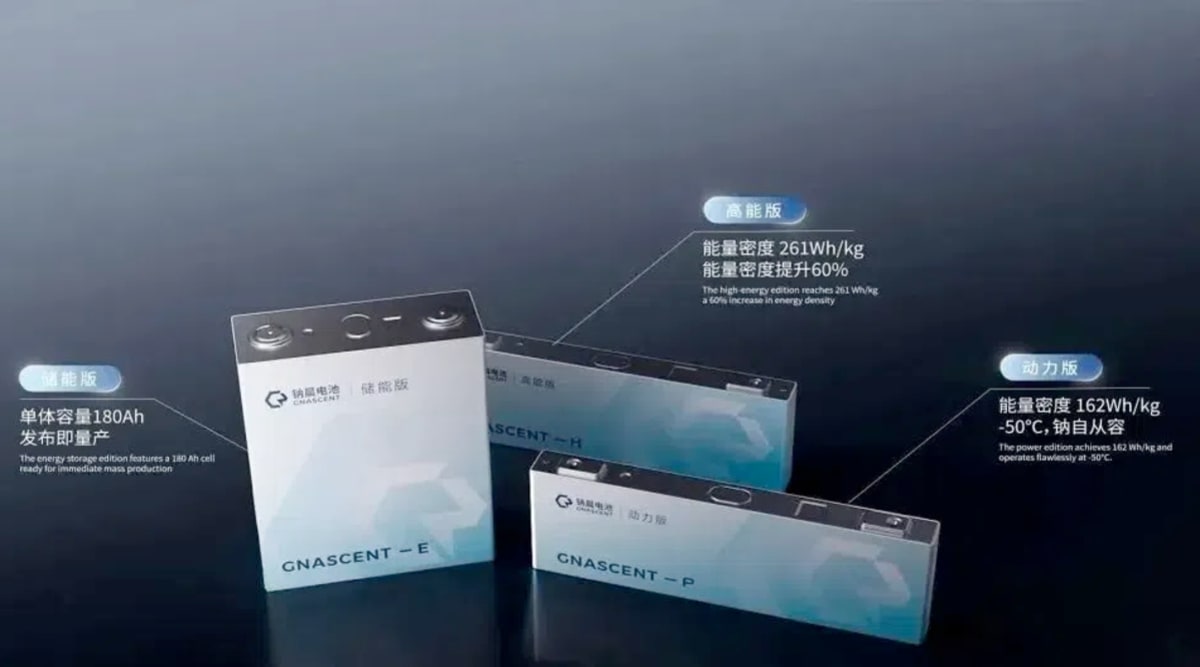
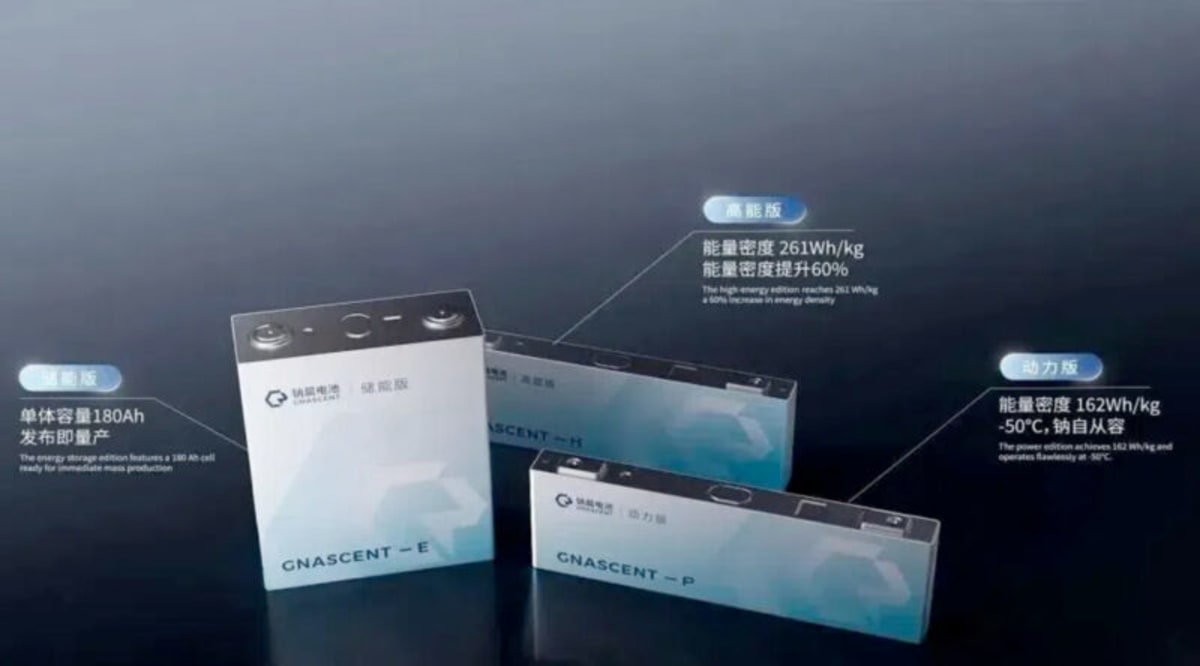
Gotion just changed that equation. At this week's Global Technology Conference, the company revealed three versions of its new Gnascent battery, already in production at gigawatt-scale facilities in China.
The high-energy version achieves that record 261 Wh/kg density, perfect for lightweight vehicles and drones. A power version works down to negative 50 degrees Celsius, solving winter range problems that plague today's EVs. The energy storage version lasts over 20,000 charge cycles and passed a nail penetration test without catching fire.
The company isn't putting these in passenger cars yet, but the technology is ready. With over 90 patents covering the design and an "anode-free" approach that cuts costs while boosting performance, Gotion has created what might be the next generation of vehicle batteries.
The Ripple Effect
Cheaper, safer batteries mean electric vehicles become accessible to more people. Sodium batteries could slash EV prices since salt costs far less than lithium and requires no mining in fragile ecosystems.
Countries without lithium deposits could build their own battery industries. Cold-weather cities from Minneapolis to Moscow could finally see EVs that don't lose half their range in January.
The energy storage version solves another problem. Grid-scale battery systems store solar and wind power, but lithium batteries need expensive cooling systems and still pose fire risks. Sodium batteries eliminate both concerns while lasting longer.
Gotion ranks third among Chinese battery makers after CATL and BYD, with 400 gigawatt-hours of production capacity across 20 global facilities. Volkswagen Group, their largest shareholder, likely plans to use these batteries in future electric models.
The shift from laboratory curiosity to mass production took just a few years. Now sodium batteries stand ready to power the next wave of clean transportation and renewable energy storage.
More Images
Based on reporting by CleanTechnica
This story was written by BrightWire based on verified news reports.
Spread the positivity!
Share this good news with someone who needs it