Nigeria Delivers $730M in Aid to 10 Million Families
Nigeria has distributed over ₦600 billion (approximately $730 million) in direct cash transfers to more than 10 million vulnerable households over the past three years. The government just launched a new $1 billion program designed to move families from temporary relief to long-term economic independence.
📺 Watch the full story above
Over the past three years, Nigeria has quietly achieved one of Africa's largest direct aid programs, reaching more than 10 million households with critical cash support.
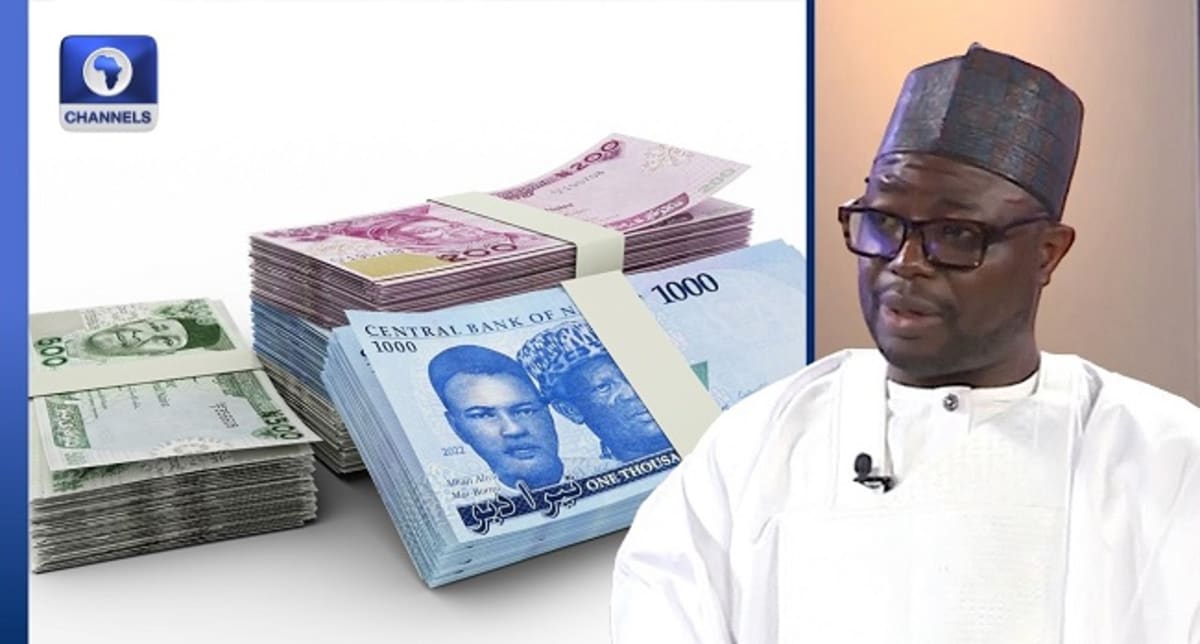
Minister of Humanitarian Affairs Bernard Doro announced that the Federal Government has distributed over ₦600 billion in cash transfers to vulnerable families. The program represents a massive effort to stabilize households struggling with poverty across the nation.
The government isn't stopping there. First Lady Oluremi Tinubu recently unveiled the Renewed Hope Social Protection Programme, a $1 billion initiative that takes a fresh approach to fighting poverty.
Unlike traditional one-time handouts, the new program focuses on tracking families over time and measuring their actual progress toward financial independence. The Household Prosperity and Empowerment Social Protection Project (HOPE-SP) will target 7.6 million vulnerable households with coordinated support designed to help them build sustainable incomes.
Eligible families registered on the National Social Register will receive a one-time digital transfer of ₦40,000. The government is working with the National Identity Management Commission to streamline registration and verification processes, making it easier for families to access support.
The Ripple Effect
The scale of Nigeria's anti-poverty effort puts it among the most ambitious social protection programs in Africa. Minister Doro pointed to China's experience, noting that the Asian country spent 40 years lifting hundreds of millions out of poverty.
Nigeria's approach differs by deliberately tracking household progress rather than just distributing funds. This data-driven method allows the government to understand what actually works in moving families toward economic self-reliance.
The program coordinates humanitarian aid, social protection, and poverty reduction efforts under one umbrella. By placing households at the center of planning rather than treating them as passive recipients, the initiative aims to create lasting change across generations.
With 7.6 million households in the new program's scope, millions of Nigerians will have access to tools and support designed to help them build their own prosperity. When families gain economic stability, entire communities benefit through increased local spending, better nutrition, improved education, and stronger social networks.
The combination of immediate cash support and long-term empowerment strategies gives Nigeria a roadmap for sustainable poverty reduction at scale.
Based on reporting by Google News - Poverty Reduction
This story was written by BrightWire based on verified news reports.
Spread the positivity!
Share this good news with someone who needs it