NIST Creates First Humanoid Robot Testing Standard in Decade
The U.S. government is launching the first official way to measure what humanoid robots can actually do, bringing much-needed clarity to a multibillion-dollar industry. After years of flashy marketing videos, manufacturers will finally have a common yardstick to prove their robots' real capabilities.
📺 Watch the full story above
The National Institute for Standards and Technology just proposed something the booming humanoid robot industry desperately needs: a standardized way to test what these machines can actually accomplish.
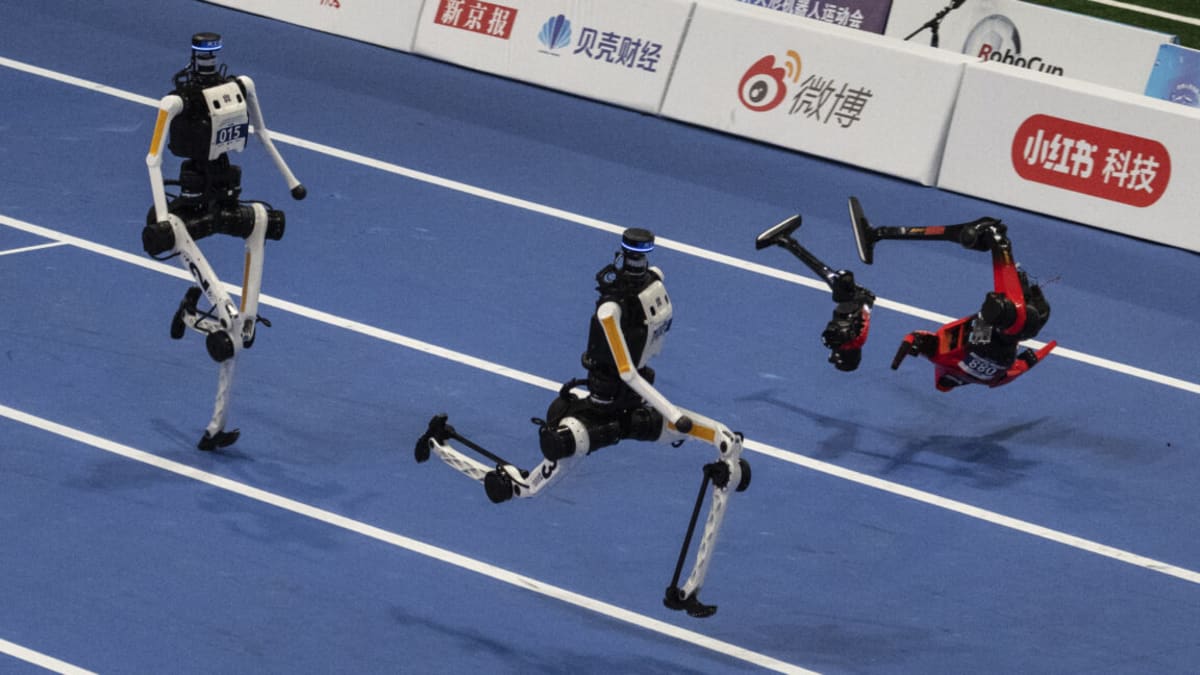
Right now, companies like Tesla, Figure, and Agility Robotics are attracting billions in investment to build humanoid robots. But here's the problem: there's no agreed-upon way to measure what any of them can really do. Marketing videos have filled that gap, leaving buyers and investors guessing about true capabilities.
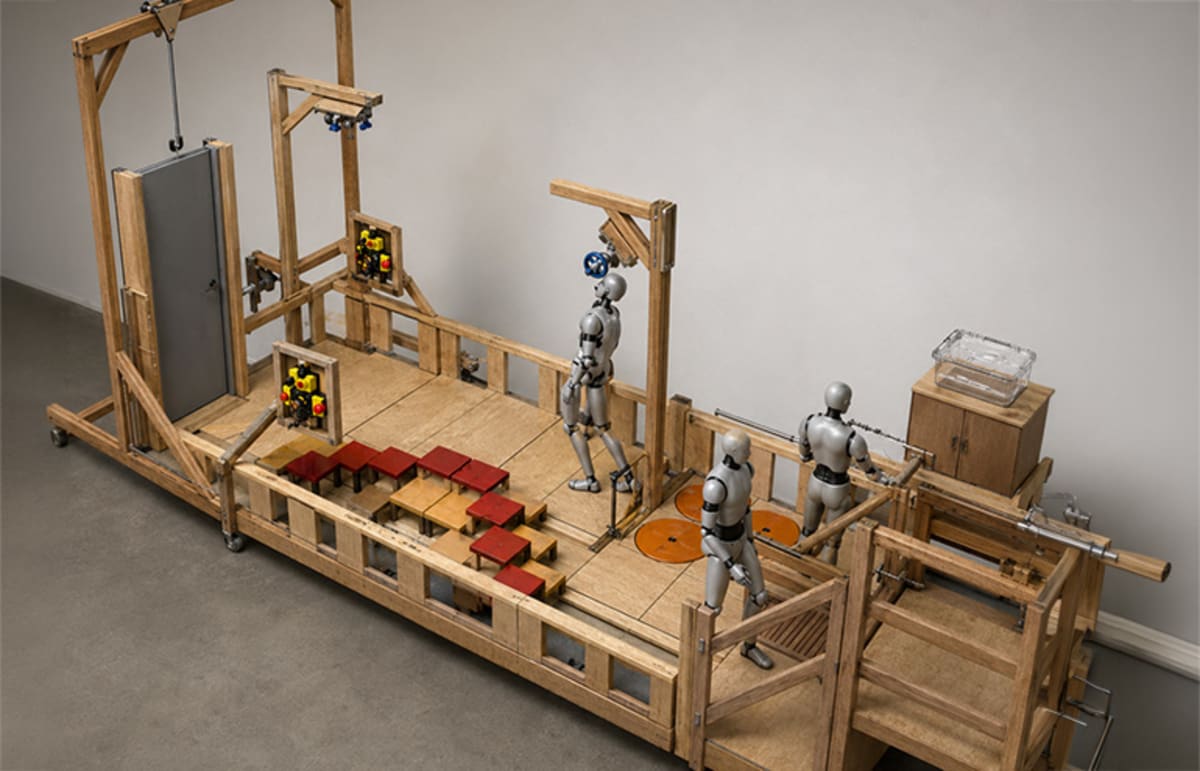
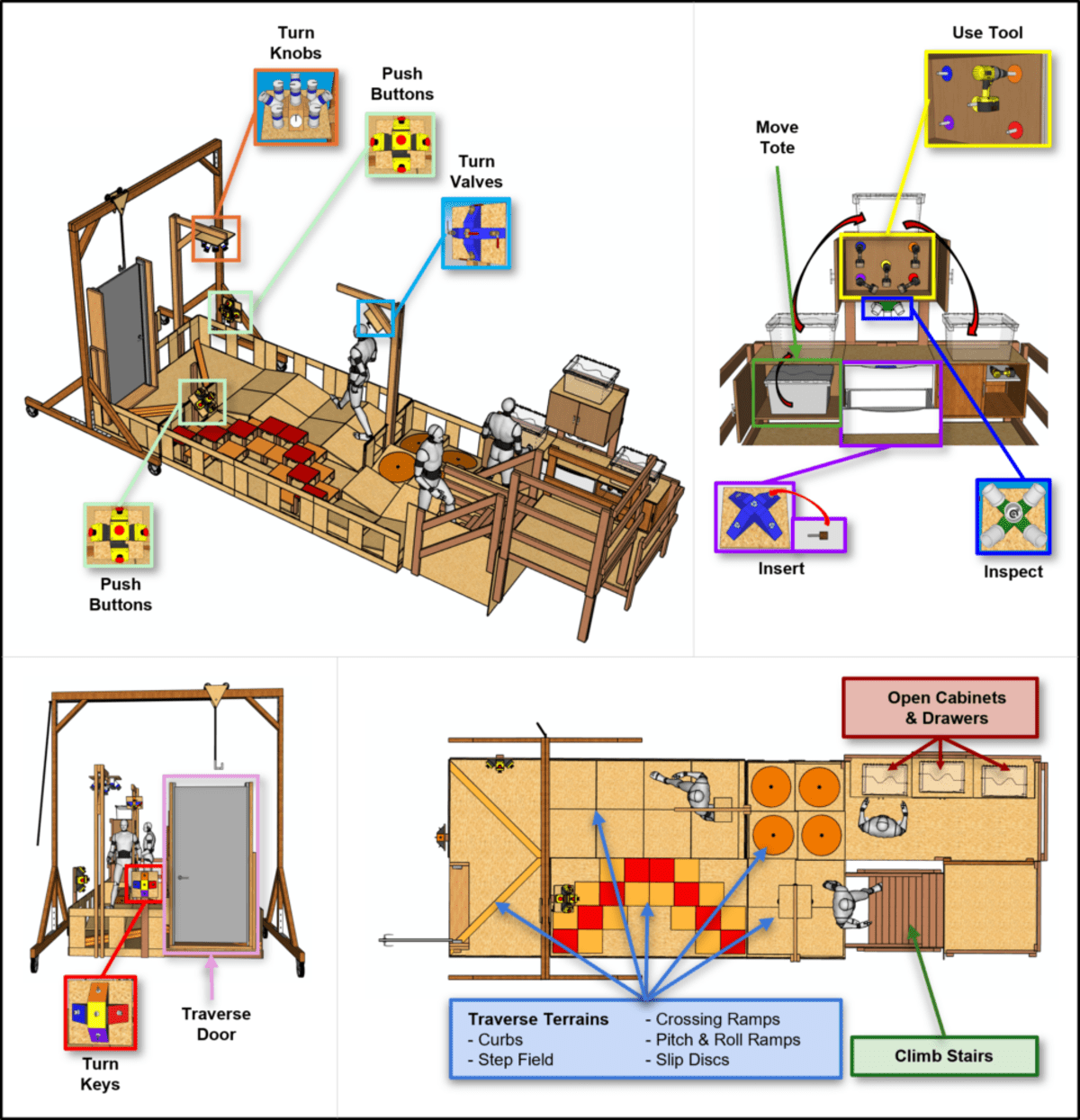
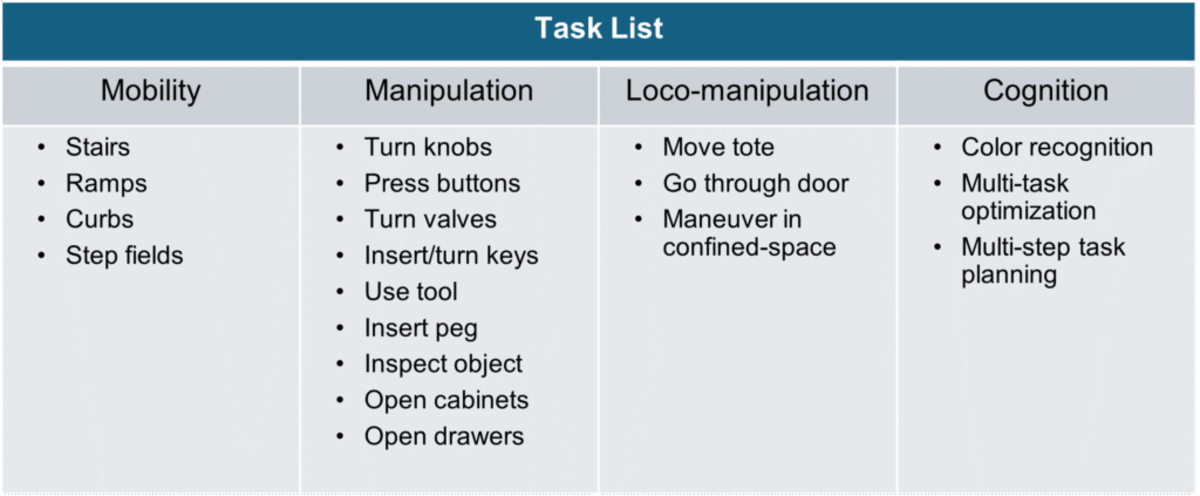
NIST, part of the U.S. Department of Commerce, wants to change that. The institute announced a comprehensive testing benchmark covering basic movement and object handling tasks. These tests represent the minimum skills a commercial humanoid robot should have for jobs in factories, homes, healthcare facilities, or other workplaces.
The testing apparatus will check whether robots can walk, manipulate objects, coordinate multiple tasks at once, and navigate tight spaces. It will also test basic reasoning and decision-making abilities. NIST designed the system with input from manufacturers and researchers to ensure the tests actually matter.
Here's what makes this approach special: NIST plans to build these testing stations and give them away free to U.S. robot makers and regional testing facilities. They'll also publish the designs and 3D models so anyone can use them as training tools. Companies can test their robots privately under data-sharing agreements that protect trade secrets, while NIST publishes aggregated results showing industry-wide progress.
The Ripple Effect
This standardization could accelerate the entire industry forward. When everyone measures progress the same way, manufacturers know exactly what to improve. Buyers can compare products fairly. Investors can make smarter decisions based on real performance data instead of promotional videos.
The last time the industry had this kind of standardized testing was the 2015 DARPA Robotics Challenge, nearly a decade ago. Since then, the field has exploded with new players and applications, but without consistent benchmarks to guide development or prove results.
NIST is actively seeking participants to help refine what tasks should be included and to volunteer as testing facilities. The institute wants to ensure the benchmark truly reflects what the industry needs while pushing capabilities forward.
This common measuring stick arrives at the perfect moment, as humanoid robots move from research labs into real-world applications where performance guarantees actually matter.
More Images


Based on reporting by The Robot Report
This story was written by BrightWire based on verified news reports.
Spread the positivity!
Share this good news with someone who needs it