NVIDIA Opens Humanoid Robot Platform to Researchers
NVIDIA just gave robotics researchers access to advanced humanoid robot technology that once belonged only to big tech labs. Four major universities are already using the platform to accelerate breakthroughs in AI-powered robotics.
📺 Watch the full story above
Major universities now have access to cutting-edge humanoid robot technology that could speed up breakthroughs in artificial intelligence and robotics by years.
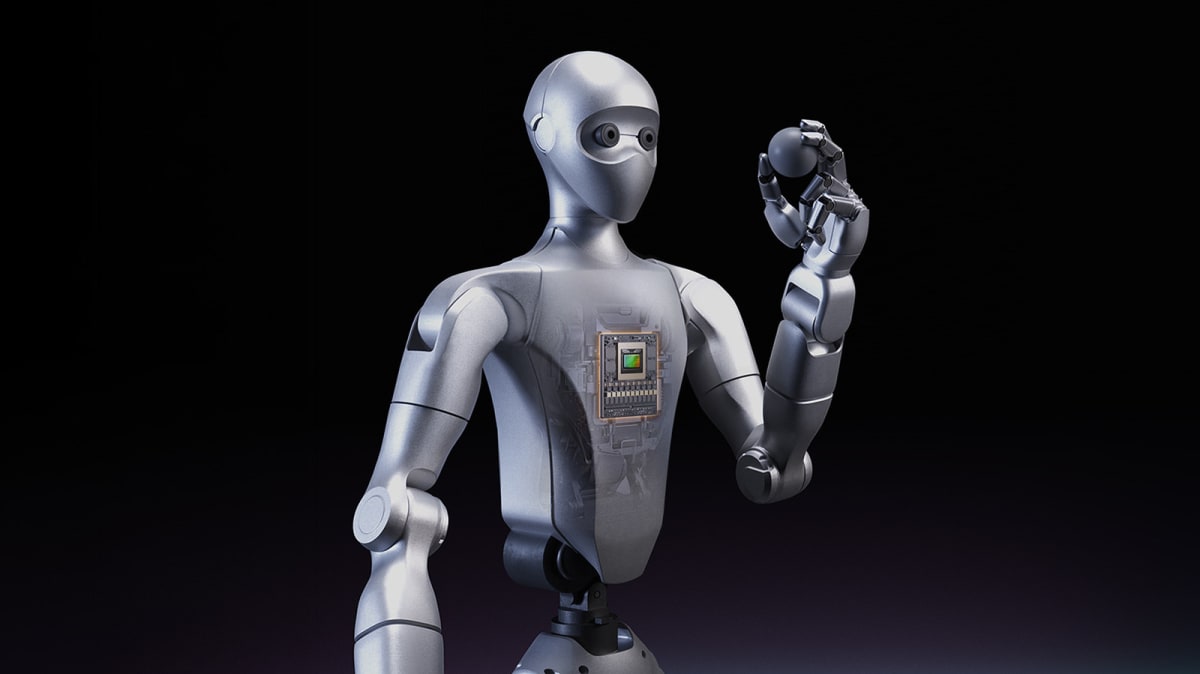
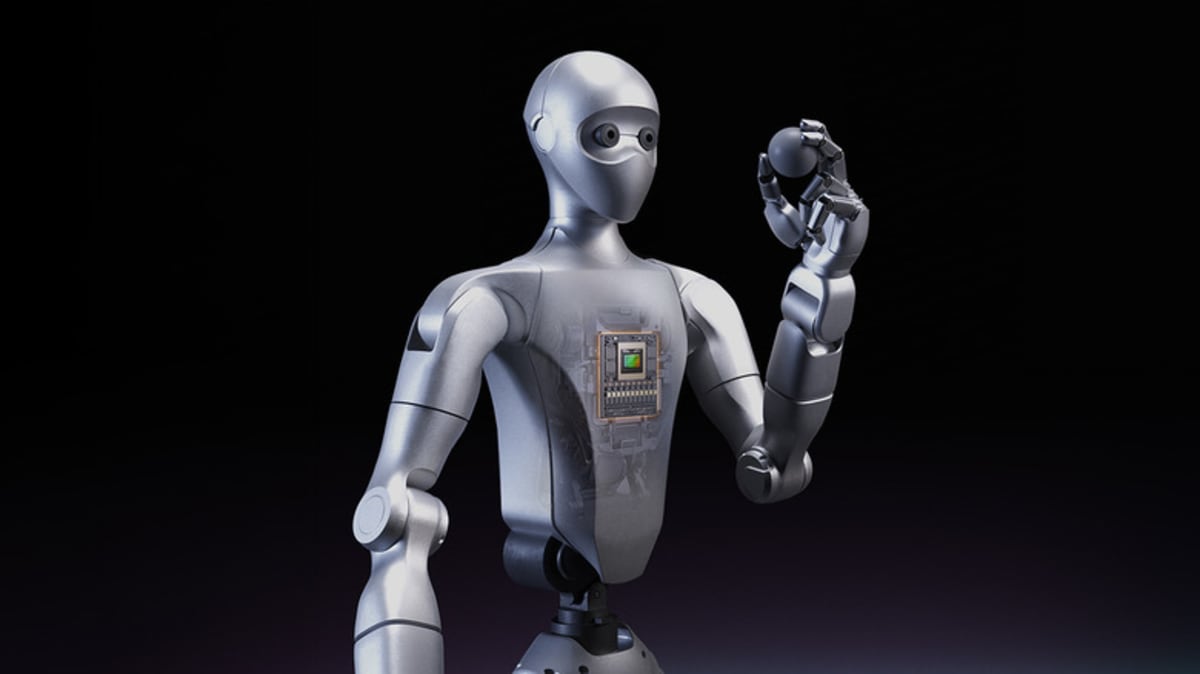
NVIDIA announced its Isaac Gr00t platform at Computex, combining hardware and software into one open development system for researchers. The platform pairs a nearly six-foot tall Unitree humanoid robot with advanced five-fingered hands and powerful onboard AI processing.
The setup includes impressive capabilities. The robot weighs 150 pounds with 31 degrees of freedom, meaning it can move its joints in complex, human-like ways. The tactile hands feature 22 degrees of freedom and can grip with up to 88 foot-pounds of torque, strong enough for meaningful physical tasks.
The system runs on NVIDIA's Jetson Thor processor with 128GB of memory and a three-hour battery life. Head-mounted stereo cameras and wrist sensors help the robot see and sense its environment like humans do.
Stanford Robotics Center, ETH Zurich, UC San Diego, and the Allen Institute for AI have already signed on to use the platform. Previously, many researchers struggled with limited access to advanced robotic hardware or had to build custom systems from scratch, slowing progress significantly.
The Ripple Effect
Opening this technology to universities creates a multiplier effect for innovation. When researchers share code and test ideas on the same hardware platform, breakthroughs in one lab can quickly spread to others. A student in California might solve a balance problem that helps a team in Switzerland teach robots to navigate stairs.
Executive Director Steve Cousins from Stanford Robotics Center highlighted this advantage, noting that robotics advances fastest when researchers build on open platforms rather than working in isolation. This collaborative approach mirrors how open-source software revolutionized computer programming decades ago.
The timing matters too. As AI capabilities grow rapidly, giving more minds access to test these systems in physical robot bodies could accelerate practical applications. These might include robots that help elderly people live independently, assist in disaster recovery, or work alongside humans in manufacturing.
NVIDIA is betting that democratizing access to frontier robotics technology will create a wave of innovation that benefits everyone, not just tech giants with billion-dollar labs.
More Images



Based on reporting by Engadget
This story was written by BrightWire based on verified news reports.
Spread the positivity!
Share this good news with someone who needs it