Oman Launches First Hydrogen Bus and Ultra-Fast EV Chargers
Oman is rolling out its first hydrogen-powered city bus and building ultra-fast EV charging stations as part of its ambitious Vision 2040 sustainability plan. Hyundai Motor Group is partnering with the Gulf nation to turn clean transportation dreams into reality.
📺 Watch the full story above
Muscat's streets are about to get a whole lot greener, and it's not just another corporate promise.
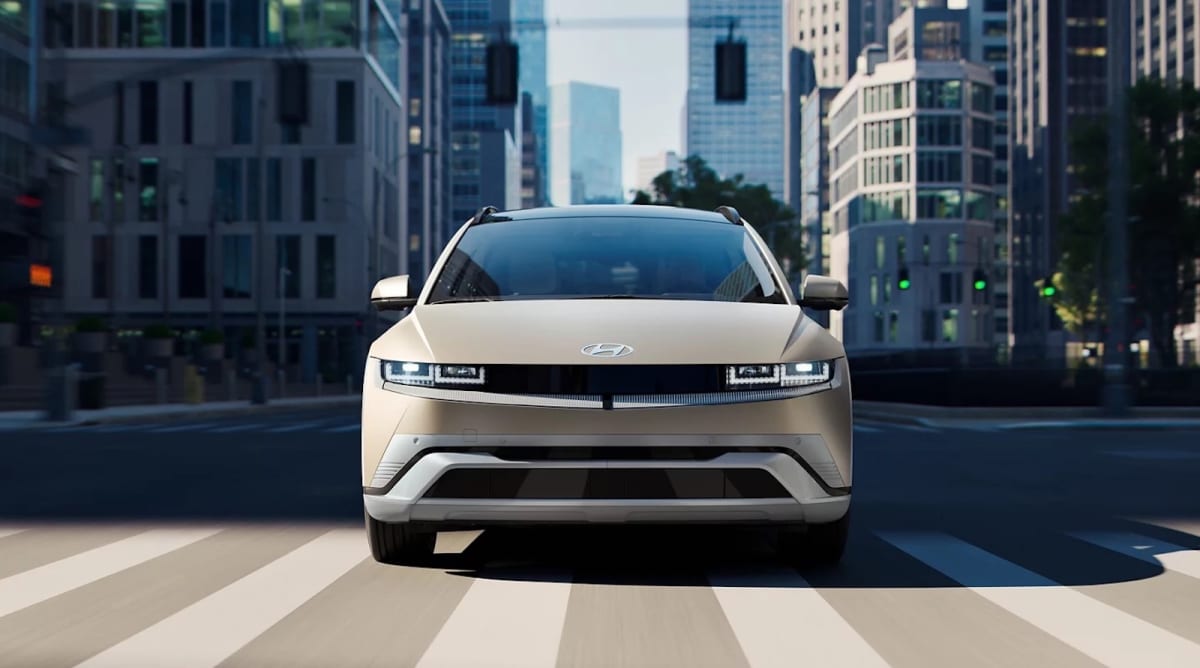
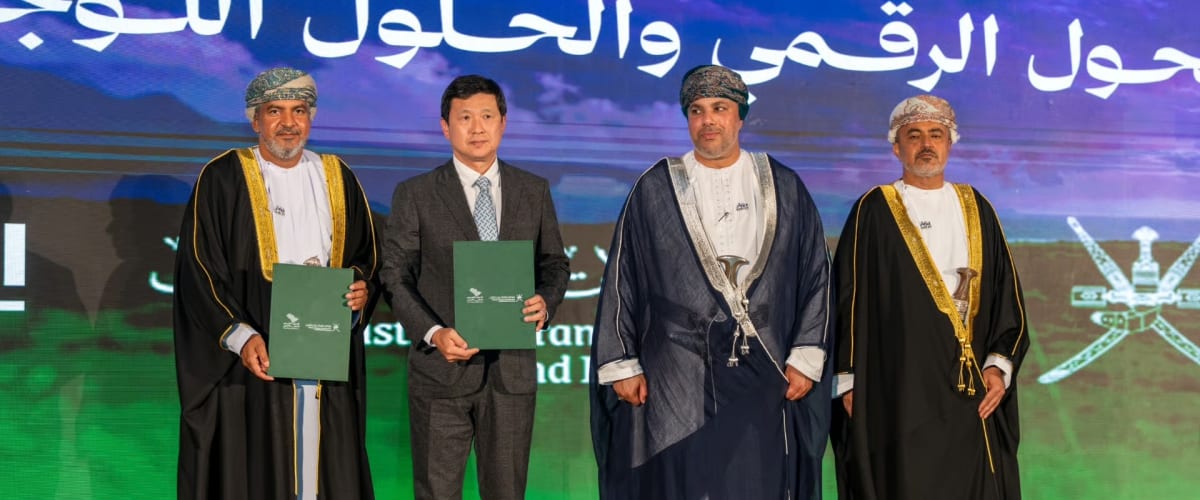
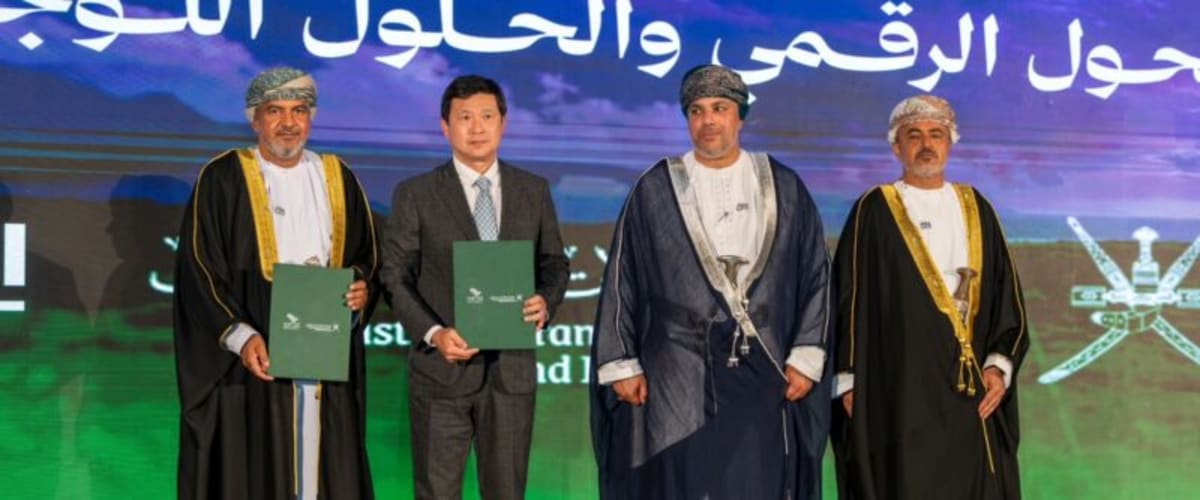
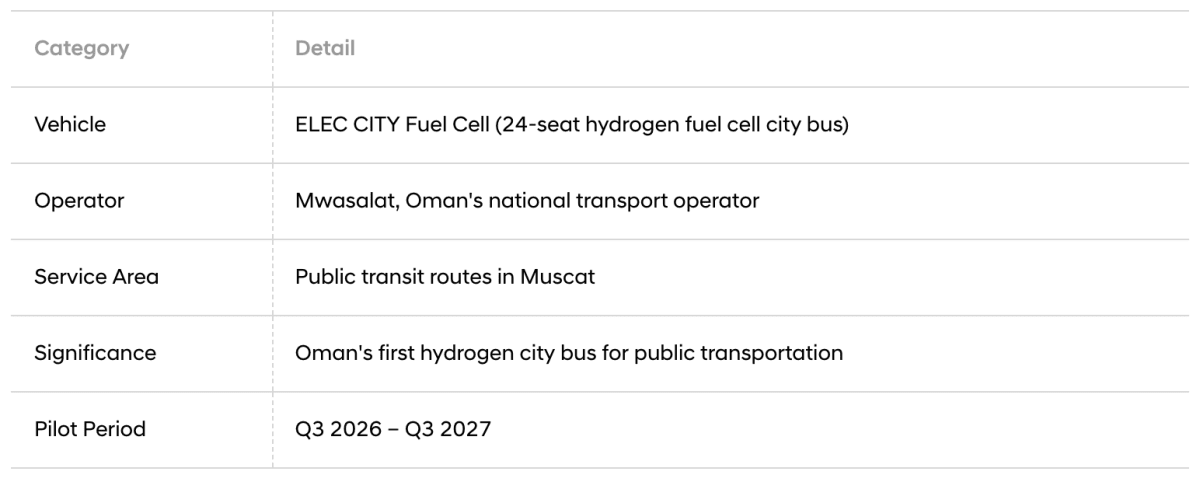
Hyundai Motor Group just signed a historic partnership with Oman's government to launch the country's first hydrogen city bus and install 240-kilowatt ultra-fast EV chargers near the capital. These aren't test projects gathering dust in a parking lot. The hydrogen bus will carry actual passengers on Muscat's public transit routes starting in late 2026.
The 24-seat ELEC CITY Fuel Cell bus will run for a full year as part of Oman's national transport system. Mwasalat, the country's public transportation operator, will track everything from reliability to environmental performance compared to traditional diesel buses.
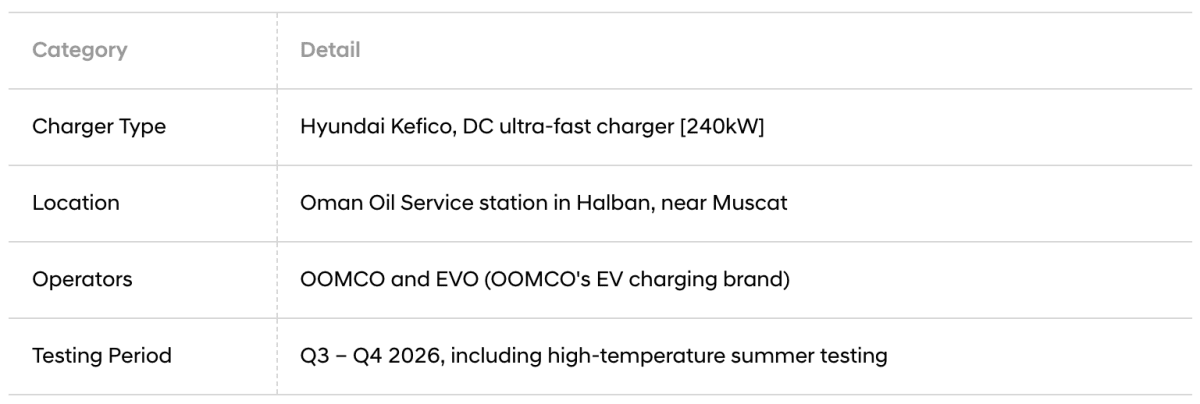
Meanwhile, OOMCO and EV charging brand EVO are teaming up with Hyundai to build their first ultra-fast charger at a service station in Halban, just outside Muscat. The 240-kilowatt DC charger can power up electric vehicles at speeds that make long-distance travel actually practical.
This partnership fits into Oman's Vision 2040, a national plan to build smart, sustainable cities while reaching carbon neutrality. The government is developing flagship projects like Sultan Haitham City with clean mobility built in from the ground up.
What makes this different from typical pilot programs is the commitment to scale up based on results. Both the hydrogen bus service and EV charging network will be evaluated against specific performance targets. If they hit their marks, Oman plans to expand these services nationwide.
The Ripple Effect
Oman's green mobility push could reshape transportation across the entire Gulf region. When a major oil-producing nation invests seriously in hydrogen buses and EV infrastructure, it sends a powerful signal that the energy transition is real and economically viable.
Other Gulf states are watching closely. Success in Oman could accelerate similar programs in Saudi Arabia, the UAE, and Kuwait, creating a network of clean transportation corridors across one of the world's hottest and most car-dependent regions.
The partnership also proves that hydrogen fuel cells can work in extreme desert climates, addressing doubts about the technology's real-world durability. If these buses can handle Muscat's heat and terrain while moving actual passengers daily, the technology becomes credible for cities worldwide facing similar conditions.
Small desert nation shows big oil producers that the future runs clean.
More Images
Based on reporting by CleanTechnica
This story was written by BrightWire based on verified news reports.
Spread the positivity!
Share this good news with someone who needs it