Oxford Economist's $100M Plan Could Prevent Next Crash
A physicist-turned-economist who once beat Vegas is building a computer model of 30,000 energy companies to revolutionize how we predict economic disasters and speed up the green transition. His track record suggests we should pay attention.
📺 Watch the full story above
What if we could see the next financial crash coming years in advance and save trillions of dollars in the process?
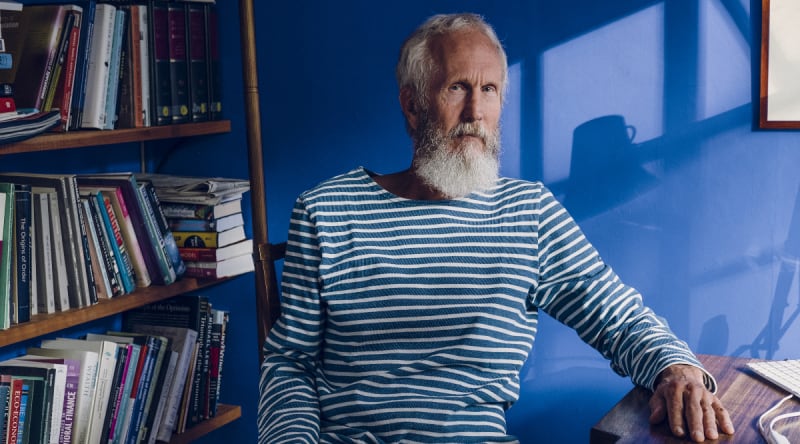
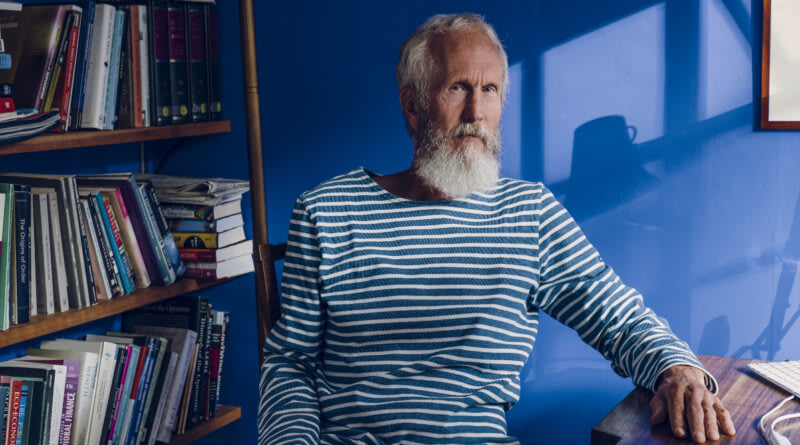
Oxford Professor Doyne Farmer isn't your typical economist. In the 1970s, he beat casinos at roulette using the first wearable computer. Twenty years later, his automated trading company was so successful that banking giant UBS bought it.
Now he's tackling something bigger: fixing how we predict the future of our economy and climate. His ambitious plan would create a digital model of every major business on Earth, tracking real decisions made by real companies instead of relying on outdated theories about how people "should" behave.
Traditional economic models assume everyone makes perfect, rational choices with complete information. Anyone who's ever made an impulse purchase knows that's not realistic. These oversimplified models have consistently failed us, predicting that renewable energy would roll out slowly and stay expensive when the opposite happened.
Farmer's approach is different. His team is starting with the entire global energy sector, modeling all 30,000 companies and their 160,000 power stations, oil rigs, and other assets. Each company becomes a digital agent in the system, making decisions based on how real businesses actually operate, using 25 years of historical data.
The potential payoff is staggering. The 2008 financial crash cost the world about $10 trillion. Farmer believes his proposed system, which would cost just $100 million to build, could have spotted that disaster coming in 2006. If it had prevented even one percent of those losses, it would have paid for itself a thousand times over.
"We want to do for economic planning what Google Maps did for traffic planning," Farmer told The Guardian. Just as navigation apps now predict congestion by tracking millions of real drivers, his economic model would track millions of real business decisions to forecast where the economy is headed.
The climate implications matter even more. A 2022 study by Farmer and his colleagues found that a rapid transition to clean energy could save the world trillions of dollars, contradicting pessimistic economic forecasts that have slowed climate action. His new model should reveal even clearer pathways to a green energy future.
The Bright Side
The computing power needed to do what Farmer proposes didn't exist when Adam Smith wrote about the invisible hand in 1776. It barely existed a decade ago. But today's technology finally lets us move beyond guesswork and outdated assumptions to see the real patterns in how our economy works.
We're not talking about a crystal ball, but rather a GPS for the global economy. And just like GPS transformed how we navigate roads, better economic models could transform how we navigate the energy transition and prevent the next financial catastrophe.
For $100 million, that's a bargain worth considering.
More Images


Based on reporting by CleanTechnica
This story was written by BrightWire based on verified news reports.
Spread the positivity!
Share this good news with someone who needs it