Philippines' First Electric Ferry Carries 40 Daily Riders
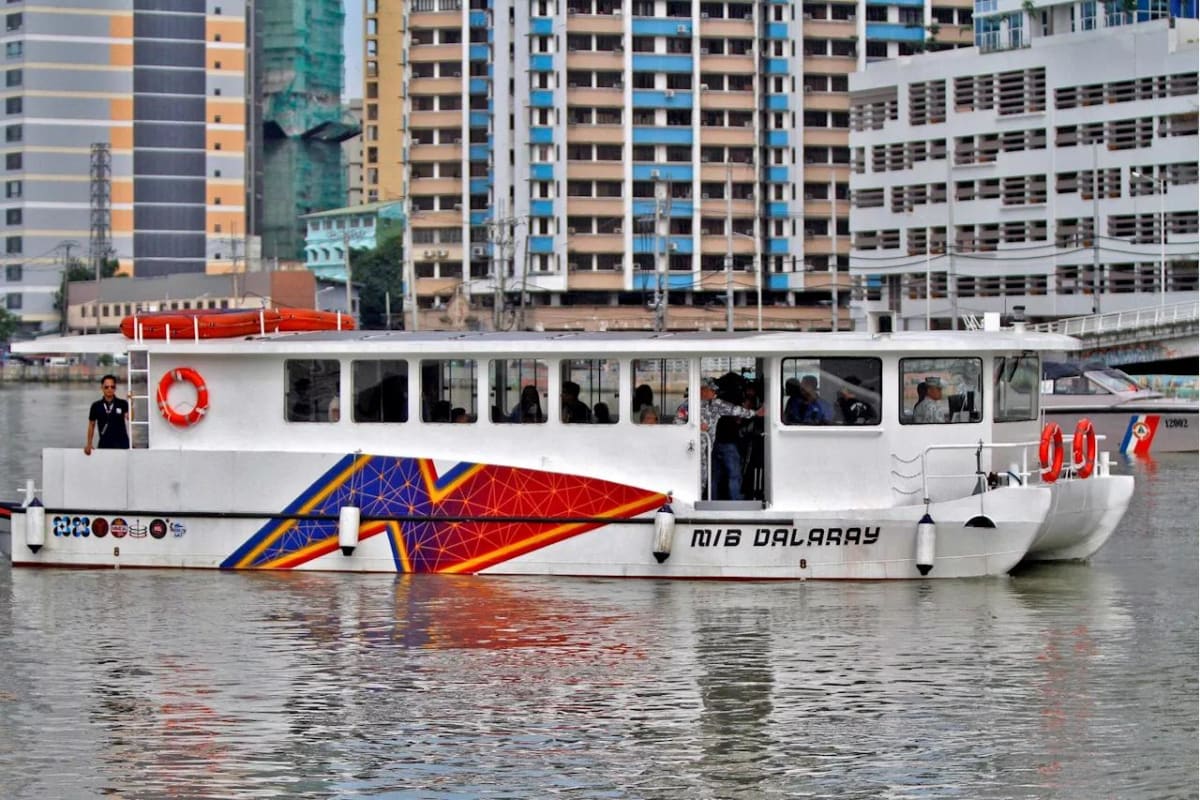
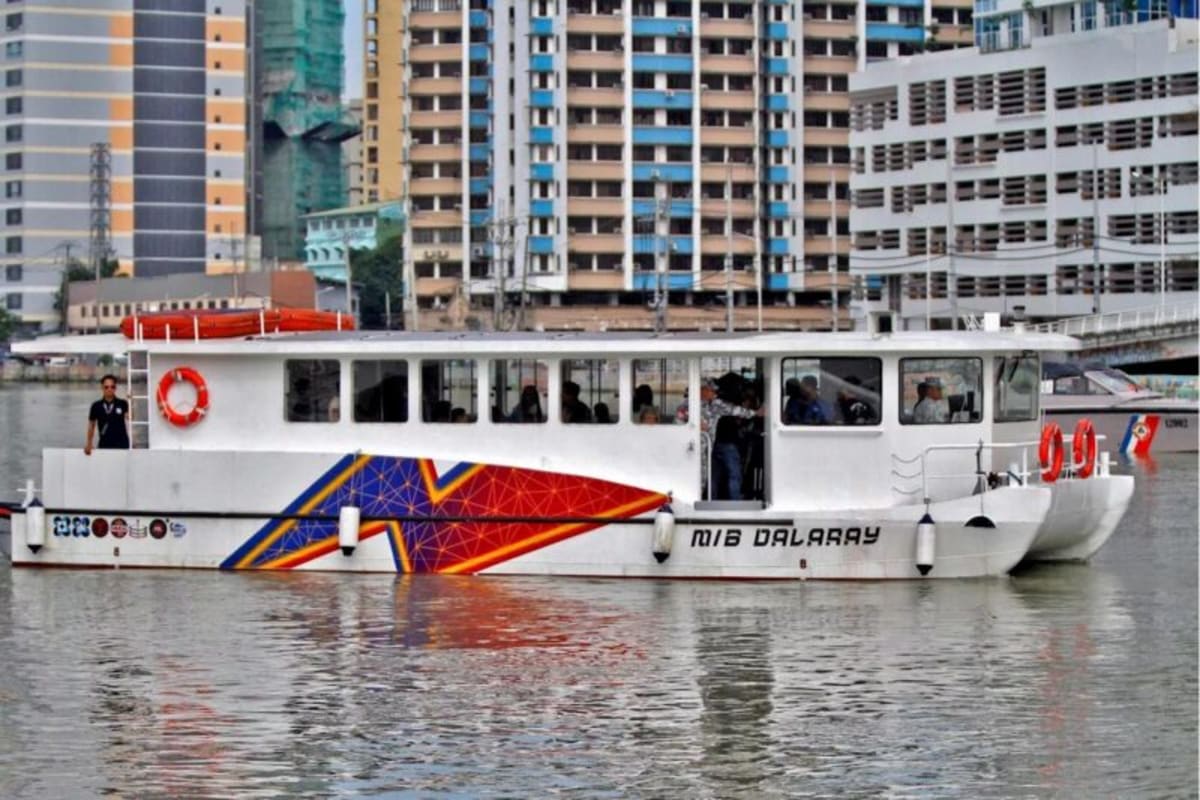
A homegrown electric ferry designed by Filipino engineers is now shuttling passengers across Manila's Pasig River, cutting fuel costs by 65% while offering a quiet, clean alternative to gridlocked roads. The M/B Dalaray proves island nations can build their own sustainable transport solutions.
📺 Watch the full story above
The Philippines just launched something no other Southeast Asian country has: a fully electric passenger ferry designed and built entirely within its borders.
The M/B Dalaray now glides across the Pasig River in Manila six days a week, carrying up to 40 passengers between downtown stations. University of the Philippines engineers created the 43-foot catamaran specifically for the country's crowded waterways, where diesel fumes and engine noise have long been part of river life.
The numbers tell a compelling story. Operating the electric ferry costs about 80 cents per mile compared to $2.25 for diesel boats. That's just energy costs, but for a vessel making the same trip multiple times daily, the savings add up fast.
The ferry runs on a 160-kilowatt-hour battery that charges in two to three hours at riverside stations. Solar panels on the roof power the lights and air conditioning, keeping the battery focused on moving people. At 8 knots, it can travel 28 miles before needing a recharge, plenty for its urban route.
What makes this story remarkable isn't just the technology. It's that Filipino engineers proved their country could build it themselves rather than importing finished boats from overseas manufacturers.
The project started in 2024 when the government challenged university researchers to develop an electric ferry for inland waterways. They partnered with maritime authorities and had the vessel fabricated at a Manila shipyard. By March 2026, it entered regular passenger service.
The Ripple Effect
Manila's roads are famously congested, and the Pasig River cuts right through the densest parts of the capital region. Every person who takes the ferry is one less vehicle adding to traffic jams.
But the implications reach beyond daily commutes. Philippine officials see the river as a potential lifeline during disasters. When a major earthquake hits and roads buckle, electric ferries could become emergency transportation corridors connecting isolated neighborhoods.
The archipelago nation has over 7,000 islands where boats matter more than roads. If the Dalaray model works economically, the design could spread to island routes, tourism destinations, and coastal communities across the country.
The real test happens now. Government researchers are tracking daily electricity use, maintenance needs, and battery performance after repeated charging cycles. Those unglamorous details will determine whether the Philippines can manufacture affordable electric ferries at scale.
For now, passengers boarding at Guadalupe station experience something new: a river crossing without diesel fumes or engine roar, powered by a boat their countrymen designed and built.
More Images

Based on reporting by CleanTechnica
This story was written by BrightWire based on verified news reports.
Spread the positivity!
Share this good news with someone who needs it