Philippines Solar Boom: 370MW of Rooftop Systems Installed
Filipino households are installing solar panels so fast that a third of systems in Manila now operate outside the official grid, signaling massive demand for clean energy. The challenge now is making safe solar simpler and faster to connect.
📺 Watch the full story above
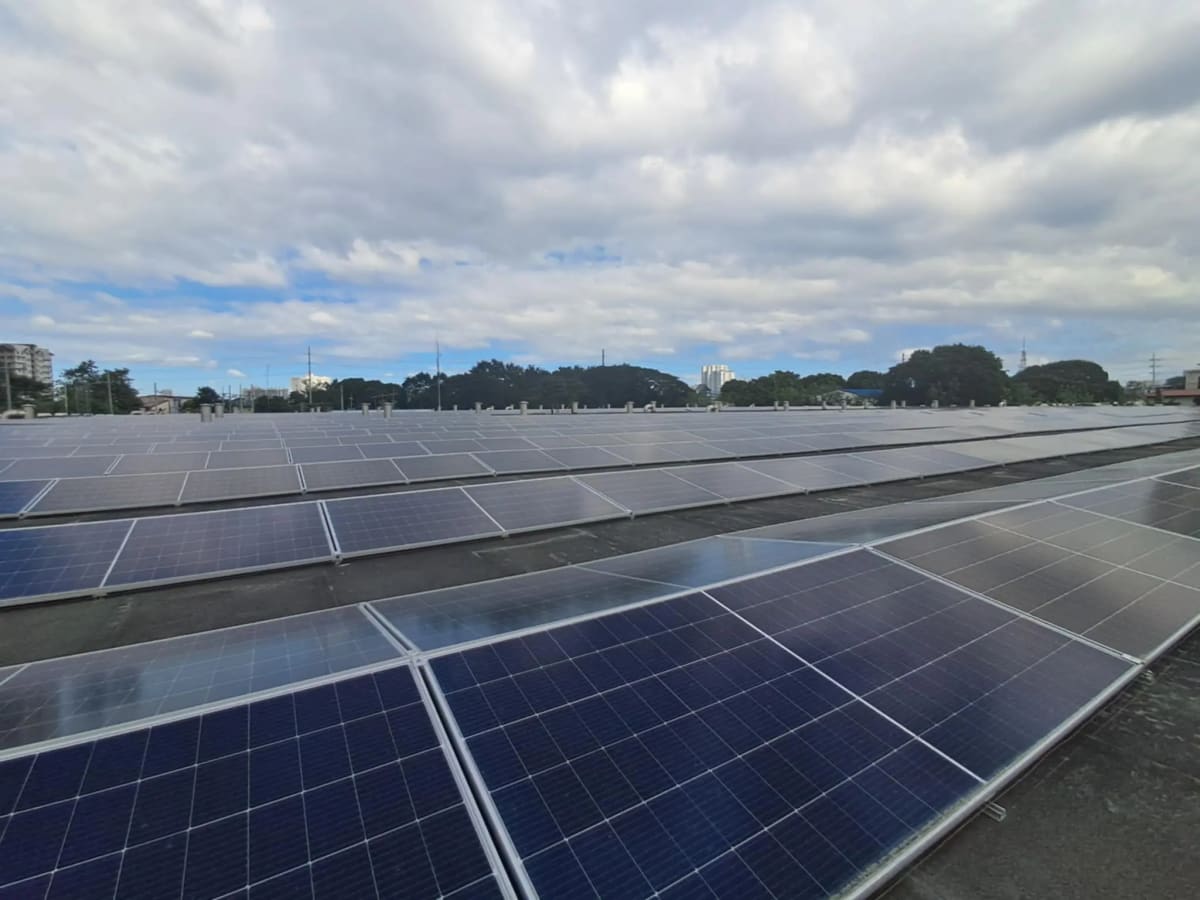
Filipinos are embracing rooftop solar at such a staggering pace that the national grid can barely keep track of it all.
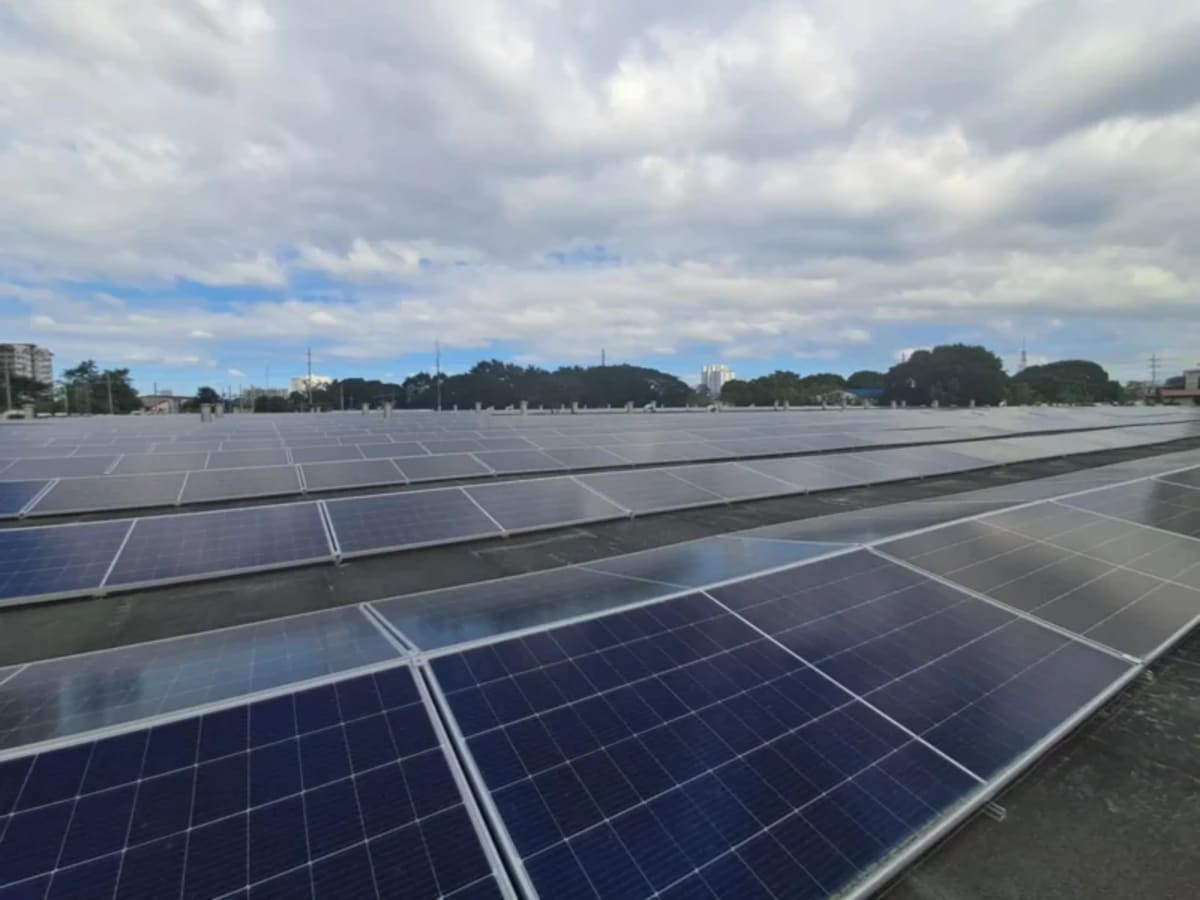
Manila Electric Company (Meralco), which serves over seven million customers in Metro Manila, estimates that 370 megawatts of commercial solar capacity alone now operates without formal registration. That's more than double the 170 megawatts officially registered across all customer types, showing just how hungry people are for clean energy solutions.
The boom makes perfect sense when you look at the numbers. Electricity in the Philippines costs up to $0.22 per kilowatt-hour, among the highest rates in Southeast Asia, making solar panels an obvious money saver for families and businesses.
What's happening isn't some shady operation using makeshift equipment. Most of these "guerrilla solar" installations use quality solar panels and standard inverters. The problem is they're connecting to the grid without proper approvals because the official permitting process takes too long and costs too much.
A formal residential solar system can cost between $3,600 and $6,300, with much of that expense coming from compliance requirements and engineering studies. Installers who skip these steps can offer the same systems for significantly less, creating an irresistible offer for consumers facing rising energy costs.
The challenge isn't the enthusiasm for solar. It's that the infrastructure and regulations haven't caught up with public demand.
Meralco is now working with the Philippine government to streamline net metering rules and create clearer safety standards. Their focus is ensuring inverters automatically disconnect during power outages to protect utility workers, and establishing certification programs for installers.
The Ripple Effect
This solar surge represents something remarkable: Filipinos are voting with their wallets for clean energy, even when bureaucracy makes it difficult. The satellite data showing one-third of solar rooftops operating informally isn't a sign of lawlessness but of a policy framework that can't keep pace with progress.
The good news is that lawmakers are listening. Recent Senate hearings focused on amendments to the Renewable Energy Act specifically to make legitimate solar installation faster and more affordable. The goal is to channel this incredible grassroots energy adoption into safe, grid-friendly systems.
Other developing nations facing similar electricity costs are watching closely. If the Philippines can create a streamlined approval process that maintains safety while reducing costs and wait times, it could become a model for making clean energy accessible across Southeast Asia.
The message from Filipino rooftops is clear: people want solar power, and they want it now.
More Images
Based on reporting by CleanTechnica
This story was written by BrightWire based on verified news reports.
Spread the positivity!
Share this good news with someone who needs it